


The savory aroma of tender beef wafting through your home can instantly transform a humdrum evening into a cozy culinary adventure. In this recipe for Slow-Cooker Korean Beef with Gochujang Sauce, I’ll share how easy it is to whip up a delightful one-pot meal that takes just minutes to prepare. Imagine succulent beef, perfectly marinated in a luscious blend of garlic, ginger, and that irresistible kick of gochujang—every bite is a testament to comfort food at its finest. Not only is this dish a true crowd-pleaser, but it’s also a game-changer for busy weeknights, allowing you to spend more time enjoying your meal and less time in the kitchen. Are you ready to dive into the world of rich flavors and uncomplicated prep? Let’s get cooking!
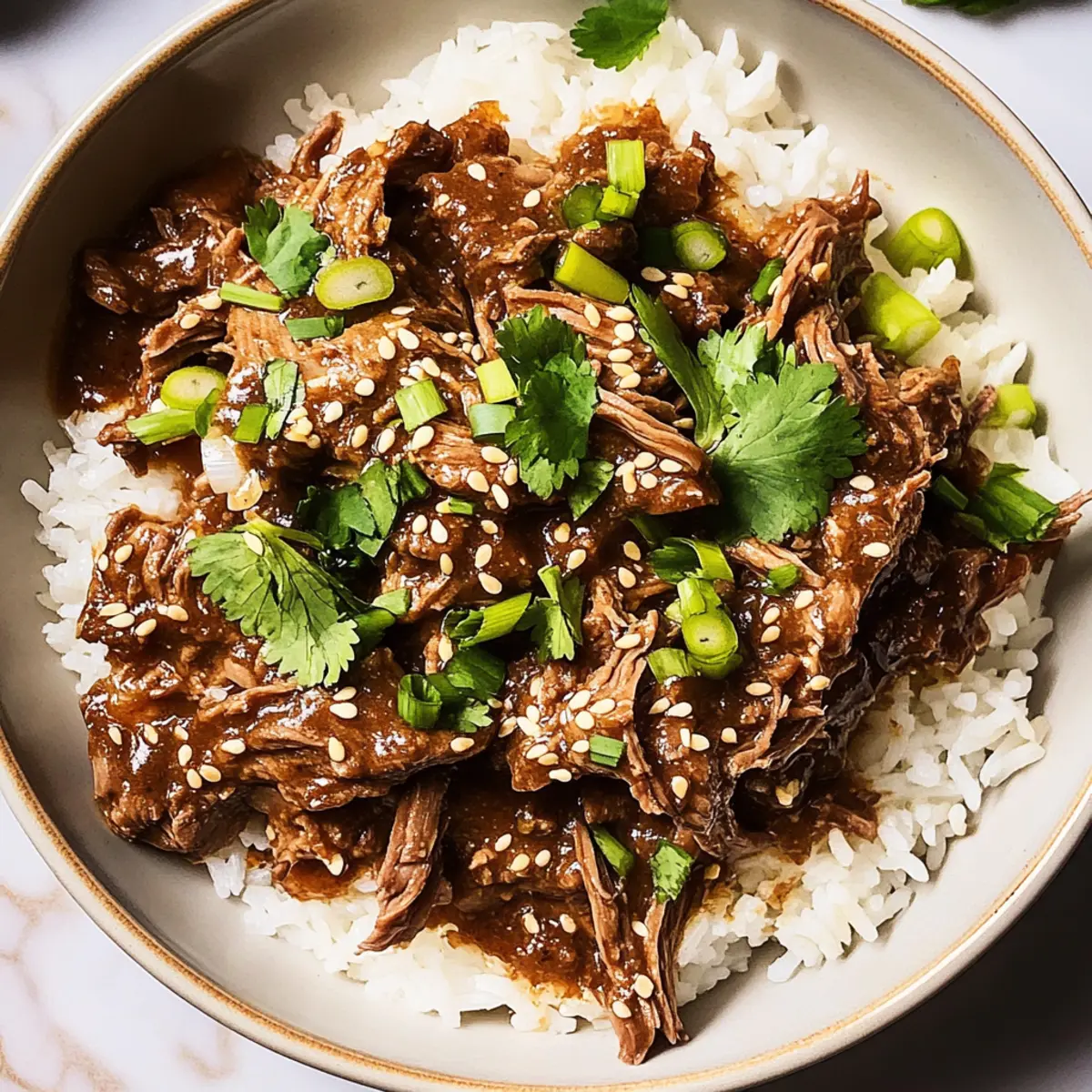
Why Is This Recipe a Must-Try?
Ease of Preparation: Simply toss the ingredients in your slow cooker and let it do all the work—perfect for those busy evenings!
Rich, Flavorful Sauce: The combination of gochujang, ginger, and garlic creates a unique, mouthwatering sauce that elevates the dish.
Versatile Servings: Serve this delightful Korean beef over rice, in tacos, or as a sandwich filler for endless meal options!
Crowd-Pleasing Comfort Food: With its tender beef and bold flavors, it’s guaranteed to impress family and friends at your next gathering.
Make-Ahead Convenience: Enjoy the freedom of preparing this dish ahead of time; leftovers can be reheated easily for an instant meal!
With effortless preparation and delightful versatility, you’ll likely find yourself returning to this recipe time and again. For more budget-friendly meals, check out my post on affordable one-pot recipes.
Slow-Cooker Korean Beef Ingredients
• The perfect blend of flavors awaits you!
For the Sauce
- Ginger – Fresh ginger provides a warm, zesty flavor and should be minced for the best taste.
- Garlic – Use freshly chopped garlic to add depth and aromatic quality to your sauce.
- Low-Sodium Beef Broth – Serves as the base for the sauce, adding necessary moisture—feel free to substitute with vegetable broth for a lighter option.
- Light Brown Sugar – Introduces a touch of sweetness; consider reducing to ¼ cup if you prefer a less sweet sauce.
- Reduced-Sodium Soy Sauce – This ingredient brings umami flavor; tamari can be used for a gluten-free alternative.
- Gochujang – An essential Korean chili paste that offers heat and richness; while optional Sriracha may be substituted, it can compromise authenticity.
- Toasted Sesame Oil – Provides a distinct nuttiness; this ingredient is crucial and should not be omitted.
- Unseasoned Rice Vinegar – Balances the flavors within the sauce; apple cider vinegar can work as an effective substitute.
- Cornstarch – Optional thickener for your sauce if you desire a thicker consistency.
For the Beef
- Beef Shoulder – The main protein, which should be diced for even cooking; make sure to trim excess fat for optimal results.
For Serving
- Cooked White Rice – The ideal base for your savory Korean beef; you can replace this with cauliflower rice or quinoa for a low-carb option.
- Chopped Scallions – These add a touch of freshness and visual appeal to your dish.
- Fresh Cilantro – Offers a burst of color and a refreshing flavor boost.
- Toasted Sesame Seeds – Sprinkle these on top for that perfect finishing touch and added texture.
With these delightful ingredients for your Slow-Cooker Korean Beef, you’ll be well on your way to a comforting meal that’s sure to impress!
Step‑by‑Step Instructions for Slow-Cooker Korean Beef with Gochujang Sauce
Step 1: Prep the Beef
Start by trimming any excess fat from the beef shoulder and cutting it into 1.5-inch pieces to ensure even cooking. This initial preparation will help the beef absorb the rich flavors of the sauce later on. Set the beef aside as you move on to mixing the delicious sauce.
Step 2: Mix the Sauce
In a large mixing bowl, combine minced ginger, freshly chopped garlic, low-sodium beef broth, light brown sugar, reduced-sodium soy sauce, gochujang, toasted sesame oil, unseasoned rice vinegar, and cornstarch. Stir the ingredients until they are well blended, creating a savory sauce that promises to envelop the beef in mouthwatering flavor during the slow cooking.
Step 3: Combine Beef and Sauce
Place the prepared beef pieces in the slow cooker, making sure they are in an even layer. Pour the sauce mixture over the beef, ensuring each piece is thoroughly coated. This step is crucial for achieving that deep flavor profile in your Slow-Cooker Korean Beef as it cooks slowly, allowing the sauce to seep into the meat.
Step 4: Cook to Perfection
Cover the slow cooker and cook the beef on low for 5-6 hours or on high for 3-4 hours. The beef is done when it’s tender and can be easily shredded with a fork. During this time, enjoy the enticing aroma filling your kitchen, a true testament to the flavors developing within the pot.
Step 5: Shred the Beef
Once the cooking time is complete, remove the lid and carefully shred the beef directly in the slow cooker using two forks. Mix well, allowing the beef to soak up any remaining sauce. Taste and adjust the seasoning if necessary, ensuring the flavors are just right for your palate.
Step 6: Serve and Garnish
Spoon the tender, shredded Slow-Cooker Korean Beef over a bed of fluffy cooked white rice. For an added touch of freshness, garnish each serving with chopped scallions, fresh cilantro, and a sprinkle of toasted sesame seeds. This final presentation not only enhances the dish visually but also adds delightful flavor notes.
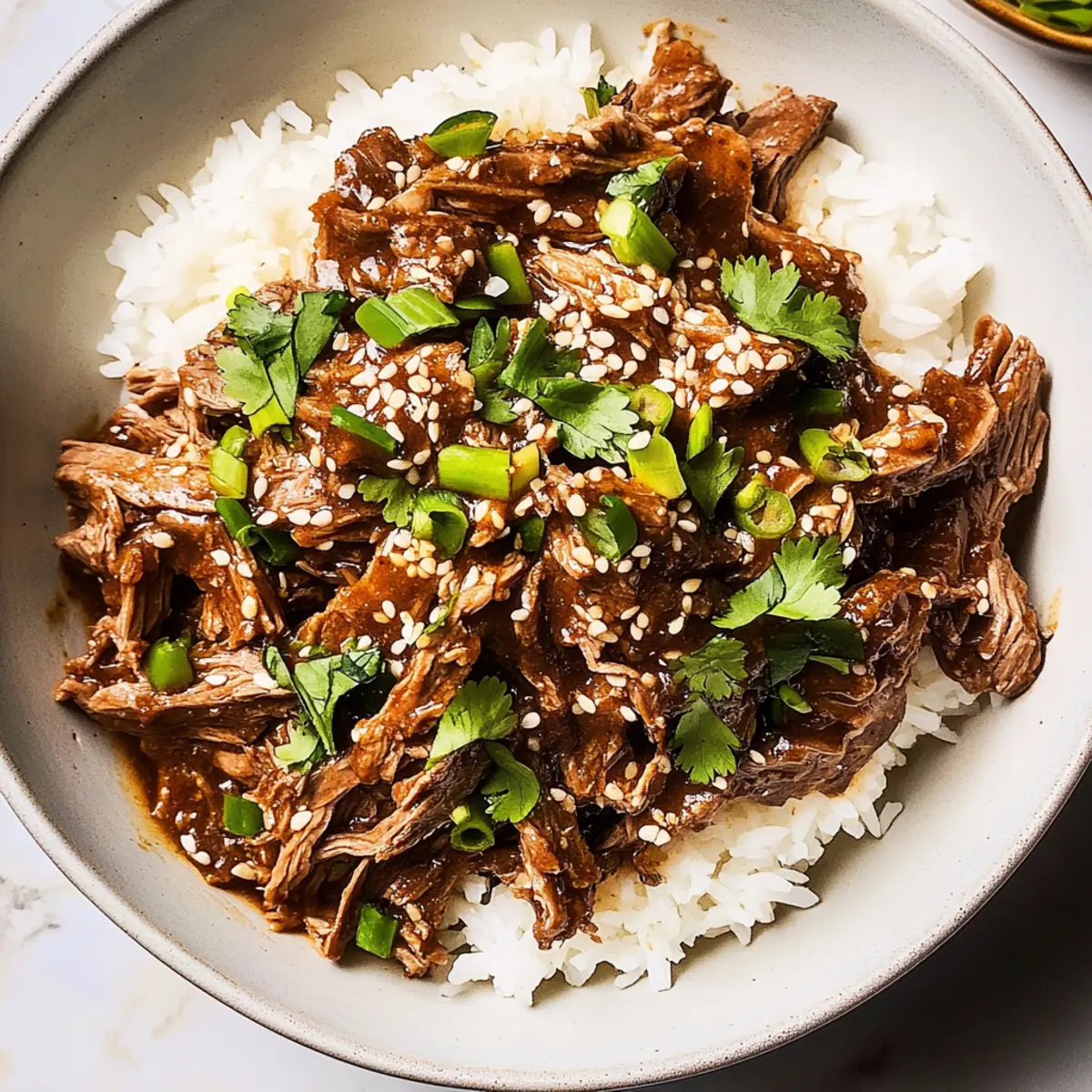
Storage Tips for Slow-Cooker Korean Beef
-
Fridge: Store leftovers in an airtight container for up to 3 days. Allow the beef to cool before sealing to maintain quality.
-
Freezer: For longer storage, freeze the Slow-Cooker Korean Beef in a well-sealed freezer bag for up to 3 months. Make sure to remove excess air to prevent freezer burn.
-
Reheating: When ready to enjoy, thaw in the refrigerator overnight, then reheat gently on the stove or in the microwave until heated through.
-
Serving Suggestions: Pair the reheated beef over fresh rice or tuck into tortillas for quick and satisfying meals!
Make Ahead Options
These Slow-Cooker Korean Beef bites are perfect for meal prep enthusiasts looking to save time during busy weeknights! You can chop the beef and mix the sauce up to 24 hours in advance, storing them separately in the refrigerator to maintain taste and freshness. When you’re ready to cook, simply combine the marinated beef with the sauce in your slow cooker and follow the recipe instructions as usual. For best results, store any leftovers in an airtight container; they can be kept in the refrigerator for up to 3 days or frozen for up to 3 months. Reheat gently before serving for just as delicious results, allowing you to enjoy this comforting dish without the last-minute stress!
What to Serve with Slow-Cooker Korean Beef?
Imagine transforming a simple meal into a vibrant feast that tantalizes the taste buds and delights the senses.
-
Steamed Broccoli: The crunchy texture and slight bitterness of broccoli perfectly balance the rich, savory flavors of the Korean beef.
-
Kimchi: This classic Korean side offers a spicy and tangy contrast, adding depth and authenticity to your meal.
-
Garlic Rice: Infused with fragrant garlic, this flavorful rice serves as a wonderful base, soaking up the luscious sauce from the beef.
-
Asian Cabbage Slaw: Crisp, fresh slaw adds a refreshing crunch, making it a delightful palate cleanser alongside the hearty beef.
-
Sesame Green Beans: Lightly sautéed and sprinkled with sesame seeds, these green beans provide a nutty flavor that complements the dish beautifully.
-
Cucumber Pickles: Quick-pickled cucumbers add a bright, tangy bite that cuts through the richness, enhancing every bite of your Slow-Cooker Korean Beef.
-
Slightly Sweet Red Wine: A light to medium-bodied red wine will elevate your dining experience, pairing wonderfully with the bold flavors of the dish.
-
Mango Sticky Rice: For dessert, this sweet and creamy treat wraps up the meal perfectly, contrasting with the savory richness of the beef.
Slow-Cooker Korean Beef Variations
Feel free to explore these delightful variations that will elevate your Slow-Cooker Korean Beef to new culinary heights!
-
Vegetarian Twist: Use jackfruit or tofu instead of beef; adjust cooking times to ensure tenderness.
-
Low-Carb Option: Swap cooked white rice for cauliflower rice or quinoa, perfect for a lighter meal.
-
Extra Veggies: Add bell peppers or broccoli during the last hour of cooking for added nutrition and color.
-
Spicy Kick: Increase the amount of gochujang or add chopped fresh chilies for an extra heat level.
-
Savory Additions: Incorporate sliced mushrooms or shredded carrots in the sauce for additional texture and flavor.
-
Sweet Balance: Experiment with replacing brown sugar with honey or maple syrup for a different sweetness profile.
-
Umami Boost: Stir in a spoonful of miso paste into the sauce for an added depth of flavor.
-
Herb-Infusion: Add fresh herbs like basil or mint right before serving for a refreshing twist and bright aroma.
Versatile meals like this can be tailored to everyone’s taste. For those who appreciate simplicity, consider trying more delicious one-pot options like my favorite chicken curry recipe or explore the wonders of quick dinner ideas to make every meal a family gathering!
Expert Tips for Slow-Cooker Korean Beef
-
Marinate for Flavor: Let the beef marinate in the sauce for at least an hour before cooking to intensify the taste and tenderness.
-
Watch the Cook Time: Overcooking can dry out the meat; ensure the beef is tender and shreds easily to achieve the best Slow-Cooker Korean Beef.
-
Sweetness Control: Feel free to adjust the amount of brown sugar based on your flavor preference; less sugar can yield a more balanced taste.
-
Fresh Herb Boost: Add a layer of fresh herbs just before serving for a pop of color and flavorful aroma that elevates your dish.
-
Substitutions Allowed: For a different twist, try using a chuck roast instead of beef shoulder or tofu for a vegetarian version while maintaining the same cooking method.
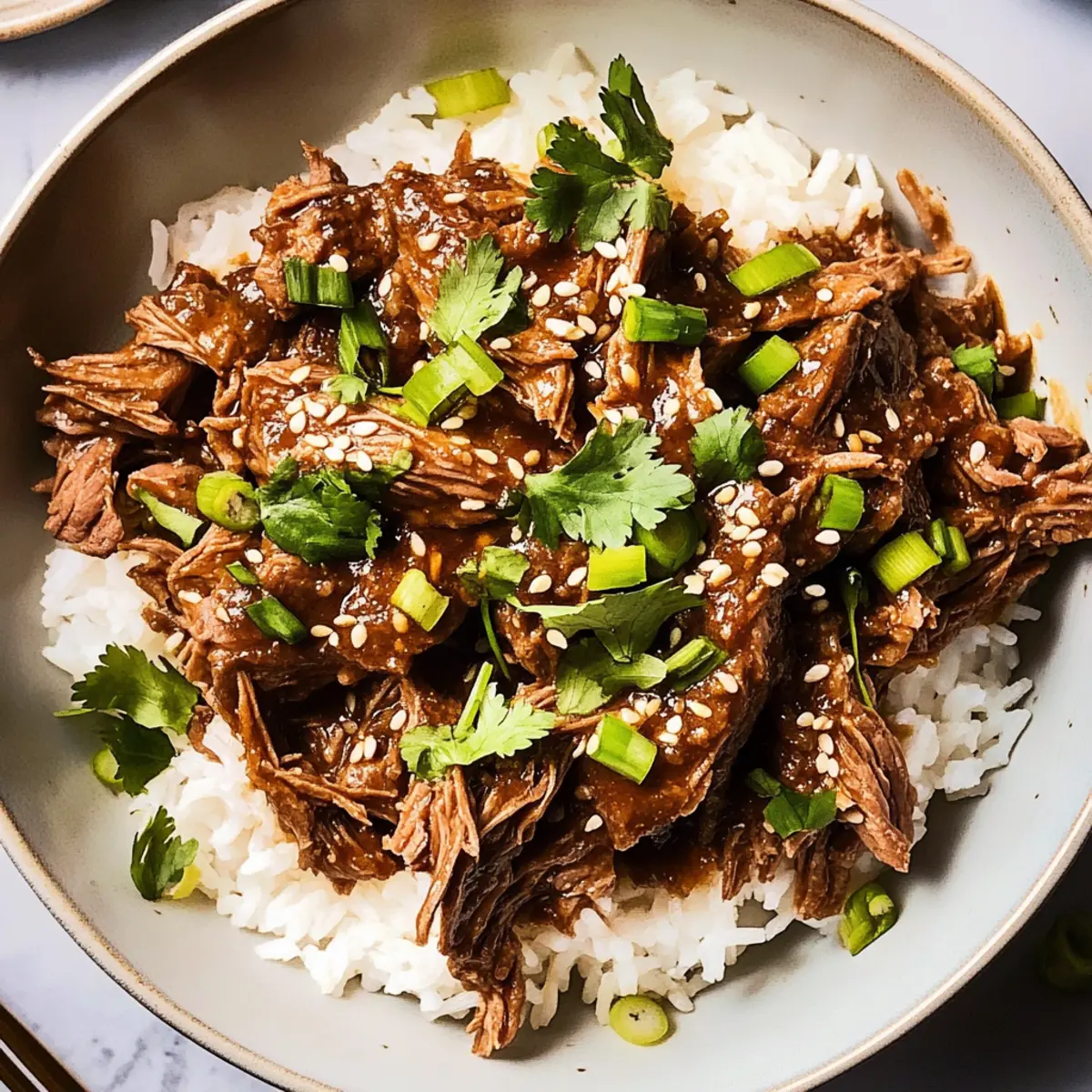
Slow-Cooker Korean Beef Recipe FAQs
What kind of beef should I use for this recipe?
Absolutely! For this Slow-Cooker Korean Beef, I recommend using beef shoulder for its tenderness and flavor. You can also opt for chuck roast if that’s what you have on hand — both cuts work wonderfully in a slow cooker.
How do I ensure the beef is tender and easy to shred?
The key to tender beef is allowing it to cook long enough in the slow cooker. Cook on low for 5-6 hours or on high for 3-4 hours. You’ll know it’s done when it can be easily shredded with a fork. Also, monitoring the cook time closely will help prevent overcooking!
Can I freeze the leftovers?
Very much! After it cools, you can freeze any leftover Slow-Cooker Korean Beef in a well-sealed freezer bag for up to 3 months. Just remember to remove as much excess air as possible to prevent freezer burn. When you’re ready to enjoy, thaw it in the refrigerator overnight and reheat gently.
How should I store the leftovers?
Store your leftover Korean Beef in an airtight container in the refrigerator for up to 3 days. Make sure to let the beef cool before sealing the container to maintain its quality. When reheating, add a splash of broth to keep the sauce moist!
What if I have dietary restrictions regarding gluten?
No problem at all! You can easily make this recipe gluten-free by substituting reduced-sodium soy sauce with tamari, which is a fantastic alternative. For vegetarians, feel free to replace the beef with jackfruit or tofu, adjusting the cooking time as needed.
How can I tell if my ingredients (like ginger or garlic) are ripe or fresh?
Generally, fresh ginger should be firm, smooth, and free of dark spots, while garlic should be plump and have a papery skin with no sprouting. When selecting these ingredients, look for vibrancy and a strong aroma, ensuring the best flavors for your Slow-Cooker Korean Beef!
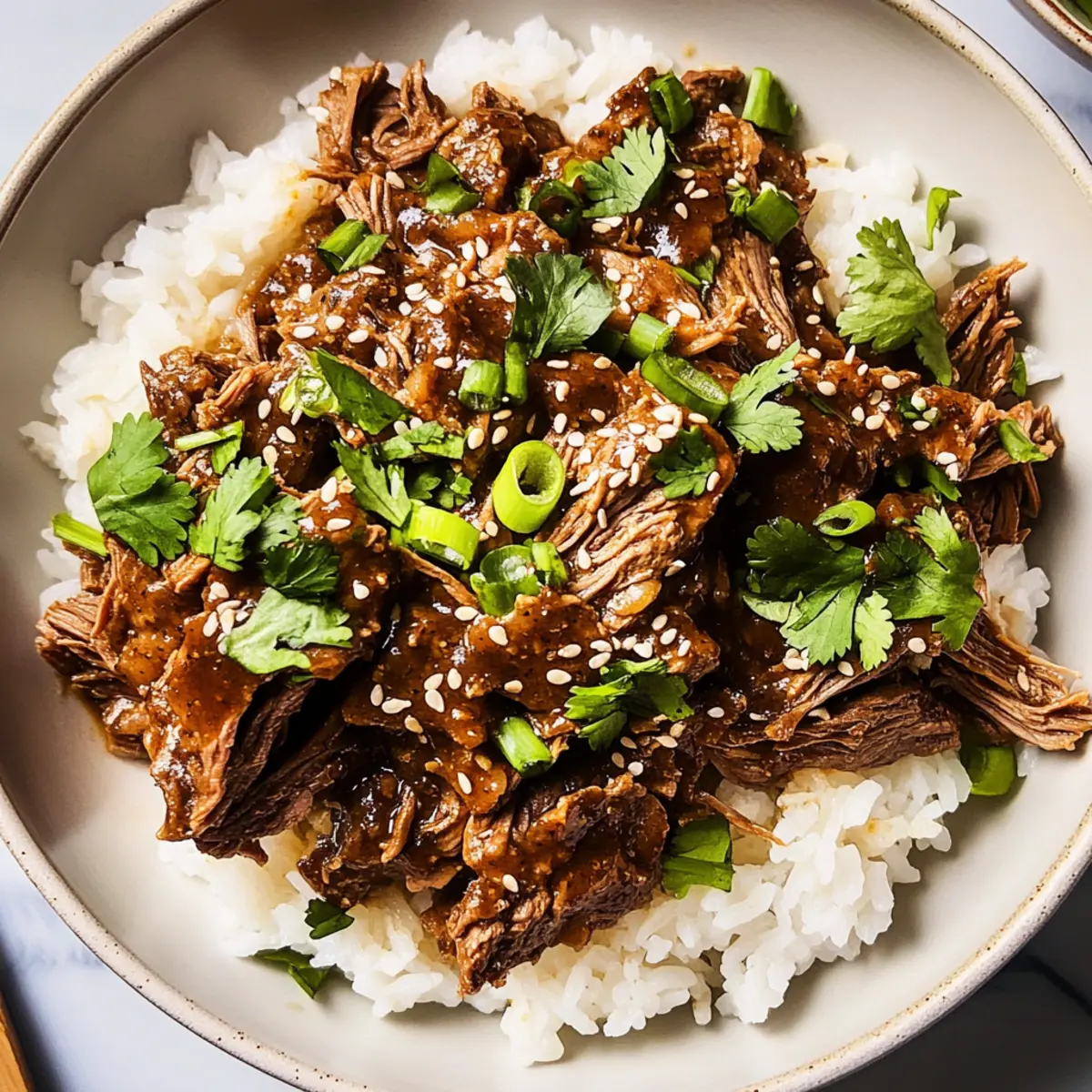
Savory Slow-Cooker Korean Beef: Comfort in Every Bite
Ingredients
Equipment
Method
- Trim excess fat from the beef shoulder and cut into 1.5-inch pieces.
- In a large bowl, combine minced ginger, freshly chopped garlic, beef broth, brown sugar, soy sauce, gochujang, sesame oil, rice vinegar, and cornstarch.
- Place prepared beef pieces in the slow cooker, pour the sauce over and coat thoroughly.
- Cover and cook on low for 5-6 hours or high for 3-4 hours until tender.
- Shred beef in the slow cooker and mix well with remaining sauce.
- Serve over rice and garnish with scallions, cilantro, and sesame seeds.