
Get my cookbooks

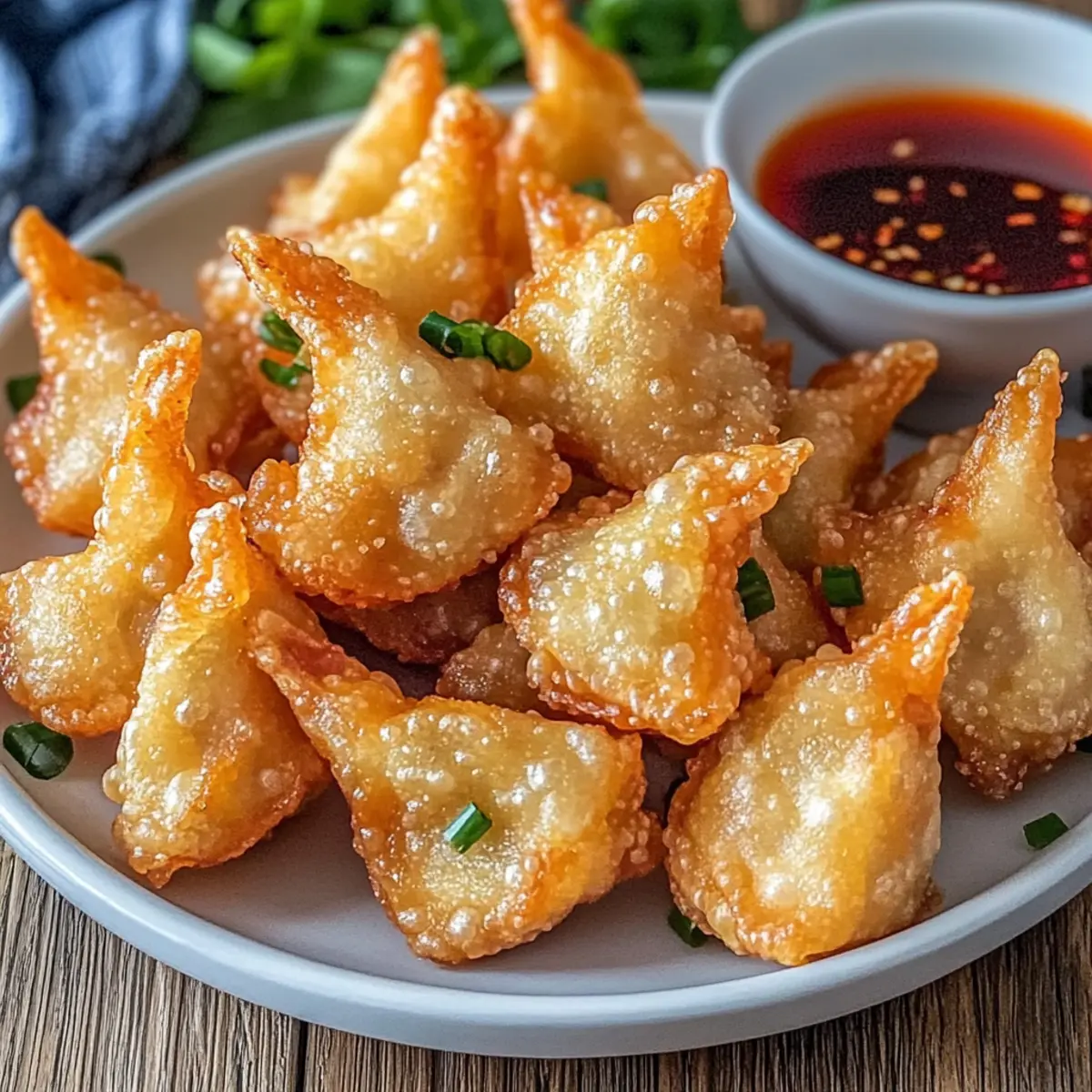
Crispy Wonton-Wrapped Shrimp That’ll Wow Your Guests

As I stood in the kitchen, the sizzling sound of frying filled the air, and I couldn’t help but smile at the magic happening right before my eyes. The aroma of garlic and ginger wafted through, setting the stage for my Crispy Wonton-Wrapped Shrimp, an appetizer that never fails to steal the show. This easy recipe is not only a crowd-pleaser but also brings the joy of homemade dining right to your table. With a golden, crunchy exterior and a succulent shrimp filling, these delightful bites are perfect for gatherings or when the craving hits at home. Plus, you can customize them with spicy twists or even vegetarian alternatives, making them versatile enough for any occasion. Curious to discover how to master this quick and delicious appetizer? Let’s dive into the recipe and make your next culinary moment unforgettable!

Why Are Crispy Wonton-Wrapped Shrimp a Must-Try?

Crowd-Pleaser: These crispy bites combine flavor and crunch, making them an instant hit at any gathering!
Endless Variations: From spicy chili flakes to creamy cheese, customize to your heart’s content.
Quick & Easy: With just a few simple steps, you can whip up this impressive appetizer in no time.
Healthy Options: Need a vegetarian twist? Substitute shrimp with tofu or avocado without losing the allure!
Perfect Pairings: Serve them alongside a refreshing cucumber salad for a delightful balance of textures.
Once you try these wontons, they’ll quickly become a favorite in your recipe repertoire!

Crispy Wonton-Wrapped Shrimp Ingredients

For the Wontons

  • Shrimp – Peeled and deveined, providing a tender, sweet bite; opt for high-quality shrimp for the best flavor.
  • Wonton wrappers – Thin and crispy for that satisfying crunch when fried; ensure they are fresh for optimal results.
  • Egg – Used to seal the wonton wrappers, keeping your delightful shrimp filling intact during frying.

For the Flavor Mixture

  • Garlic – Minced for a robust savory flavor that elevates the shrimp mixture.
  • Green onions – Finely chopped to introduce a fresh, mild onion flavor that brightens the dish.
  • Ginger – Grated to add warmth and depth, making every bite aromatic.
  • Salt and pepper – Essential for seasoning the shrimp mixture to your taste; adjust for flavor balance.

For Cooking

  • Oil – A neutral oil is required for frying; this ensures your wontons achieve that perfect crispiness without overwhelming flavors.

Optional Add-ins

  • Chili flakes – For a spicy twist, incorporate these to add heat and excitement to your wontons.
  • Cheese – Cream cheese or cheddar can create a rich, creamy filling that enhances the overall taste.
  • Fresh herbs – Consider cilantro or parsley to brighten the flavor profile with a fresh touch.
  • Chopped vegetables – Finely chopped bell peppers or carrots can add extra crunch and flavor contrast to the filling.

Using these ingredients, you’ll master the art of making Crispy Wonton-Wrapped Shrimp that will wow your guests!

Step‑by‑Step Instructions for Crispy Wonton-Wrapped Shrimp

Step 1: Prepare the Shrimp Mixture
Begin by finely chopping the green onions and mincing the garlic. In a mixing bowl, combine the peeled and deveined shrimp with the green onions, garlic, grated ginger, salt, and pepper. Mix thoroughly to ensure all flavors meld together, then cover the bowl and let the shrimp mixture marinate for 15 minutes at room temperature. This step infuses your crispy wonton-wrapped shrimp with a burst of flavor!

Step 2: Heat the Oil
While the shrimp mixture is marinating, pour about two inches of neutral oil into a deep pan and heat it over medium heat. Use a thermometer to monitor the temperature, aiming for around 350°F (175°C) for frying. Keep an eye on the oil, waiting until it’s shimmering but not smoking, which indicates it’s ready for the crispy wonton-wrapped shrimp.

Step 3: Assemble the Wontons
Lay a wonton wrapper on a clean surface, and place a generous spoonful of the shrimp mixture in the center. Lightly brush the edges of the wrapper with the beaten egg to help seal it. Fold the wrapper over the filling to form a triangle or bring the corners together to shape a pouch. Ensure there are no air pockets by pressing the edges tightly to secure your delightful filling inside.

Step 4: Fry the Wontons
Once the oil is hot, carefully place a few sealed wontons into the pan, ensuring not to overcrowd them. Fry for approximately 3-4 minutes, turning occasionally with a slotted spoon until they turn golden brown and crispy all over. The aroma wafting through your kitchen will be hard to resist, making this step a highlight for your crispy wonton-wrapped shrimp!

Step 5: Drain and Serve
Using a slotted spoon, carefully remove the fried wontons from the oil and place them on a paper towel-lined plate to drain excess oil. Allow them to cool for a minute before arranging the crispy wonton-wrapped shrimp on a serving platter. Pair them with your favorite dipping sauces, such as sweet chili or soy sauce, and get ready to impress your guests with this delicious appetizer!

What to Serve with Crispy Wonton-Wrapped Shrimp?

Gearing up for a gathering or simply craving a flavorful snack? Let’s explore delectable pairings that will elevate your meal experience.

  • Refreshing Cucumber Salad: The cool crunch of cucumber salad balances out the crispy texture of the wontons, making every bite a delight.

  • Sweet Chili Sauce: This tangy, sweet dip enhances the shrimp’s flavors, adding an irresistible zing that guests will rave about.

  • Spicy Asian Slaw: A mix of crunchy vegetables with a zesty dressing adds brightness and freshness, complementing the crispy shrimp.

  • Coconut Rice: The creamy, fragrant notes of coconut rice offer a subtle sweetness that pairs perfectly with the savory shrimp.

  • Garlic Edamame: A protein-packed side that retains a satisfying crunch. Tossed simply with sea salt, these pods are addictive and nutritious.

  • Chilled Green Tea: Refreshing and light, this beverage cleanses the palate while enhancing the flavors of your appetizer.

  • Mango Salsa: The sweetness and acidity of fresh mango salsa add a vibrant touch to the plate, creating a harmony of flavor.

  • Mini Dessert Spring Rolls: For a sweet finish, serve these with a chocolate or mango filling, perfect for a cohesive Asian-inspired menu.

Variations & Substitutions for Crispy Wonton-Wrapped Shrimp

Feel free to customize these delightful wontons to suit your taste and dietary needs!

  • Spicy Twist: Add chili flakes to the shrimp mixture for an extra kick that ignites your taste buds. Spice lovers will appreciate this fiery update!

  • Vegetarian Option: Substitute shrimp with diced avocado or tofu, providing a creamy texture that complements the crispy exterior. This not only makes it vegetarian but equally delicious!

  • Creamy Filling: Incorporate cream cheese or pepper jack into the shrimp mixture for a rich and indulgent surprise inside each wonton. Creamy goodness is always a crowd-pleaser!

  • Flavor Boost: Add fresh herbs like cilantro or basil to the filling for a burst of freshness. These herbs elevate the flavor profile and add a beautiful touch!

  • Crunchy Veggie: Mix in finely chopped bell peppers or carrots to the shrimp mixture for added crunch and vibrant color. It’s a tasty way to amp up the nutrition without compromising flavor!

  • Zesty Dipping Sauce: Pair your crispy wontons with a homemade mango salsa or spicy peanut sauce for an exciting flavor contrast. A great sauce can take your appetizer to the next level!

  • Savory Garlic: Infuse the oil with garlic by briefly sautéing minced garlic before frying the wontons. This aromatic touch enhances the overall flavor and makes your kitchen smell divine!

  • Herbed Wrappers: Use spinach or beet wonton wrappers for a pop of color and subtle flavor. They make your dish visually stunning and add a unique twist!

With these variations, you’ll never run out of ways to enjoy your Crispy Wonton-Wrapped Shrimp! If you’re feeling adventurous, try making a batch with different fillings and see which one becomes your family’s new favorite! Wouldn’t they be perfect served alongside a refreshing cucumber salad or even some Asian-inspired slaw? Happy cooking!

Storage Tips for Crispy Wonton-Wrapped Shrimp

  • Room Temperature: It’s best to enjoy crispy wonton-wrapped shrimp right after frying. If left out, they should not be kept at room temperature for more than 2 hours to ensure freshness.

  • Fridge: Store any leftover crispy wonton-wrapped shrimp in an airtight container in the fridge for up to 3 days. Make sure they are completely cooled before sealing to prevent condensation.

  • Freezer: For longer storage, freeze the wontons before frying. Arrange them in a single layer on a baking sheet; once frozen, transfer to a freezer bag and store for up to 3 months. Fry straight from frozen for best results.

  • Reheating: To reheat leftover crispy wonton-wrapped shrimp and maintain their crunch, use the oven. Bake at 375°F (190°C) for about 10-15 minutes, until warmed through and crispy again.

Expert Tips for Crispy Wonton-Wrapped Shrimp

  • Marinate for Flavor: Ensure the shrimp is adequately marinated for at least 15 minutes to enhance the overall flavor of your crispy wonton-wrapped shrimp.

  • Maintain Oil Temperature: Use a thermometer to help keep the oil temperature consistent at 350°F (175°C); this prevents oily or soggy wontons.

  • Avoid Overcrowding: Fry in small batches; overcrowding the pan can lead to uneven cooking and less crispiness. Give each wonton space to fry perfectly.

  • Seal Properly: Make sure you press the edges of the wonton wrappers tightly to avoid leaks during frying; loose edges can lead to a mess in the oil.

  • Experiment with Fillings: Don’t hesitate to add optional ingredients like cheese or chopped vegetables for a twist; they elevate the flavor of your crispy wonton-wrapped shrimp.

Make Ahead Options

Preparing Crispy Wonton-Wrapped Shrimp ahead of time is a game changer for busy cooks! You can assemble the wontons up to 24 hours in advance; just place them on a baking sheet lined with parchment paper, cover with plastic wrap, and refrigerate. If you’re looking to prep even further, the shrimp mixture can be made up to 3 days ahead and stored in an airtight container in the fridge. To maintain quality, avoid frying them until you’re ready to serve—this ensures that the wontons stay crispy and delightful. When it’s time to enjoy your appetizer, simply heat the oil and fry the wontons until golden brown, letting the irresistible aroma fill your kitchen while saving you valuable time!

Crispy Wonton-Wrapped Shrimp Recipe FAQs

How can I select the best shrimp for this recipe?
Absolutely! Look for shrimp that are firm and have a slight sheen. Fresh shrimp should not have any dark spots or an unusual odor. Larger shrimp, such as 16/20 count shrimp, provide a nice bite and are easy to handle when wrapping in wontons.

What’s the best way to store leftover crispy wonton-wrapped shrimp?
I recommend keeping any leftovers in an airtight container in the fridge for up to 3 days. Make sure they’re completely cooled before sealing to prevent moisture buildup, which can make them soggy.

Can I freeze crispy wonton-wrapped shrimp?
Yes, you can! To freeze, arrange the assembled but un-fried wontons in a single layer on a baking sheet and freeze until solid. Once frozen, transfer them to a freezer bag and store for up to 3 months. To cook from frozen, no need to thaw! Just fry directly from the freezer until golden and crispy, which typically takes an extra minute.

How do I maintain the crispness when reheating?
To reheat leftover crispy wonton-wrapped shrimp, preheat the oven to 375°F (190°C) and bake for about 10-15 minutes. This helps to restore their delightful crunch instead of making them soggy like microwaving would.

What can I use as a vegetarian substitute for shrimp?
For a delicious vegetarian option, you can substitute the shrimp with finely diced tofu or even mashed avocado. If using tofu, make sure to press and drain it well before mixing with the other ingredients to prevent excess moisture, and season it liberally for flavor!

Can my pets eat shrimp from this recipe?
While shrimp is generally safe for dogs in moderation, always consult with your veterinarian before introducing new foods into your pet’s diet. Keep in mind that the seasonings and fried nature of these wontons could be unsuitable for them, so it’s best to stick with plain shrimp without any added ingredients.
undefined

Crispy Wonton-Wrapped Shrimp That’ll Wow Your Guests

Crispy Wonton-Wrapped Shrimp are a delightful appetizer that combines flavor and crunch to impress guests.
Prep Time 15 minutes
Cook Time 15 minutes
Marinating Time 15 minutes
Total Time 45 minutes
Servings: 6 pieces
Course: Appetizers
Cuisine: Asian
Calories: 150

Ingredients
  

For the Wontons
  • 1 lb Shrimp Peeled and deveined
  • 20 pieces Wonton wrappers Fresh
  • 1 large Egg Beaten
For the Flavor Mixture
  • 2 cloves Garlic Minced
  • 3 stalks Green onions Finely chopped
  • 1 tbsp Ginger Grated
  • to taste Salt
  • to taste Pepper
For Cooking
  • 2 cups Oil Neutral oil for frying
Optional Add-ins
  • 1 tsp Chili flakes For a spicy twist
  • 4 oz Cheese Cream cheese or cheddar
  • 1 cup Fresh herbs Cilantro or parsley
  • 1 cup Chopped vegetables Bell peppers or carrots

Equipment

  • Deep pan
  • Mixing Bowl
  • slotted spoon
  • Thermometer

Method
 

Step-by-Step Instructions
  1. Prepare the shrimp mixture by combining shrimp, green onions, garlic, ginger, salt, and pepper in a bowl. Marinate for 15 minutes.
  2. Heat oil in a deep pan to 350°F (175°C).
  3. Assemble the wontons by placing shrimp mixture on wonton wrappers and sealing with egg.
  4. Fry wontons for 3-4 minutes until golden brown.
  5. Drain on paper towels and serve with your favorite dipping sauces.
Nutrition

Serving: 1pieceCalories: 150kcalCarbohydrates: 15gProtein: 10gFat: 7gSaturated Fat: 1gPolyunsaturated Fat: 2gMonounsaturated Fat: 4gCholesterol: 50mgSodium: 300mgPotassium: 200mgFiber: 1gSugar: 1gVitamin A: 5IUVitamin C: 2mgCalcium: 2mgIron: 5mg

Notes

For best results, make sure to maintain the oil temperature and avoid overcrowding the pan while frying.

Tried this recipe?

Let us know how it was!

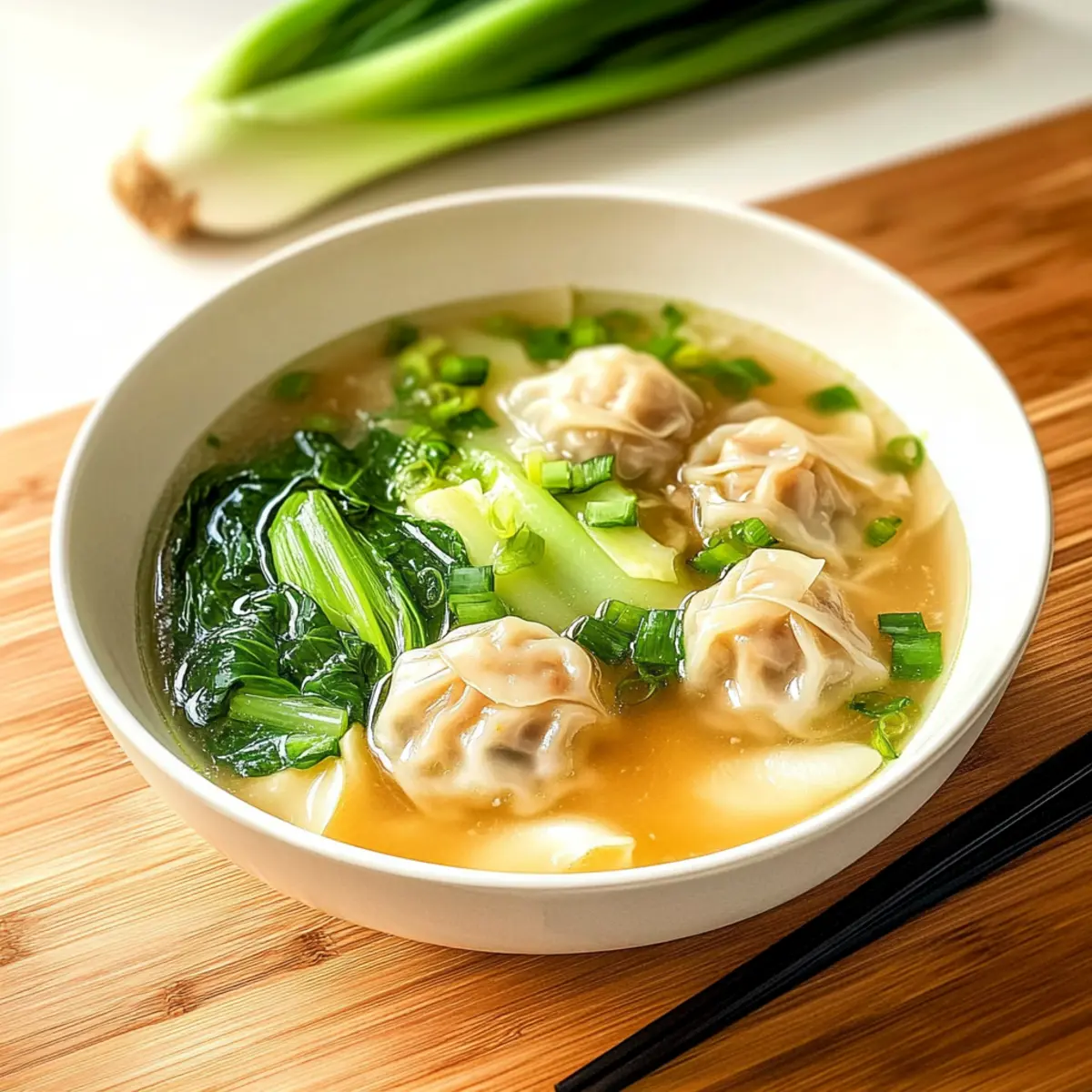
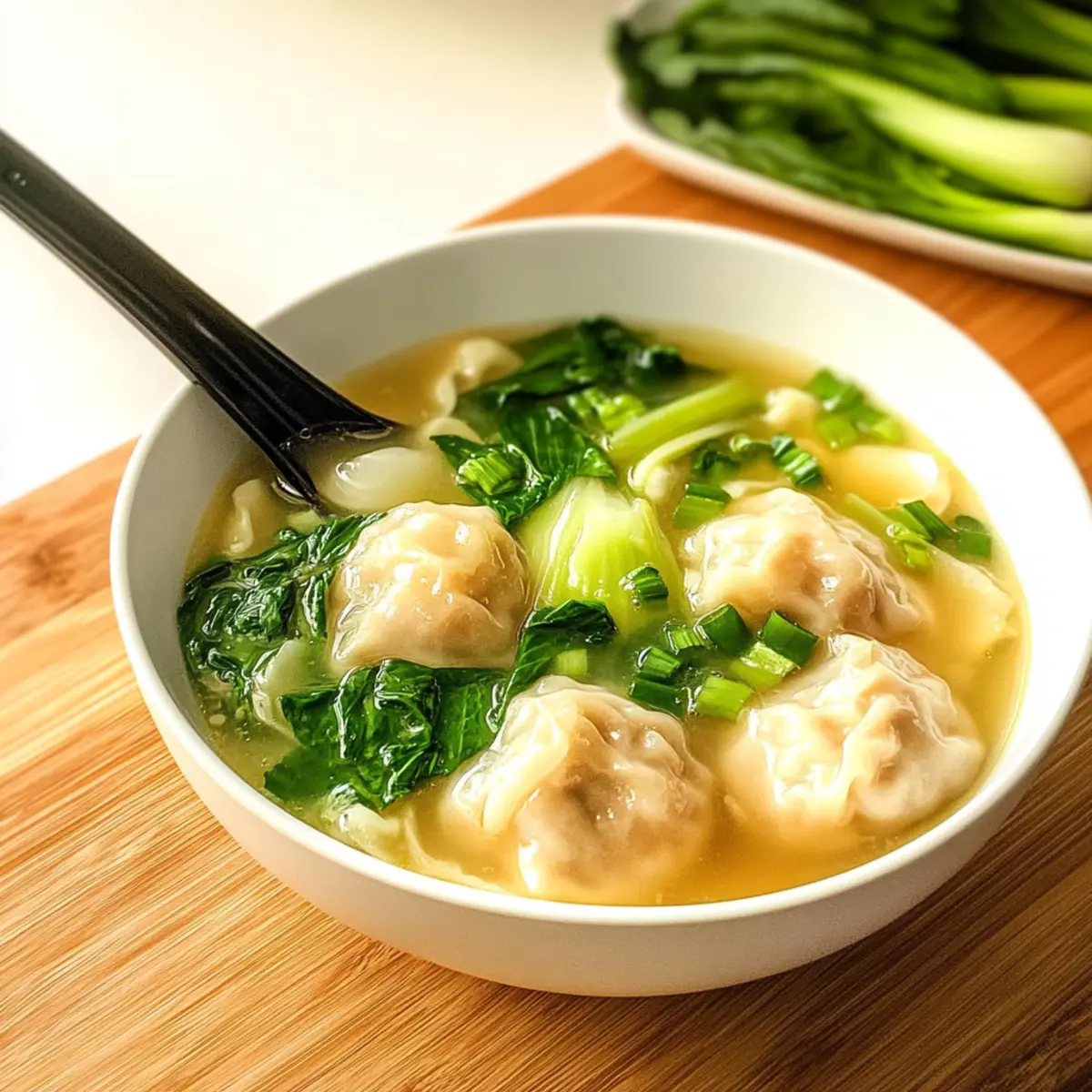
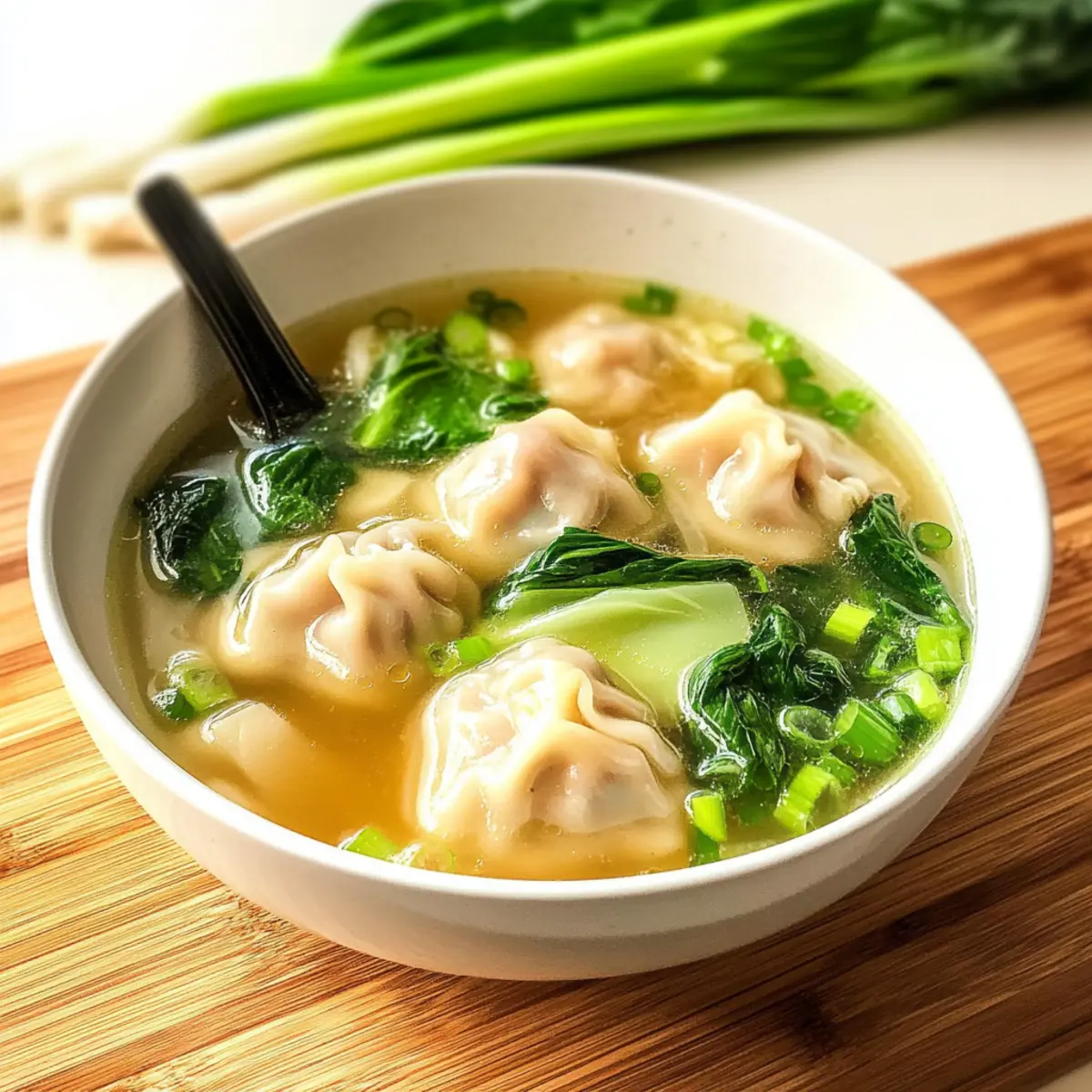
15-Minute One Pot Wonton Soup for Ultimate Cozy Vibes

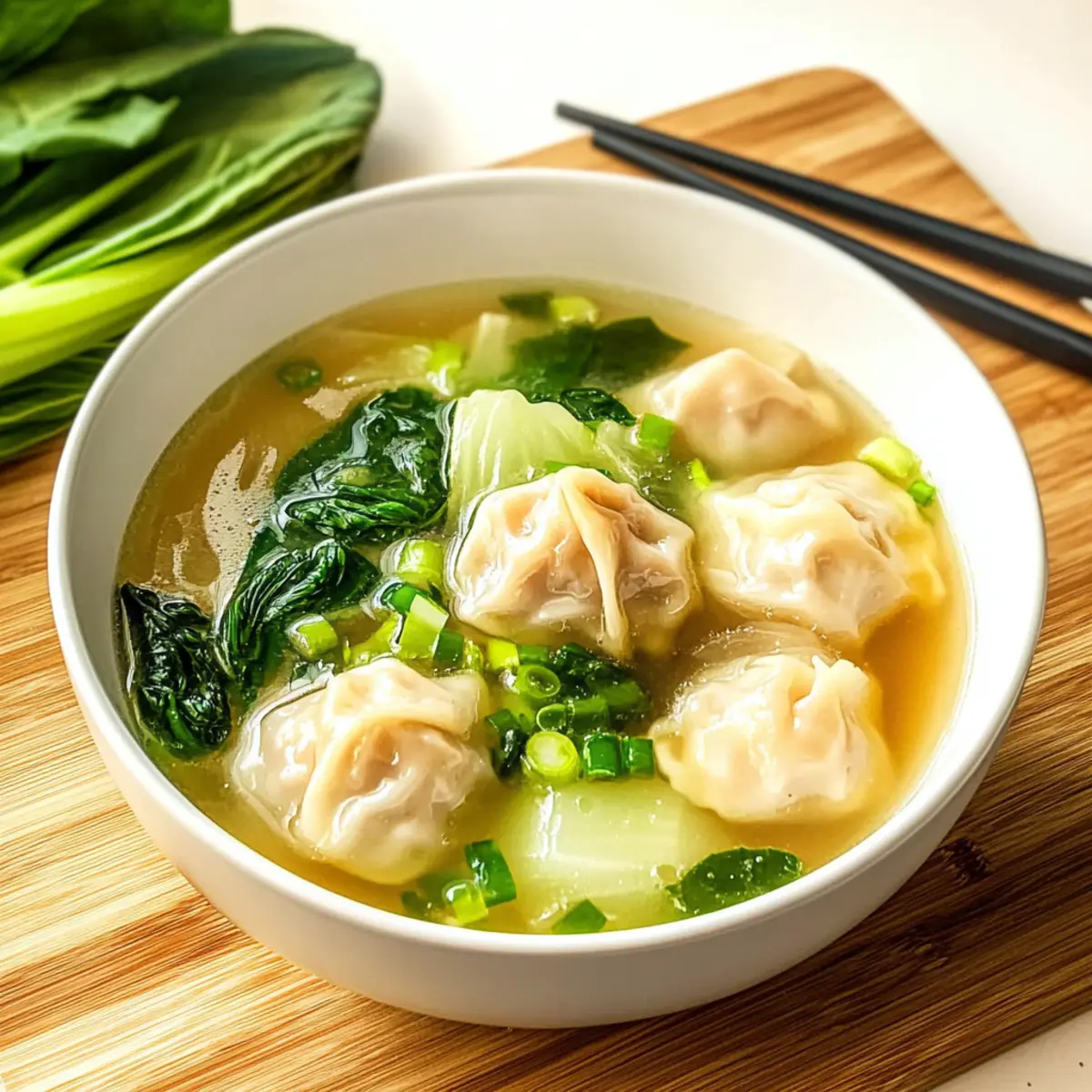
In just 15 minutes, I can transform a chilly evening into a cozy retreat with my One Pot Wonton Soup. The magic happens in a single pot, where savory wontons mingle with fresh veggies in a fragrant broth that fills your home with irresistible warmth. This quick meal is not only a comfort food classic but also incredibly adaptable—whether you opt for store-bought wontons for convenience or take the time to craft your own with flavorful fillings like shrimp or chicken. It’s perfect for those nights when you crave something hearty yet simple. So, what’s your favorite twist on wonton soup? Let’s dive in!

Why is this soup so versatile?

Quick, Easy Prep: With just 15 minutes needed, you can enjoy a homemade meal without spending hours in the kitchen. Ideal for busy nights!
Customizable Options: Use store-bought wontons for speed or whip up your own with shrimp, pork, or chicken fillings—yum!
Comforting Taste: The fragrant broth and soft wontons create a warm hug in a bowl, perfect for cozy evenings.
Healthy Choices: Packed with fresh veggies like bok choy, you can sneak in nutrition easily. Try some variations like a vegetarian version for a different spin!
Crowd Pleaser: This dish is sure to impress family and friends, whether it’s a weeknight dinner or a gathering. Looking to ramp up your cooking skills? Check out our wonton-making guide for tips!

One Pot Wonton Soup Ingredients

For the Broth
Chicken Broth – The flavorful base of your soup; opt for low-sodium for a lighter choice.
Ginger – Adds a zesty warmth; fresh ginger is best, but powdered can work in a pinch.
Soy Sauce – Brings saltiness and depth; use tamari for a gluten-free alternative.
Cooking Wine – Enhances the broth’s complexity; Shaoxing wine is recommended or skip it for non-alcoholic.
Sesame Oil – Infuses a delightful nutty aroma; olive oil works if you’re in a bind.
Salt & White Pepper – Essential for seasoning; adjust based on your broth’s saltiness.

For the Soup
Green Onions – Fresh and crispy, these make a fantastic garnish.
Fried Shallots – Provide a crunchy texture and rich flavor; substitute sautéed onions if needed.
Frozen Wontons – The star of the dish—use store-bought for convenience or make your own with unique fillings like shrimp!
Bok Choy – Adds nutrition and texture; spinach can be used as a tasty alternative.

Now you’re all set to whip up your delicious One Pot Wonton Soup in no time!

Step‑by‑Step Instructions for 15-Minute One Pot Wonton Soup

Step 1: Prepare the Broth
In a large pot, combine 4 cups of chicken broth, 1 tablespoon of sliced fresh ginger, 2 tablespoons of soy sauce, and 1 tablespoon of cooking wine. Add 1 teaspoon of sesame oil, and season with salt and white pepper to taste. Stir everything together and bring the mixture to a boil over medium-high heat, allowing the fragrant broth to develop.

Step 2: Cook the Wontons
Once the broth is boiling, gently add in your frozen wontons—about 12-16 pieces depending on your preference. Stir the wontons gently to prevent them from sticking to each other or the bottom of the pot. Let them cook in the bubbling broth for 4-5 minutes, or until they rise to the surface, indicating that they are fully cooked and tender.

Step 3: Add the Bok Choy
After the wontons have floated to the top, add 2 cups of chopped bok choy to the pot. Allow it to simmer for an additional 2-3 minutes, or until the bok choy is tender and vibrant green. The combination of the succulent wontons and fresh vegetables creates a delightful contrast in your cozy One Pot Wonton Soup.

Step 4: Garnish and Serve
When the bok choy is tender, remove the pot from heat. Ladle the soup into bowls and garnish each serving with chopped green onions and a sprinkle of fried shallots for added crunch. Serve hot and enjoy the warmth and comfort of your homemade 15-Minute One Pot Wonton Soup, perfect for any chilly evening!

What to Serve with One Pot Wonton Soup

Cozy up your meal with delightful sides that elevate your One Pot Wonton Soup experience!

  • Steamed Rice: Simple yet satisfying, it soaks up the savory broth beautifully for a fuller meal.
  • Chili Oil Drizzle: Add a dash of heat and complexity to your soup, creating a tantalizing flavor explosion with every spoonful!
  • Mango Salad: Fresh and zesty, this fruity salad provides a bright contrast to the warmth of the soup, making each bite refreshing.
  • Garlic Naan: Soft and fluffy, it’s perfect for dipping into the broth, bringing a delightful texture to complement the wontons.
  • Spring Rolls: Crisp and savory, they add a delightful crunch and are a perfect finger food alternative for a festive evening.
  • Herbal Tea: Serve with a warm cup of jasmine or green tea; aromatic and soothing, it enhances the dining experience.

These complementary sides will bring your cozy meal to life, showcasing the incredible versatility of your One Pot Wonton Soup while keeping the comforting vibes flowing!

One Pot Wonton Soup Variations

Embrace the spirit of creativity and make this recipe your own with delightful twists and turns!

  • Gluten-Free: Swap soy sauce with tamari for a gluten-free broth without sacrificing flavor.
  • Vegetarian Delight: Use vegetable broth and substitute wontons with vegetarian dumplings for a wholesome plant-based version.
  • Spice It Up: Add sliced jalapeños or a sprinkle of red pepper flakes for a fiery kick that warms you from the inside out.
  • Rich and Creamy: Stir in a splash of coconut milk for a creamy texture and a hint of tropical flavor, creating a unique balance in your broth.
  • Herb Infusion: Toss in fresh herbs like cilantro or Thai basil just before serving for a fragrant finish and vibrant color.
  • Choose Your Greens: Swap bok choy for spinach or kale, adding a different texture and a nutrient boost that complements any wonton filling.
  • Exotic Toppings: Enhance your garnishes with crushed peanuts or sesame seeds for an exciting crunch; a drizzle of chili oil takes it to the next flavor level!
  • Homemade Wontons: Ready to embark on a culinary adventure? Craft your own wontons filled with shrimp or spicy pork using our wonton-making guide to elevate your soup experience.

Let your taste buds guide you, and enjoy every comforting spoonful!

Expert Tips for One Pot Wonton Soup

Fresh Ingredients Matter: Use fresh ginger and quality chicken broth to enhance the soup’s flavor. Store-bought wontons are convenient but won’t match homemade in taste.

Avoid Overcrowding: Don’t overcrowd the pot when adding wontons. Gentle stirring is key to preventing them from sticking together or to the pot.

Adjust Seasoning: Taste the broth before adding wontons and adjust seasoning as needed, especially if using store-bought broth, which may be saltier than homemade.

Quick Cooking: Keep an eye on cooking times; overcooking the wontons can make them mushy. They’re done when they float to the top!

Customize Garnishes: Personalize your bowl! Top with chili oil for heat or a squeeze of lime for brightness, elevating your One Pot Wonton Soup experience.

Make Ahead Options

This 15-Minute One Pot Wonton Soup is perfect for meal prep enthusiasts! You can prepare the broth and store it in the refrigerator for up to 3 days. Simply combine the chicken broth, ginger, soy sauce, cooking wine, sesame oil, salt, and white pepper ahead of time and refrigerate in an airtight container. You can also make wontons in larger batches and freeze them for up to 3 months. When ready to serve, heat the broth until simmering, then add the frozen wontons and chopped bok choy, cooking until everything is hot and tender. With these prep in advance techniques, you’ll enjoy hearty, homemade comfort food in no time!

Storage Tips for One Pot Wonton Soup

Fridge: Store leftover soup in an airtight container for up to 3 days. Keep the wontons separate from the broth to maintain their texture.

Freezer: For longer storage, freeze the soup without wontons for up to 2 months. Portion out broth in freezer-safe bags, ensuring to remove excess air.

Reheating: When ready to enjoy, thaw in the fridge overnight and reheat on the stovetop over low heat. Add fresh wontons or veggies for a delightful touch.

Make-Ahead: Prepare wontons in advance and freeze them for up to 3 months. This allows for quick assembly of your comforting One Pot Wonton Soup whenever you crave it!

One Pot Wonton Soup Recipe FAQs

How do I know when my wontons are ready?
You’ll know your wontons are cooked when they float to the top of the broth! This typically takes about 4-5 minutes, but keep an eye on them to avoid overcooking. They should be tender but not mushy—perfect for that delightful bite!

What type of wontons should I use?
You can use either store-bought frozen wontons for convenience or make your own with shrimp, chicken, or pork fillings! If you opt for store-bought, I recommend looking for those with a good meat-to-wrapper ratio for the best flavor and texture.

How should I store leftover wonton soup?
Store any leftover soup in an airtight container in the fridge for up to 3 days. To keep wontons from getting soggy, I suggest separating them from the broth before storing. Just reheat when you’re ready to enjoy!

Can I freeze One Pot Wonton Soup?
Yes! I often freeze the soup base (without wontons) in freezer-safe bags for up to 2 months. Make sure to remove excess air before sealing. When you’re ready to enjoy, simply thaw in the fridge overnight and heat it on the stovetop, then add fresh or frozen wontons before serving.

How do I prevent wontons from sticking together while cooking?
Absolutely! Gently stir the wontons during cooking to help prevent them from sticking to each other or the bottom of the pot. Avoid overcrowding; if you’re making a large batch, consider cooking them in smaller portions for best results.

What if someone in my family has gluten allergies?
Very! You can easily make this soup gluten-free by substituting soy sauce with tamari and ensuring your wontons are made without wheat or using gluten-free wonton wrappers. Using low-sodium chicken broth will also keep it healthy and gluten-free.

undefined

15-Minute One Pot Wonton Soup for Ultimate Cozy Vibes

Enjoy a comforting 15-minute one pot wonton soup that is quick, healthy, and fully customizable.
Prep Time 5 minutes
Cook Time 10 minutes
Total Time 15 minutes
Servings: 4 bowls
Course: Dinner
Cuisine: Asian
Calories: 250

Ingredients
  

For the Broth
  • 4 cups chicken broth low-sodium for lighter choice
  • 1 tablespoon fresh ginger sliced
  • 2 tablespoons soy sauce use tamari for gluten-free
  • 1 tablespoon cooking wine Shaoxing recommended
  • 1 teaspoon sesame oil olive oil works in a bind
  • salt to taste
  • white pepper to taste
For the Soup
  • 2 stalks green onions chopped
  • 1 cup fried shallots substitute sautéed onions if needed
  • 12-16 pieces frozen wontons store-bought or made with unique fillings
  • 2 cups bok choy chopped; spinach can be used as alternative

Equipment

  • Large pot

Method
 

Step-by-Step Instructions
  1. In a large pot, combine 4 cups of chicken broth, 1 tablespoon of sliced fresh ginger, 2 tablespoons of soy sauce, and 1 tablespoon of cooking wine. Add 1 teaspoon of sesame oil, and season with salt and white pepper to taste. Stir everything together and bring the mixture to a boil over medium-high heat.
  2. Once the broth is boiling, gently add in your frozen wontons—about 12-16 pieces depending on your preference. Stir the wontons gently to prevent them from sticking to each other or the bottom of the pot. Let them cook in the bubbling broth for 4-5 minutes, or until they rise to the surface.
  3. After the wontons have floated to the top, add 2 cups of chopped bok choy to the pot. Allow it to simmer for an additional 2-3 minutes, or until the bok choy is tender.
  4. When the bok choy is tender, remove the pot from heat. Ladle the soup into bowls and garnish each serving with chopped green onions and a sprinkle of fried shallots.

Nutrition

Serving: 1bowlCalories: 250kcalCarbohydrates: 30gProtein: 12gFat: 10gSaturated Fat: 1gPolyunsaturated Fat: 2gMonounsaturated Fat: 7gCholesterol: 40mgSodium: 800mgPotassium: 400mgFiber: 2gSugar: 1gVitamin A: 1000IUVitamin C: 30mgCalcium: 50mgIron: 2mg

Notes

Store leftover soup in an airtight container for up to 3 days. For longer storage, freeze the soup without wontons for up to 2 months.

Tried this recipe?

Let us know how it was!

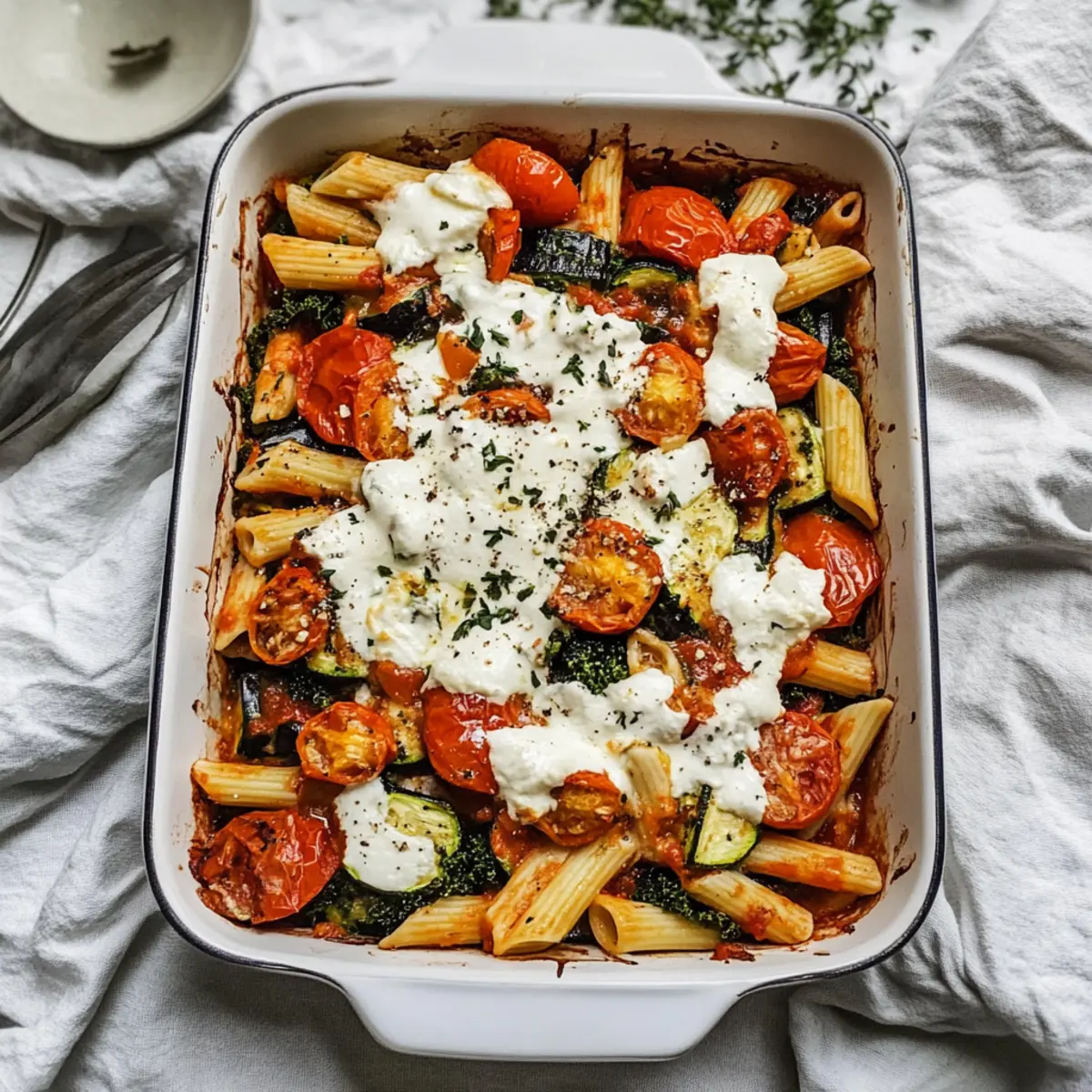
Eggplant Pasta Bake with Zucchini: A Cozy Vegetarian Delight

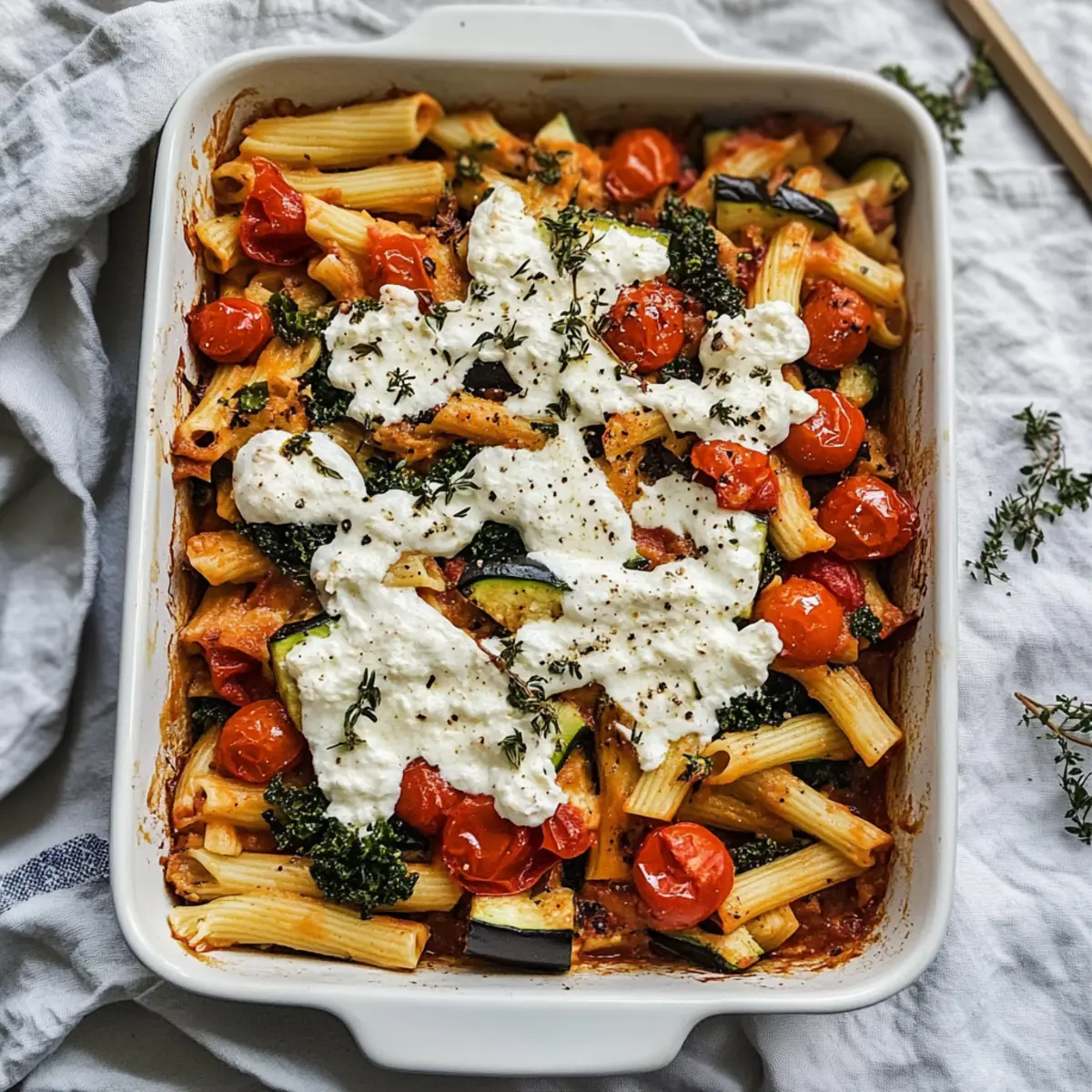
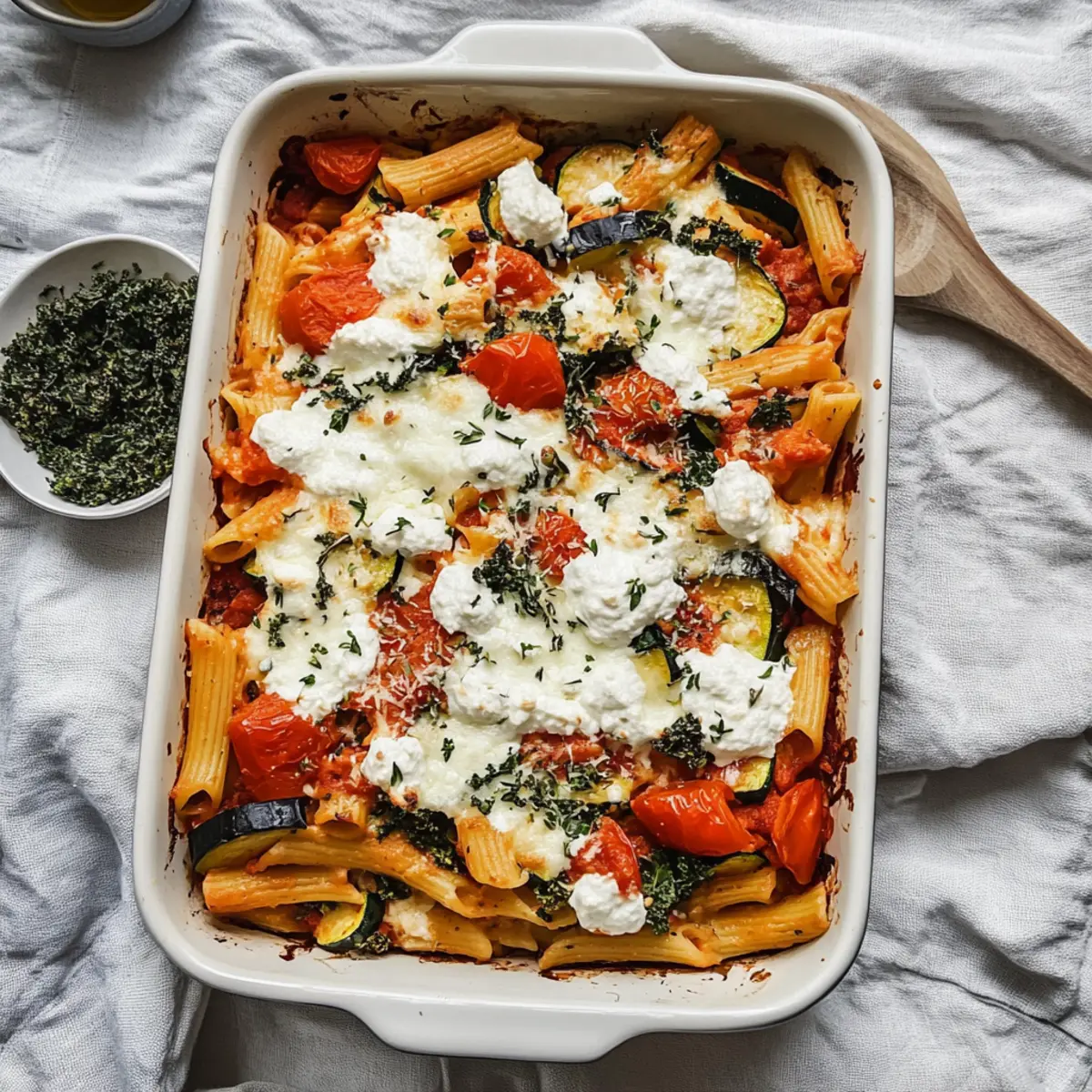
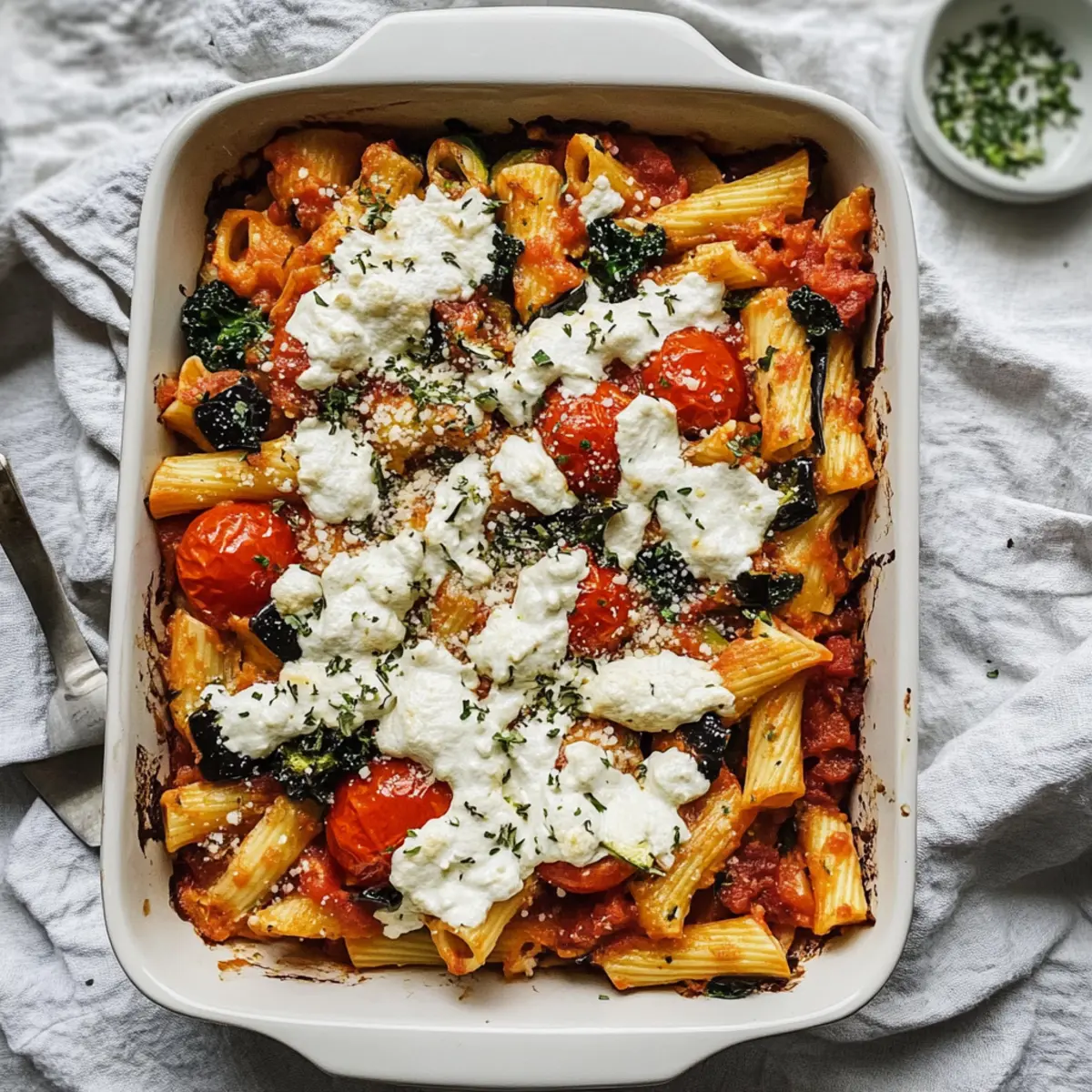
As the scent of roasted vegetables wafted through my kitchen, I realized I had just stumbled upon a hidden gem of comfort food: the Healthy Eggplant Pasta Bake with Tomatoes and Zucchini. This vibrant dish is not just a feast for the eyes; it’s a celebration of wholesome goodness that brings together the richness of eggplant, the freshness of zucchini, and the heartiness of kale, all wrapped in a cozy pasta embrace. Perfect for those busy weeknights, it boasts quick prep time and is a crowd-pleaser for family or friends. Plus, with options for gluten-free and vegan adaptations, everyone can join in on this culinary delight. Are you ready to elevate your pasta game and impress your loved ones? Let’s dive into this delicious recipe together!

Why is This Pasta Bake Unique?

Comforting, This eggplant pasta bake perfectly combines rich flavors with a healthy twist, making it ideal for everyone seeking delicious vegetarian meals.

Versatile, Customize it effortlessly by swapping ingredients – think spinach instead of kale or gluten-free pasta to cater to dietary preferences.
Quick Prep, With a straightforward recipe, you can have this hearty dish ready for your family in under an hour, making it a winner on busy weeknights.

Meal Prep Friendly, Perfect for batch cooking, this dish can be made ahead of time and stored for the week, ensuring you have a wholesome meal ready to go.

Crowd-Pleasing, Whether you’re hosting a dinner party or just cooking for yourself, it’s a guaranteed hit that leaves everyone asking for seconds!

Elevate your cooking game with this delightful dish and discover how simple yet flavorful homemade meals can be!

Eggplant Pasta Bake Ingredients

• Here’s what you’ll need to create a satisfying Eggplant Pasta Bake that everyone will love!

For the Bake
Eggplant – Adds depth and texture; substitute with zucchini or bell peppers for a different flavor.
Zucchini – Provides moisture and nutrient richness; can swap for yellow squash or asparagus.
Cool Olive Oil – Essential for roasting vegetables and enhances flavor; use avocado oil as an alternative.
Dried Basil – Adds herbal notes; fresh basil can be used for a brighter taste.
Dried Thyme – Complements other herbs; substitute with oregano if necessary.
Pasta (small shape) – Provides structure and carbs; gluten-free pasta can be used for a gluten-free version.
Kale – Offers nutritional benefits and texture; spinach or Swiss chard can be used instead.
Marinara Sauce – Acts as the flavorful sauce base; ensure it’s gluten-free if needed.
Tomatoes – Adds freshness and moisture; substitute canned diced tomatoes if fresh aren’t available.

For the Cheese Layer
Ricotta – Adds creaminess; can be replaced with vegan ricotta for a dairy-free option.
Parmesan – Provides savory depth; aged pecorino or nutritional yeast (for vegan) can be alternatives.

Gather these ingredients and get ready to experience a cozy, comforting delight that is sure to become a favorite in your home!

Step-by-Step Instructions for Eggplant Pasta Bake with Zucchini

Step 1: Preheat and Prepare
Begin by preheating your oven to 400°F (200°C). While the oven heats, bring a large pot of salted water to a boil for the pasta. Once boiling, set aside a baking sheet for the vegetables. This will ensure a smooth cooking process as you gather your ingredients and prep the veggies for roasting.

Step 2: Roast the Vegetables
Toss diced eggplant and zucchini with olive oil, dried basil, dried thyme, salt, and pepper on the prepared baking sheet. Spread the mixture evenly and roast in the preheated oven for about 25 minutes, or until the eggplant is tender and golden brown. The aroma of roasted vegetables will fill your kitchen, enhancing the dish’s wonderful flavor.

Step 3: Cook the Pasta
While the vegetables are roasting, cook the pasta in the boiling water according to the package instructions, but reduce the cooking time by 2-3 minutes for an al dente texture. Once ready, drain the pasta and set it aside. This will ensure it doesn’t overcook when combined with the warm ingredients later.

Step 4: Add the Kale
After 25 minutes of roasting, carefully remove the baking sheet from the oven. Add the chopped kale on top of the roasted vegetables and return the sheet to the oven for an additional 2 minutes. This will allow the kale to wilt slightly, adding a nutritious touch to your Eggplant Pasta Bake.

Step 5: Combine Everything
In a large baking dish, combine the roasted vegetables, cooked pasta, marinara sauce, and fresh tomatoes. Toss all the ingredients together until well mixed, ensuring every piece of pasta is coated with the delicious sauce. This combination of flavors will create the heart of your Eggplant Pasta Bake with Zucchini.

Step 6: Add Cheeses
Layer the top of your pasta mixture with dollops of ricotta cheese and a generous sprinkle of parmesan. Allowing the cheeses to meld with the other layers will enhance the creamy texture and savory flavor of the baked dish. Make sure it’s evenly distributed for the perfect baked topping.

Step 7: Bake to Perfection
Place the baking dish in the oven and bake for an additional 20 minutes. Keep an eye on it, and look for a lightly browned cheese layer and crisp pasta top. The bubbling and golden surface will signal that your Eggplant Pasta Bake with Zucchini is ready to enjoy.

Step 8: Serve Hot
Once baked, carefully remove the dish from the oven, and let it sit for a few minutes to cool slightly. Serve your delicious Eggplant Pasta Bake hot for the best experience, and relish in the cozy, comforting flavors that everyone will love!

Expert Tips for Eggplant Pasta Bake

  • Pasta Shape Matters: Choosing small pasta shapes ensures even cooking and easy serving; avoid long pasta varieties for this bake.

  • Watch the Cheese: Ensure your cheeses melt thoroughly, achieving a slightly crispy top for the best texture and flavor in your eggplant pasta bake.

  • Don’t Skimp on Sauce: Maintain enough marinara sauce to prevent drying out; adjust according to preference for a saucier dish.

  • Layering Technique: Mix the pasta and veggies thoroughly to ensure each bite is packed with flavor, preventing blandness in the eggplant pasta bake.

  • Rest Before Serving: Allow the baked dish to sit for a few minutes before serving; this helps the flavors meld and makes it easier to cut and serve.

Make Ahead Options

These Eggplant Pasta Bake with Zucchini are perfect for meal prep enthusiasts! You can roast the vegetables and cook the pasta up to 24 hours in advance, allowing you to simply combine everything when it’s time to eat. Store the prepared components separately in airtight containers in the refrigerator, which helps maintain the quality and prevent sogginess. Additionally, you can assemble the entire dish up to 3 days ahead; just cover it tightly and refrigerate. When you’re ready to serve, simply bake it for about 20 minutes at 400°F (200°C) until bubbling and golden. This way, you’ll enjoy a wholesome homemade meal with minimal effort, ready in no time!

How to Store and Freeze Eggplant Pasta Bake

Fridge: Store the eggplant pasta bake in an airtight container for up to 3-5 days. Make sure it’s completely cooled before sealing to maintain freshness.

Freezer: For longer storage, freeze individual portions in airtight containers or freezer-safe bags for up to 1-2 months. This makes meal prep simple and convenient!

Reheating: To reheat, bake at 350°F (175°C) for about 20-30 minutes until warmed through, or microwave in short bursts, stirring in between. Enjoy your delicious eggplant pasta bake any time!

What to Serve with Eggplant Pasta Bake with Tomato & Zucchini

As you savor the layers of goodness in your eggplant pasta bake, consider these delightful pairings that will elevate your meal to new heights.

  • Simple Green Salad: A crisp, refreshing salad with mixed greens and a light vinaigrette complements the rich flavors. The crunch balances the creaminess of your bake perfectly.

  • Garlic Bread: Adding warm, toasty garlic bread provides a satisfying crunch, perfect for scooping out that delicious pasta bake. It’s a classic pairing that never disappoints!

  • Roasted Vegetables: A medley of roasted seasonal veggies adds a colorful twist and further enhances the dish’s hearty essence. Their caramelized sweetness beautifully contrasts the savory pasta bake.

  • Grilled Chicken or Shrimp: If you’re craving protein, adding grilled chicken or shrimp transforms your meal into a filling feast. These options bring a lovely char and depth to your dinner table.

  • Homemade Tzatziki: This refreshing yogurt-based sauce offers a cool contrast to your warm dish. A sprinkle of fresh dill adds an extra punch, tying the flavors together seamlessly.

  • Crispy Kale Chips: For a fun twist, serve crispy kale chips on the side. Their crunch adds texture and a delightful flash of flavor that complements the creaminess of the pasta bake.

  • Red Wine Spritzer: Sip on a fruity red wine spritzer alongside your meal, as its effervescence lightens the rich flavors of the bake, making each bite even more enjoyable.

Finding the perfect companions for your eggplant pasta bake means enhancing that cozy, satisfying feeling of homemade meals shared with loved ones. Enjoy the experience!

Eggplant Pasta Bake Variations & Substitutions

Feel free to make this recipe your own with these tasty twists and swaps that will elevate your eggplant pasta bake even more!

  • Gluten-Free: Substitute regular pasta with gluten-free pasta to create a delicious version suitable for those with gluten sensitivities. This small tweak opens the dish to everyone at your table!

  • Vegan Version: Use vegan ricotta and nutritional yeast instead of dairy cheese for a completely plant-based delight. Your bake will still be creamy and satisfying without any animal products.

  • Extra Veggies: Add colorful bell peppers or roasted broccoli to the mix for a texture boost and extra nutrients. This twist adds vibrancy and enhances flavor, making each bite even more delightful!

  • Spicy Kick: Mix in red pepper flakes or diced jalapeños to bring on the heat. Just a sprinkle or two can transform your dish into a warm, spicy treat that spice lovers will enjoy.

  • Cheese Lovers: Try incorporating a blend of mozzarella and goat cheese for a tangy and creamy addition. This mix not only ups the flavor profile but also enhances the dish’s overall creaminess.

  • Herb Infusion: Swap dried herbs for fresh ones, like parsley or thyme, to brighten up the flavors. Fresh herbs add a burst of aroma and freshness that elevates the entire dish!

  • Protein-Packed: Mix in cooked lentils or chickpeas for an additional source of protein. It’s a fantastic way to make the meal more filling and nutritious while keeping it vegetarian-friendly.

For even more delightful meal prep ideas, consider exploring batch cooking techniques that complement this recipe beautifully, or learn about meal prepping for busy nights to help you save time in the kitchen. The variations are nearly endless, so enjoy the creativity!

Eggplant Pasta Bake with Tomato & Zucchini Recipe FAQs

What type of eggplant should I use for the pasta bake?
Absolutely! Look for firm eggplants with shiny skin and no dark spots. These are signs of ripeness and freshness. If you find eggplants with soft spots or browning, they may be overripe. I often choose globe or Italian eggplants for this dish, as they have a great texture and flavor.

How long can I store the baked pasta in the fridge?
Very! You can store your eggplant pasta bake in an airtight container for 3 to 5 days. Make sure it cools completely before sealing it to avoid condensation that can make the dish soggy.

Can I freeze the Eggplant Pasta Bake?
Absolutely! To freeze your pasta bake, portion it into airtight containers or freezer-safe bags and store for up to 1-2 months. Just make sure to allow it to cool completely. When you’re ready to enjoy it, reheat in the oven at 350°F (175°C) for 20-30 minutes or microwave in short bursts, stirring in between.

What can I do if my eggplant comes out too watery?
Very! To reduce moisture, you can sprinkle sliced eggplant with salt and let it sit for about 30 minutes to draw out excess moisture before rinsing and drying. If it still turns out watery, roasting it longer or ensuring enough sauce is used can help balance it.

Is this dish suitable for vegans or those with dairy allergies?
Absolutely! You can easily make this dish vegan by replacing ricotta with vegan ricotta or cashew cream and using nutritional yeast instead of parmesan. This way, everyone can enjoy a delicious eggplant pasta bake without compromising on flavor!

Can I mix other vegetables into the bake?
Absolutely! It’s all about personal preference. You can add veggies like bell peppers, mushrooms, or spinach, which will enhance the dish’s flavor and add nutritional value. The more the merrier in your eggplant pasta bake!

undefined

Eggplant Pasta Bake with Zucchini: A Cozy Vegetarian Delight

A comforting eggplant pasta bake featuring zucchini, kale, and a blend of cheeses, perfect for cozy family dinners or meal prep.
Prep Time 15 minutes
Cook Time 45 minutes
Resting Time 5 minutes
Total Time 1 hour 5 minutes
Servings: 6 servings
Course: Casserole
Cuisine: Vegetarian
Calories: 350

Ingredients
  

For the Bake
  • 1 medium Eggplant Adds depth and texture; substitute with zucchini or bell peppers for a different flavor.
  • 2 medium Zucchini Provides moisture and nutrient richness; can swap for yellow squash or asparagus.
  • 2 tablespoons Cool Olive Oil Essential for roasting vegetables and enhances flavor; use avocado oil as an alternative.
  • 1 teaspoon Dried Basil Adds herbal notes; fresh basil can be used for a brighter taste.
  • 1 teaspoon Dried Thyme Complements other herbs; substitute with oregano if necessary.
  • 8 ounces Pasta (small shape) Provides structure and carbs; gluten-free pasta can be used for a gluten-free version.
  • 2 cups Kale Offers nutritional benefits and texture; spinach or Swiss chard can be used instead.
  • 2 cups Marinara Sauce Acts as the flavorful sauce base; ensure it’s gluten-free if needed.
  • 2 medium Tomatoes Adds freshness and moisture; substitute canned diced tomatoes if fresh aren't available.
For the Cheese Layer
  • 1 cup Ricotta Adds creaminess; can be replaced with vegan ricotta for a dairy-free option.
  • 0.5 cup Parmesan Provides savory depth; aged pecorino or nutritional yeast (for vegan) can be alternatives.

Equipment

  • Large pot
  • Baking Sheet
  • Large baking dish

Method
 

Step-by-Step Instructions
  1. Preheat your oven to 400°F (200°C) and bring a large pot of salted water to a boil for the pasta.
  2. Toss diced eggplant and zucchini with olive oil, dried basil, dried thyme, salt, and pepper on a prepared baking sheet and roast for about 25 minutes until vegetables are tender and golden brown.
  3. Cook the pasta in boiling water according to package instructions, reducing the cooking time by 2-3 minutes for al dente texture. Drain and set aside.
  4. Add the chopped kale on top of the roasted vegetables and return to the oven for an additional 2 minutes to wilt slightly.
  5. In a large baking dish, combine the roasted vegetables, cooked pasta, marinara sauce, and fresh tomatoes; toss until well mixed.
  6. Layer the top with dollops of ricotta cheese and a generous sprinkle of parmesan.
  7. Bake for an additional 20 minutes until the cheese is lightly browned and bubbly.
  8. Allow to cool for a few minutes before serving hot.

Nutrition

Serving: 1servingCalories: 350kcalCarbohydrates: 50gProtein: 12gFat: 14gSaturated Fat: 6gPolyunsaturated Fat: 1gMonounsaturated Fat: 7gCholesterol: 30mgSodium: 600mgPotassium: 800mgFiber: 7gSugar: 5gVitamin A: 800IUVitamin C: 20mgCalcium: 150mgIron: 2mg

Notes

Pasta shape matters; small shapes ensure even cooking. Watch the cheese to achieve a crispy top, and don't skimp on sauce to avoid drying out.

Tried this recipe?

Let us know how it was!

Savory Viral TikTok Onion Boil That’s Pure Comfort Bliss

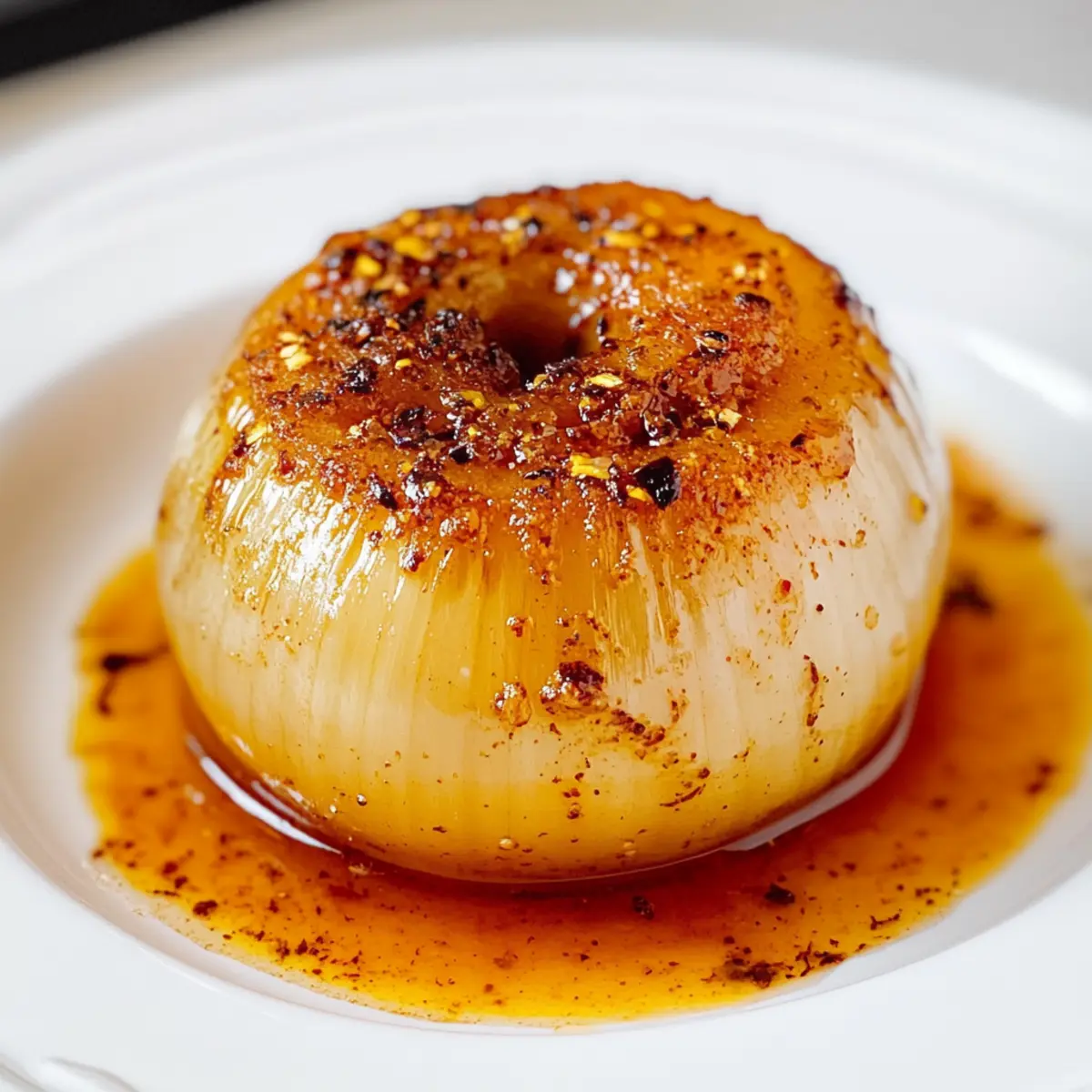
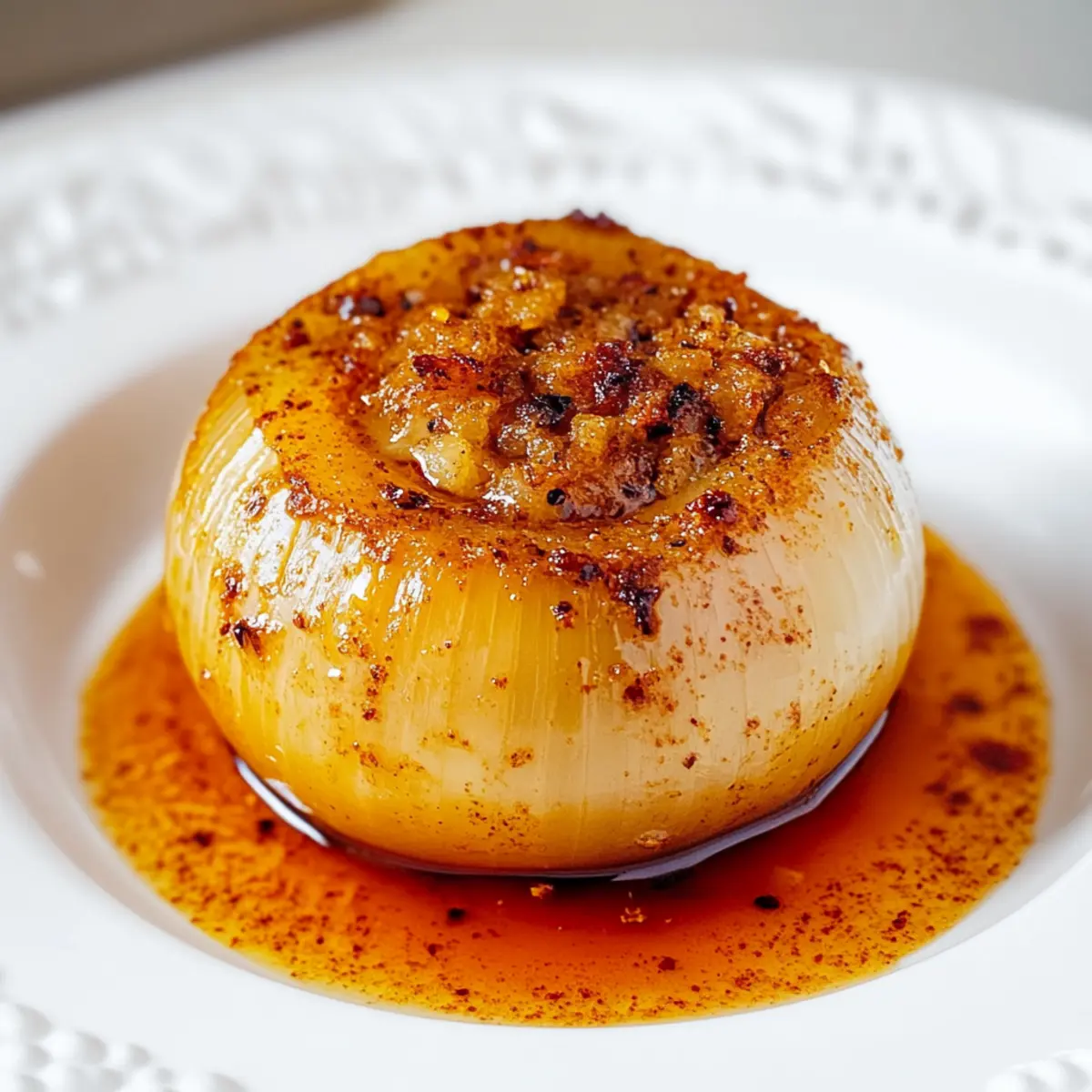
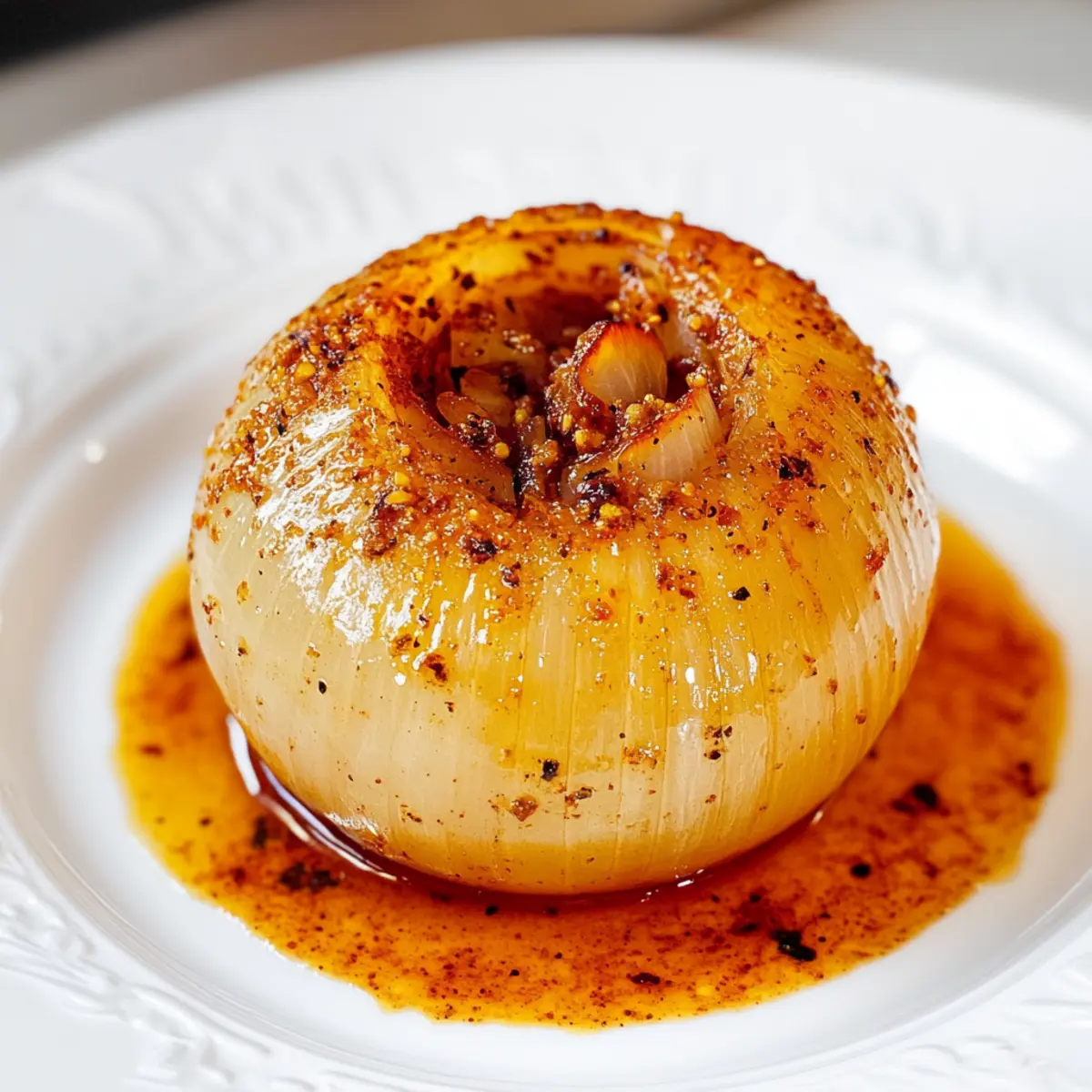
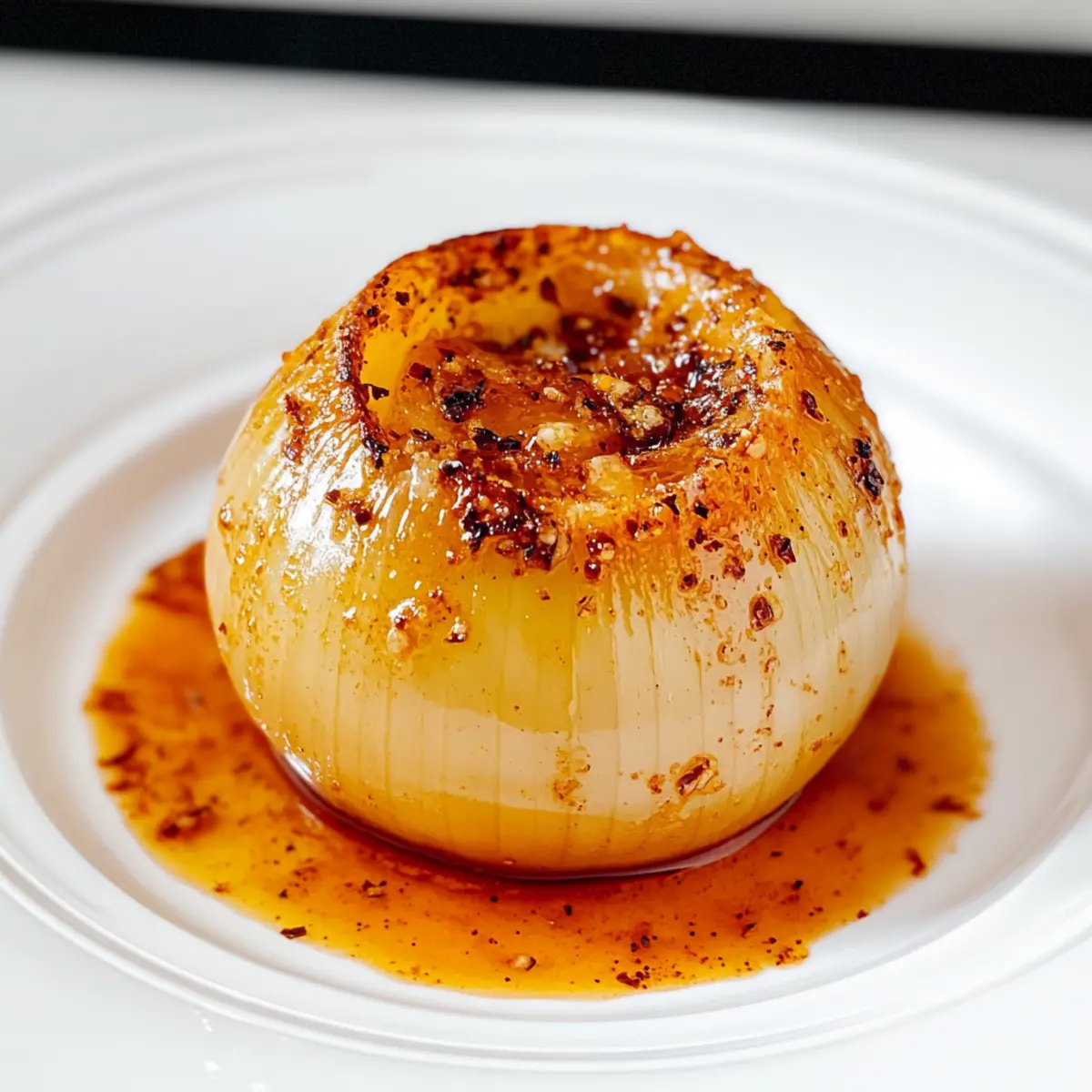
I once overheard a friend marvel at how a simple onion could elevate a meal when prepared just right. Enter the Viral Cajun Butter Roasted Onion Boil—where a humble onion becomes the star of your dinner table! This TikTok sensation is not only incredibly easy to make, but it’s also allergy-friendly, ensuring everyone can enjoy its savory goodness. With a perfect blend of zesty Cajun seasoning and rich butter enveloping the onion, it roasts to tender perfection. The aroma alone is enough to make your mouth water! Plus, this dish is versatile enough to pair beautifully with a variety of sides, making it a fantastic choice for those busy weeknights or cozy gatherings. Are you ready to discover why this onion boil is taking the internet by storm? Let’s dive in!

Why is this onion recipe so special?

Simplicity: This dish requires only a few simple ingredients and basic prep, making it perfect for both novice cooks and seasoned chefs.

Flavor Explosion: The combination of rich butter, zesty Cajun seasoning, and sweet onion results in a savory experience that keeps everyone coming back for more.

Universal Appeal: Whether you’re serving vegan guests or families looking to break free from fast food, this recipe accommodates various dietary needs, ensuring no one feels left out.

Time-Saver: In just over an hour, you can create an impressive side that steals the spotlight at any meal. Pair it with roasted vegetables or a bed of rice for a complete dish!

Versatile: Feel free to experiment with different herbs and flavor profiles—you can easily adapt this recipe to suit any taste preference. Explore variations like Italian herbs for a unique twist!

Onion Boil Ingredients

• Prepare to create slow-roasted bliss!

For the Onion

  • Large Onion – Choose a sweet or yellow onion for a delightful flavor profile.

For the Seasoning

  • Butter – Adds richness; substitute with vegan butter for a dairy-free option.
  • Olive Oil – Enhances flavor during roasting; avocado oil works well too!
  • Salt – Essential for drawing out the onion’s sweetness; use sea salt for the best taste.
  • Cajun Seasoning – Delivers a spicy kick; feel free to adjust the quantity or swap with your favorite herb mix for this onion boil.

Step-by-Step Instructions for Viral Cajun Butter Roasted Onion Boil

Step 1: Preheat the Oven
Begin by preheating your oven to 375°F (190°C). This crucial step ensures that your Viral Cajun Butter Roasted Onion Boil cooks evenly, allowing the flavors to meld beautifully. Make sure to give your oven ample time to reach the desired temperature, which will set the stage for roasting a perfectly tender onion.

Step 2: Prepare the Onion
While the oven heats up, prepare your large onion by slicing off the top center to create a well—scoop approximately ⅓ of the way down. This will be the flavorful reservoir for your butter and seasoning. As you cut, take care not to go all the way through the onion; you want to keep it intact to hold the delicious mixture within.

Step 3: Season the Onion
Place your prepared onion onto a piece of aluminum foil, which will help trap the steam during roasting. Into the well, add your butter and drizzle it with olive oil blended with Cajun seasoning. Then, sprinkle salt and extra spices over the onion’s outer surface, ensuring every inch is seasoned for that flavor-packed bite in your Onion Boil.

Step 4: Wrap the Onion
Once your onion is generously seasoned, wrap it tightly in the aluminum foil, ensuring no steam escapes. Place the foil-wrapped onion in a baking dish or a skillet. This method captures the moisture, allowing the onions to roast beautifully while softening to a tender, silky finish. It’s time to let the oven do its magic!

Step 5: Roast the Onion
Transfer the wrapped onion into the preheated oven and roast for 1 hour. Halfway through, you may want to glance at it to ensure it’s cooking evenly. After 60 minutes, test for tenderness by inserting a fork; it should glide in easily. If it’s still firm, rewrap the onion and roast for an additional 10 minutes until perfectly tender.

Step 6: Broil for Caramelization (Optional)
For an added layer of flavor and a caramelized finish, carefully unwrap the onion and drizzle with extra melted butter and a pinch of salt. Return it to the oven under the broiler for 5-10 minutes, watching closely to prevent burning. This step enhances the sweetness and gives your Viral Cajun Butter Roasted Onion Boil a delightful texture.

Step 7: Serve and Enjoy
Once finished, allow your onion to cool slightly before handling. Gently peel away the outer layers to reveal the flavorful interior. Drizzle some of the juices collected in the foil over your onion. Serve this savory delight with rice or alongside roasted vegetables, and savor the incredible flavors you’ve just created with this unique recipe!

Expert Tips for Onion Boil

Choose the Right Onion: Selecting a large, sweet onion like a Vidalia or yellow onion will ensure maximum flavor and tenderness in your onion boil.

Don’t Skimp on Seasoning: Generously season both the well and exterior of the onion. More Cajun seasoning means more depth of flavor, so feel free to adjust to your taste!

Foil Wrapping is Key: Wrap the onion tightly to trap steam during roasting, preventing it from drying out. A loose wrap can lead to uneven cooking.

Inspect for Tenderness: Always check the onion’s texture with a fork after the initial hour of roasting. It should be fork-tender; if not, continue roasting until it reaches the desired softness.

Caramelization Makes a Difference: For a richer flavor and visually appealing finish, broiling the onion after roasting creates a lovely caramelized crust that adds sweetness to your onion boil.

Variations & Substitutions for Onion Boil

Feel free to make this delicious onion boil your own with some fun and tasty variations!

  • Vegan Butter: Swap regular butter with vegan butter for a completely dairy-free version, keeping the richness intact.
  • Avocado Oil: Use avocado oil instead of olive oil for a different flavor profile and added health benefits during roasting.
  • Herb Twist: Swap out Cajun seasoning for Italian herbs or a mix of dried basil, oregano, and thyme for a Mediterranean flair.
  • Sweet & Savory: Add a touch of maple syrup or honey to the well for a hint of sweetness that perfectly complements the savory flavor.
  • Grain-Stuffed: Consider stuffing the onion layers with pre-cooked quinoa or barley mixed with vegetables and herbs for added nutrition and texture.
  • Heat Factor: Add a pinch of cayenne pepper or red pepper flakes to the Cajun seasoning for an extra kick that spice lovers will adore.
  • Cheesy Delight: For a flavor twist, sprinkle a bit of shredded cheese on top before broiling for a creamy, golden finish.
  • Different Onion Varieties: Explore using red, green, or even shallots for different sweetness levels and flavors, giving each onion boil a fresh character.

Don’t hesitate to unleash your creativity in the kitchen! If you’re looking for more stuffing ideas, check out this stuffed onion recipe. And if you’re in the mood to experiment with seasonings, you might love trying a delightful Italian herb mix with this dish. Enjoy making it your own!

What to Serve with Viral Cajun Butter Roasted Onion Boil

A delightful onion boil deserves equally luscious companions to create a meal that captivates the senses.

  • Creamy Mashed Potatoes: The velvety texture of mashed potatoes provides a comforting balance to the bold flavors of the onion.
  • Crispy Chickpeas: Their crunchy texture and nutty flavor contrast beautifully with the tender onion, adding a satisfying crunch.
  • Roasted Brussels Sprouts: These crispy, caramelized veggies bring a lovely earthiness that complements the rich, buttery taste of the onion.
  • Garlic Butter Rice: Fluffy rice infused with garlic butter creates a perfect base to enjoy the flavors of the onion and soak up its juices.
  • Herbed Quinoa: A nutty, protein-packed side that adds a wholesome touch and enhances the dish’s flavor profile with fresh herbs.
  • Zesty Salad: A crisp salad with lemon vinaigrette introduces brightness and freshness alongside the hearty onion.
  • Chardonnay: A chilled glass of this white wine enhances the meal, highlighting the onion’s savory notes and complementing the Cajun spices.
  • Lemon Sorbet: For dessert, this refreshing treat cleanses the palate and provides a bright finish after enjoying the savory onion.

How to Store and Freeze Onion Boil

Fridge: Store any leftover onion boil in an airtight container in the refrigerator for up to 3 days. Reheat gently in the oven for best results to maintain its tender texture.

Freezer: For longer storage, you can freeze the onion boil wrapped tightly in foil. It will last up to 2 months. When ready to enjoy, thaw in the fridge overnight and reheat in the oven.

Reheating: To reheat, wrap the onion in foil to prevent drying out and place it in a 350°F (175°C) oven until warmed through, about 20-25 minutes, allowing all those delicious Cajun flavors to come back to life.

Serving Suggestion: Use your reheated onion boil as a side dish or sprinkle with fresh herbs before serving to rejuvenate its vibrant flavors for your meal.

Make Ahead Options

These Viral Cajun Butter Roasted Onion Boils are perfect for meal prep enthusiasts! You can prepare the onion by creating the well and adding the butter, olive oil, and Cajun seasoning up to 24 hours in advance, wrapping it tightly in aluminum foil to lock in the flavors and moisture. Store your prepped onion in the refrigerator until you’re ready to roast it. When you’re ready to cook, simply preheat your oven to 375°F (190°C), unwrap the onion, and roast for 1 hour or until fork-tender. This way, you can save time on busy weeknights while still delivering a delicious dish that’s just as mouthwatering as when made fresh!

Viral Cajun Butter Roasted Onion Boil Recipe FAQs

What type of onion should I use for the best flavor?
Absolutely! I recommend using large sweet onions, such as Vidalia or yellow onions, for the best flavor in your onion boil. These varieties bring out a natural sweetness when roasted, enhancing the final dish. If you want a bit more unique flavor, you can experiment with red onions too—they add a lovely color and subtle sharpness to the mix.

How should I store leftover onion boil?
Very! To keep your leftover onion boil fresh, store it in an airtight container in the refrigerator for up to 3 days. Make sure it’s properly sealed to avoid drying out. Reheating in the oven is best—wrap it in foil to maintain its moisture and heat at 350°F (175°C) for about 20-25 minutes until warmed through.

Can I freeze the onion boil?
Absolutely! You can freeze your onion boil for up to 2 months. Simply wrap it tightly in aluminum foil to prevent freezer burn. When you’re ready to enjoy it, transfer it to the fridge overnight to thaw. To reheat, place it in a preheated oven at 350°F (175°C) wrapped in foil for about 20-25 minutes until it’s warmed through and delicious again.

What should I do if the onion isn’t tender after roasting?
No worries! If your onion isn’t tender after the initial 1-hour roasting, simply rewrap it and continue roasting for another 10 minutes. It’s important to check by piercing it with a fork; it should glide through easily. If you find it’s still a bit firm after another 10 minutes, keep a close eye on it and roast in small increments until you reach that perfect tenderness.

Are there any dietary considerations I should be aware of?
Very! This recipe is vegan, gluten-free, and nut-free, making it a fantastic option for individuals with dietary restrictions. If you’re serving guests who may have allergies, just ensure that the Cajun seasoning you use is also free from gluten or any other allergens. Additionally, feel free to substitute butter with vegan versions for those avoiding dairy.

What can I serve with the onion boil?
Absolutely! This onion boil pairs beautifully with a variety of sides. Consider serving it over a fluffy bed of rice, alongside crispy roasted chickpeas, or with other roasted vegetables like Brussels sprouts. The versatility of this dish allows it to complement many flavors, making it a unique centerpiece at your dinner table.

undefined

Savory Viral TikTok Onion Boil That's Pure Comfort Bliss

Discover the Viral Cajun Butter Roasted Onion Boil, a savory dish that makes any dinner a delight!
Prep Time 15 minutes
Cook Time 1 hour
Cooling Time 10 minutes
Total Time 1 hour 25 minutes
Servings: 4 servings
Course: Dinner
Cuisine: Cajun
Calories: 150

Ingredients
  

Onion Boil Ingredients
  • 1 large Onion Choose a sweet or yellow onion for flavor.
  • 2 tablespoon Butter Substitute with vegan butter for dairy-free option.
  • 1 tablespoon Olive Oil Avocado oil works as well.
  • 1 teaspoon Salt Use sea salt for the best taste.
  • 1 tablespoon Cajun Seasoning Adjust quantity or swap with your favorite herb mix.

Equipment

  • Oven
  • Aluminum foil
  • baking dish
  • Skillet

Method
 

Step-by-Step Instructions
  1. Preheat the oven to 375°F (190°C).
  2. Prepare the onion by slicing off the top center to create a well.
  3. Season the onion with butter, olive oil, Cajun seasoning, and salt.
  4. Wrap the onion tightly in aluminum foil.
  5. Roast the onion in the preheated oven for 1 hour.
  6. (Optional) Broil the onion for 5-10 minutes for caramelization.
  7. Serve the onion with juices collected in the foil.

Nutrition

Serving: 1onionCalories: 150kcalCarbohydrates: 14gProtein: 2gFat: 10gSaturated Fat: 6gPolyunsaturated Fat: 1gMonounsaturated Fat: 3gCholesterol: 20mgSodium: 400mgPotassium: 200mgFiber: 2gSugar: 2gVitamin A: 500IUVitamin C: 10mgCalcium: 20mgIron: 0.5mg

Notes

Store leftovers in an airtight container in the fridge for up to 3 days, or freeze for up to 2 months. Reheat gently to maintain tenderness.

Tried this recipe?

Let us know how it was!

Balsamic Roasted Cherry Tomatoes That Transform Your Meals

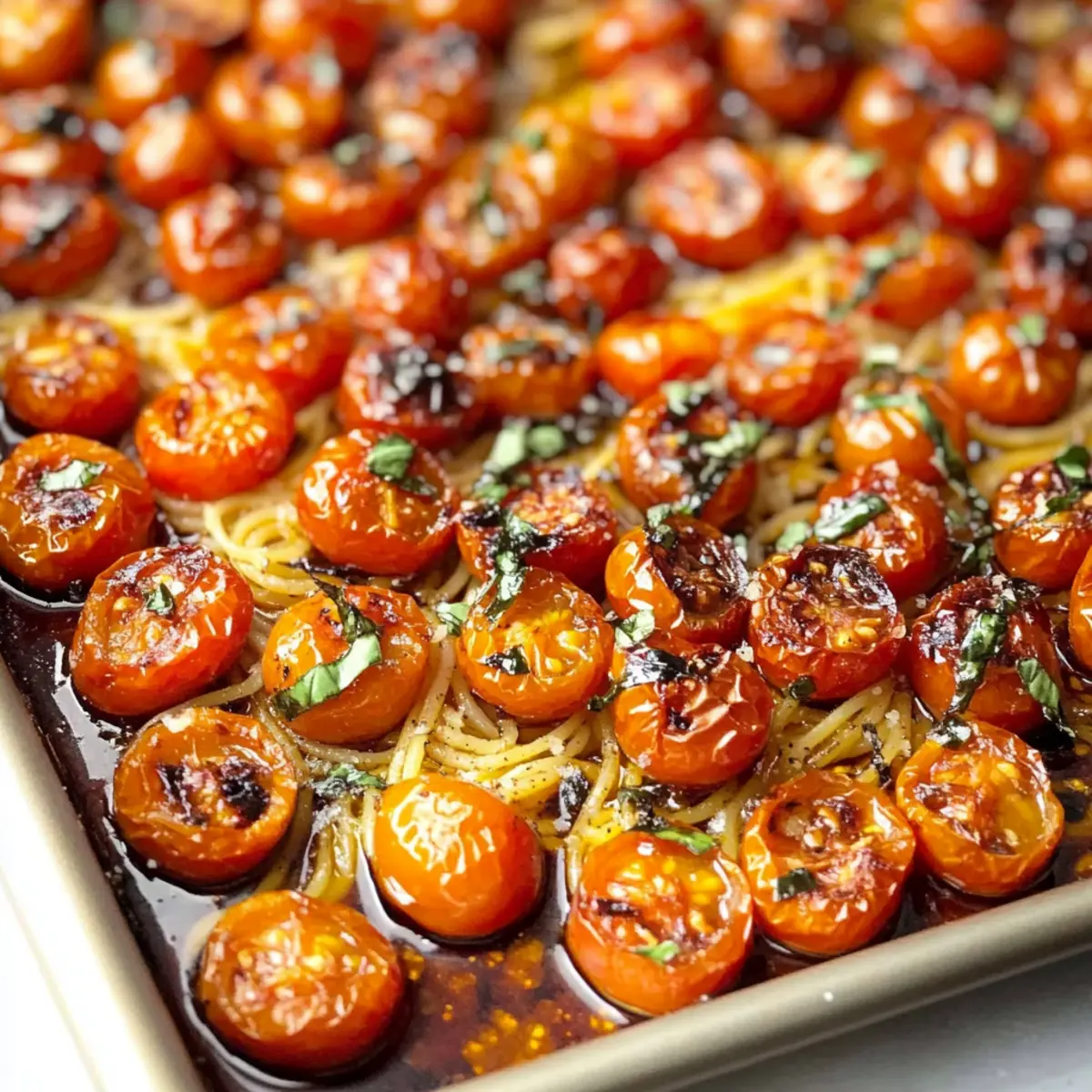
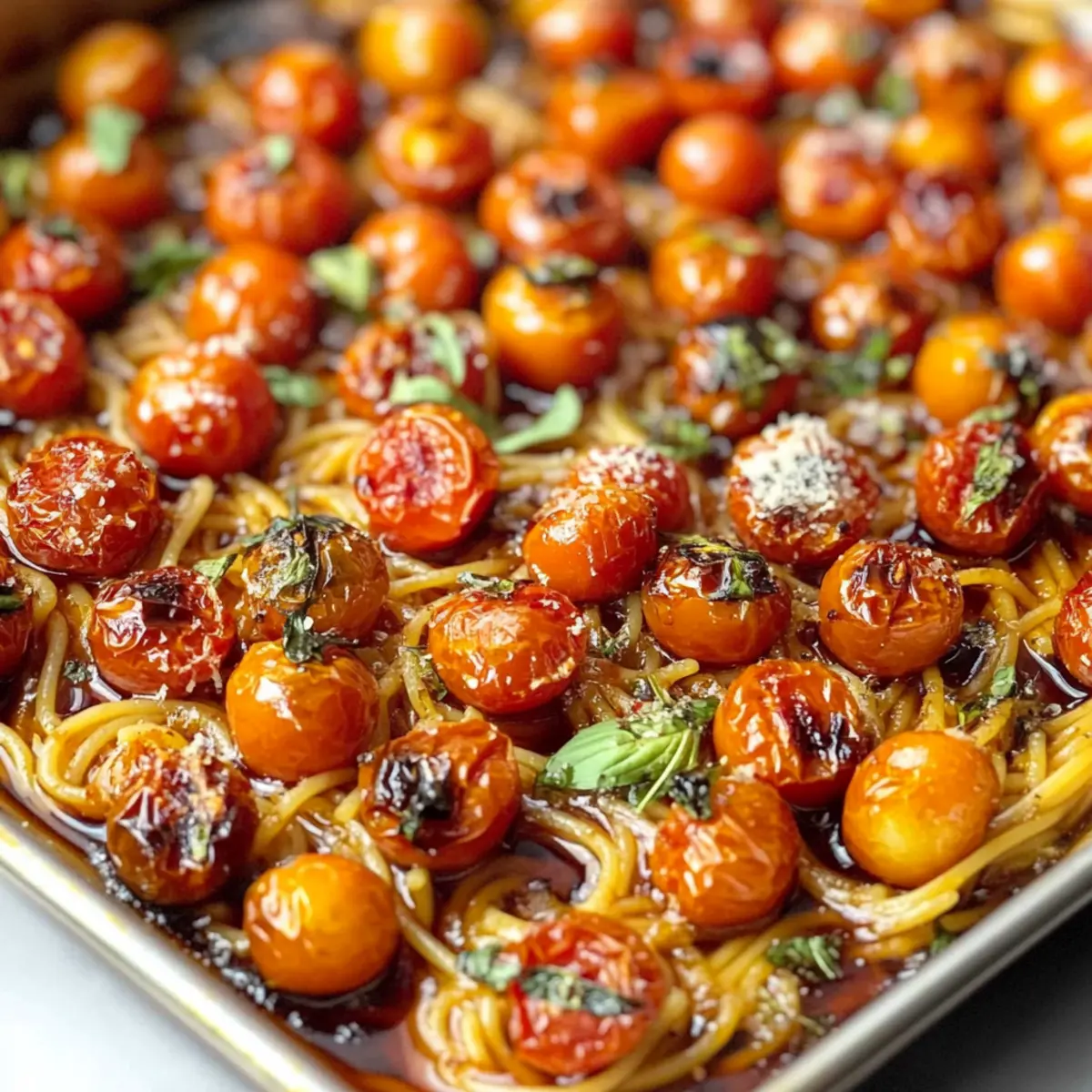
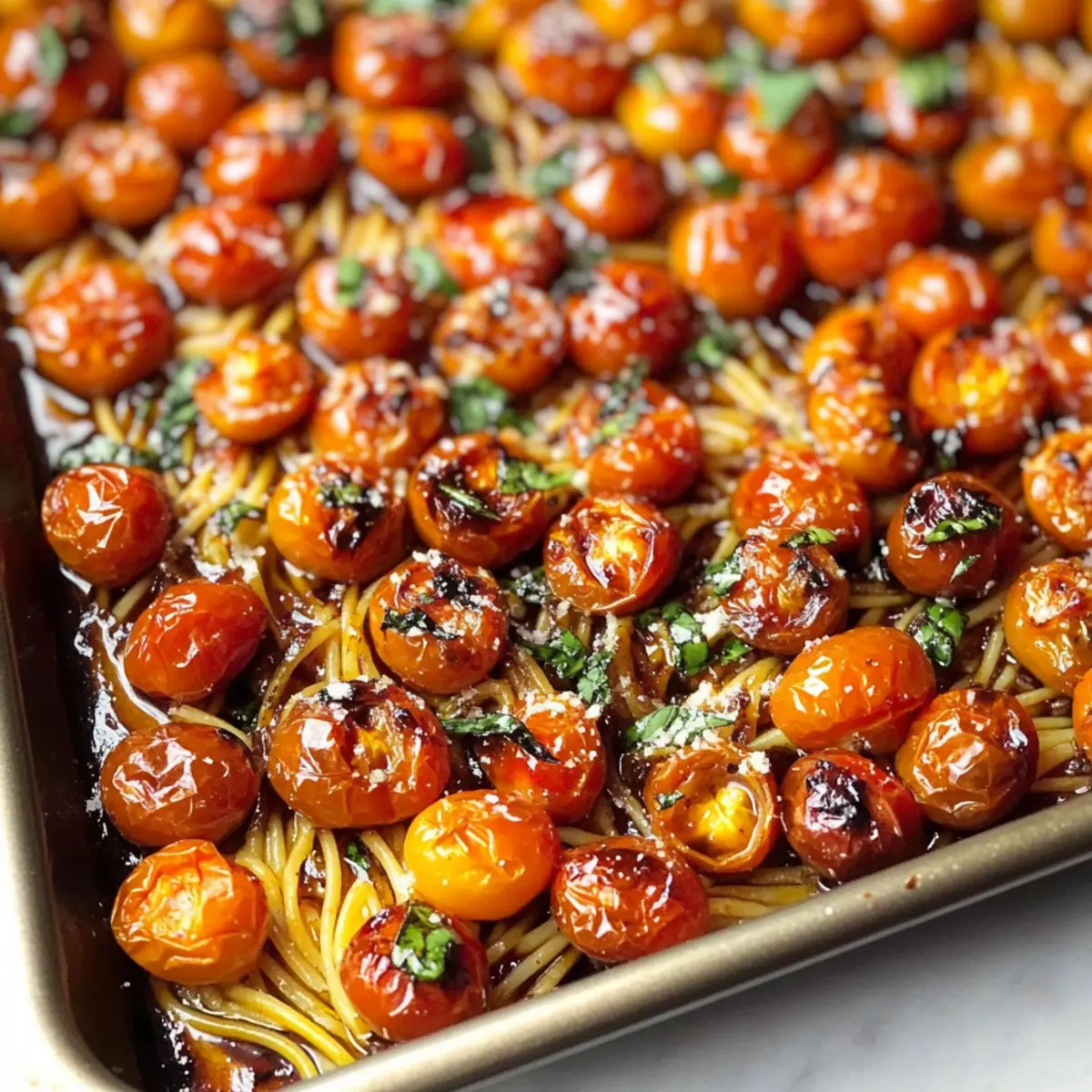
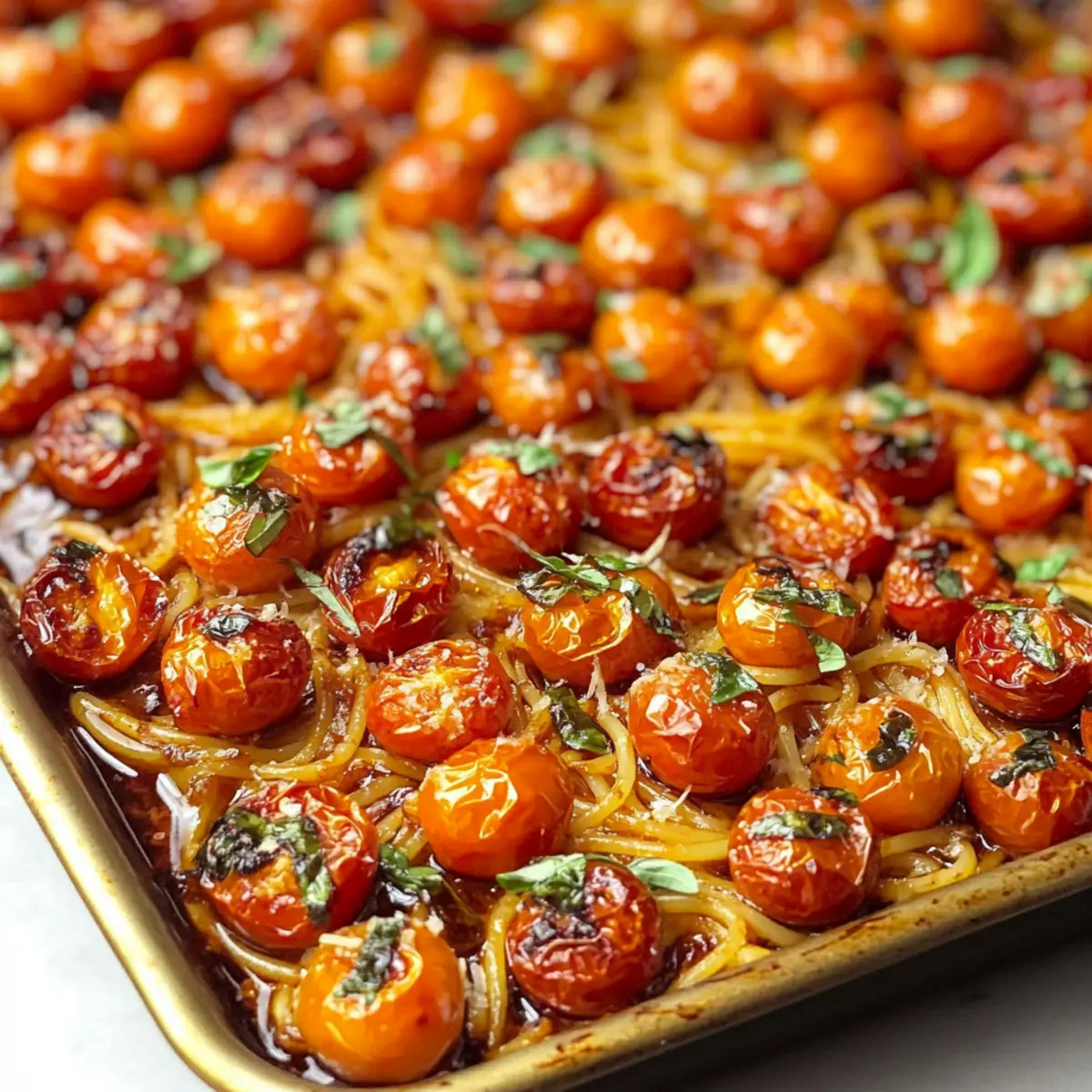
As I pulled the roasting pan from the oven, the sweet aroma of balsamic roasted cherry tomatoes enveloped my kitchen, instantly sparking joy. This vibrant dish transforms simple ingredients into a lush condiment that’s perfect for any meal. These Balsamic Roasted Cherry Tomatoes are not only a dream to prepare—requiring minimal effort—but they also bring a burst of color and flavor to everything from pasta to salads, making them an uncomplicated yet impressive addition to your dinner table. Plus, they are naturally gluten-free and vegetarian, catering to various dietary needs without sacrificing taste. Curious how these little gems can elevate your homemade creations? Let’s dive into the delectable details!

Why Are Balsamic Roasted Tomatoes a Must-Try?

Versatile Wizardry: These balsamic roasted cherry tomatoes can do it all! Use them in pasta, atop grilled meats, or mixed into salads for a punch of flavor.

Effortless Gourmet: With minimal prep and cooking time, you can whip up this delicious dish, impressing guests with your culinary skills without breaking a sweat.

Rich, Sweet Flavor: The combination of aged balsamic and roasting transforms ordinary tomatoes into a rich, tangy delight that brightens any meal.

Healthy Indulgence: Naturally gluten-free and vegetarian, they cater to a variety of dietary preferences, proving that flavor and health can go hand in hand.

Eye-Catching Appeal: Their vibrant color makes for a stunning presentation, perfect for gatherings or weekday dinners alike.

Dive into this transformative recipe, and don’t forget to check out creative serving ideas to make the most of these luscious tomatoes!

Balsamic Roasted Cherry Tomato Ingredients

• The secret to those vibrant Balsamic Roasted Cherry Tomatoes lies within these simple yet flavorful ingredients.

For the Roasting

  • Cherry Tomatoes – Use ripe, halved cherry tomatoes for that sweet, juicy burst; grape tomatoes can be a great substitute.
  • Olive Oil – Extra virgin olive oil adds richness; feel free to swap with avocado oil if needed.
  • Garlic – Fresh garlic provides aromatic flavor; adjust the amount to taste, or use garlic powder in a pinch.
  • Fresh Thyme – This herb adds a delightful note; dried thyme can be a substitute, using 2 teaspoons instead of 2 tablespoons.
  • Aged Balsamic Vinegar – Enhances the sweet and tangy profile; standard balsamic works well if aged isn’t available.
  • Granulated Sugar – Balances the acidity beautifully; honey is a great alternative or you can omit it for a less sweet option.
  • Salt and Pepper – Essential for seasoning to taste.

For the Pasta

  • Pasta (Spaghetti or Fettuccini) – Use your choice as the base; whole wheat or gluten-free varieties are excellent options.
  • Fresh Basil – Incorporates an earthy freshness; parsley can stand in if basil isn’t on hand.
  • Shaved Parmesan Cheese – Adds creaminess and texture to the dish; replace with nutritional yeast for a vegan alternative.

Unlock the magic of these ingredients for your next meal, and watch as they transform your dish into a culinary masterpiece!

Step‑by‑Step Instructions for Vibrant Balsamic Roasted Cherry Tomatoes for Pasta and More

Step 1: Preheat Oven
Begin by preheating your oven to 400°F (200°C). While it heats up, grab a large baking sheet and line it with parchment paper for easier cleanup. This step is crucial as the hot oven will help roast the cherry tomatoes to perfection, enhancing their sweet flavor while creating a delightful caramelization.

Step 2: Prepare Tomatoes
Rinse the ripe cherry tomatoes under cold water, then pat them dry with a clean kitchen towel. Cut each tomato in half and place them cut-side up on the prepared baking sheet, ensuring they are evenly spaced to promote even roasting. Their vibrant colors will brighten your kitchen, promising a burst of flavor.

Step 3: Season Tomatoes
Drizzle extra virgin olive oil and aged balsamic vinegar generously over the halved tomatoes. Sprinkle minced garlic, fresh thyme, and granulated sugar evenly on top. Using your hands or a spatula, gently toss everything together, ensuring the tomatoes are well coated in the tasty mixture, preparing them for the oven.

Step 4: Spread and Roast
Arrange the seasoned tomatoes in a single layer on the baking sheet, making sure they don’t overlap. Sprinkle with salt and pepper to taste. Roast in the preheated oven for 30-40 minutes, or until the tomatoes are wrinkled, and their juices have thickened, creating a luscious sauce reminiscent of homemade marinara.

Step 5: Cook Pasta
While the cherry tomatoes roast, bring a large pot of salted water to a boil for your pasta. Once boiling, add your choice of spaghetti or fettuccini and cook according to package instructions until al dente. Drain the pasta, reserving a cup of the starchy pasta water to help create a silky sauce later.

Step 6: Combine
In a large serving bowl, add the hot pasta and the roasted cherry tomatoes along with their delicious juices. Toss in freshly chopped basil and shaved Parmesan cheese, ensuring everything is well combined. If the mixture is too thick, add a bit of the reserved pasta water, stirring until you achieve your desired consistency for a heavenly dish.

What to Serve with Vibrant Balsamic Roasted Cherry Tomatoes

Elevate your meal with these delightful pairings that enhance the vibrant flavors of roasted cherry tomatoes.

  • Creamy Mashed Potatoes: Rich and buttery, these potatoes provide a comforting contrast to the tangy sweetness of the tomatoes.

  • Garlic Toast: Crunchy, toasted bread drizzled with garlic oil perfectly balances the juicy tomatoes, making an irresistible side.

  • Quinoa Salad: Light and nutritious, quinoa offers a nutty flavor that complements the bright acidity of the balsamic tomatoes, creating a refreshing dish.

  • Grilled Chicken: Juicy, tender chicken marinated with herbs enhances the meal’s protein profile, beautifully pairing with the roasted tomato’s sweetness.

  • Zucchini Noodles: For a low-carb alternative, zucchini noodles add a fresh element, soaking up the luscious tomato sauce for a healthy twist.

  • Crisp White Wine: A chilled Sauvignon Blanc or Pinot Grigio highlights the flavors of the dish, adding an elegant touch to your dining experience.

  • Basil Pesto: This fragrant and herby sauce intensifies the freshness of the tomatoes, making a perfect accompaniment in pasta dishes or drizzled over grilled veggies.

These pairings will transform your culinary adventure, making every bite a celebration of flavor and harmony!

Balsamic Roasted Cherry Tomatoes Variations

Feel free to personalize your balsamic roasted cherry tomatoes and elevate your meals with these delightful twists!

  • Dairy-Free: Skip the Parmesan and use nutritional yeast instead for a cheesy flavor without the dairy.

  • Herb Infusion: Replace thyme with rosemary or oregano for a different aromatic profile; both add wonderful depth.

  • Spice It Up: Add a pinch of red pepper flakes before roasting for a delightful kick that will awaken your taste buds.

  • Vegetable Boost: Toss in zucchini or bell peppers alongside the tomatoes for added color and nutrition; they will roast beautifully together.

  • Sweet Twist: For a unique touch, try adding a drizzle of maple syrup in place of sugar; the combination with balsamic is divine.

  • Grilled Goodness: After roasting, grill the tomatoes for a few minutes to intensify their flavor and give them lovely charred marks.

  • Pasta Upgrade: Swap traditional pasta with zucchini noodles for a lighter, low-carb meal that still delivers on flavor.

  • Roasted Garlic: Add whole cloves of garlic to roast alongside the tomatoes for a more intense garlic flavor and a creamy texture when crushed.

These variations can inspire even the simplest of meals! You can also explore more creative serving ideas to make the most of these delicious tomatoes.

How to Store and Freeze Balsamic Roasted Cherry Tomatoes

Fridge: Store leftovers in an airtight container for up to 3 days. These vibrant tomatoes can be enjoyed cold in salads or reheated for a warm dish.

Freezer: For longer storage, freeze the roasted tomatoes in a single layer on a baking sheet. Once frozen, transfer them to a zip-top bag for up to 3 months.

Reheating: To reheat, simply warm them in the microwave or on the stovetop. Add a splash of olive oil or some reserved pasta water for the best flavor and consistency.

Room Temperature: Balsamic roasted cherry tomatoes should not be left out at room temperature for more than 2 hours to ensure freshness and safety.

Expert Tips for Balsamic Roasted Cherry Tomatoes

  • Perfect Timing: Start boiling your pasta water 15-20 minutes after placing the tomatoes in the oven. This ensures everything is perfectly timed and served warm.

  • Avoid Overcrowding: Spread the tomatoes in a single layer on the baking sheet. Overlapping leads to steaming instead of roasting, preventing that delicious caramelization.

  • Sugar Adjustment: If using honey instead of granulated sugar, add a smaller amount, as it’s sweeter. Too much sugar can overpower the natural tomato flavor.

  • Texture Control: When combining the roasted tomatoes with pasta, add the reserved pasta water gradually. This keeps the sauce from becoming too runny while enhancing the dish’s overall flavor.

  • Fresh Herb Substitutes: If fresh basil isn’t available, try using parsley or dried herbs. Either will add a delightful twist to your balsamic roasted cherry tomatoes without sacrificing taste.

  • Storage Tips: Store any leftovers in an airtight container in the refrigerator for up to three days. These Balsamic Roasted Cherry Tomatoes are delicious cold or reheated!

Make Ahead Options

These Balsamic Roasted Cherry Tomatoes are perfect for meal prep, simplifying your weeknight cooking! You can prepare the roasted tomatoes up to 3 days in advance; simply roast as directed and allow them to cool completely before transferring to an airtight container. To maintain their quality and flavor, store them in the refrigerator until you’re ready to use them. When it’s time to serve, just reheat gently in a pan or microwave, and toss them with freshly cooked pasta along with the basil and Parmesan for a fresh and vibrant dish. This approach not only saves time but ensures you can enjoy a delicious meal with minimal effort, making your busy weeknights a little easier!

Balsamic Roasted Cherry Tomatoes Recipe FAQs

What should I look for when selecting cherry tomatoes?
Absolutely! Choose ripe cherry tomatoes that are bright in color, firm to the touch, and free of dark spots or blemishes. A good indicator of ripeness is a slight give when gently pressed. If you’re substituting, grape tomatoes are a great alternative, as they have a similar sweetness.

How should I store leftovers of Balsamic Roasted Cherry Tomatoes?
These delicious roasted tomatoes can be stored in an airtight container in the refrigerator for up to 3 days. For best results, reheat them gently in the microwave or on the stovetop. They can also be enjoyed cold, making them perfect for salads or on sandwiches!

Can I freeze Balsamic Roasted Cherry Tomatoes?
Absolutely! To freeze, spread the roasted tomatoes in a single layer on a baking sheet and freeze until solid. Then, transfer them to a zip-top bag. They can be stored for up to 3 months. When you’re ready to use them, simply reheat directly from the freezer—perfect to add into soups or pasta dishes!

What should I do if my sauce is too thin when combining with pasta?
Great question! If you find the sauce is too thin after mixing the roasted tomatoes with pasta, start by adding small amounts of the reserved pasta water—just a tablespoon at a time—until you achieve the desired consistency. This starchy water helps to bind the flavors together beautifully without losing the delicious essence of the roasted tomatoes.

Are there any dietary considerations for Balsamic Roasted Cherry Tomatoes?
Very! This recipe is naturally gluten-free and vegetarian. However, if you have allergies, be mindful when adding ingredients like Parmesan cheese; you can easily substitute with nutritional yeast for a vegan option. Also, if you’re serving this dish to pets, keep in mind that garlic can be harmful to dogs; it’s best to keep this dish out of their reach!

Can I use other types of oil instead of olive oil?
Of course! While extra virgin olive oil is recommended for its rich flavor, you can substitute it with avocado oil for a healthier option or even grapeseed oil. Each oil brings a unique taste, so feel free to experiment with what you have on hand—we’re all about making cooking accessible and fun!

undefined

Balsamic Roasted Cherry Tomatoes That Transform Your Meals

Balsamic roasted cherry tomatoes elevate meals effortlessly with their rich flavor and vibrant color.
Prep Time 10 minutes
Cook Time 40 minutes
Total Time 50 minutes
Servings: 4 servings
Course: Pasta
Cuisine: Italian
Calories: 250

Ingredients
  

For the Roasting
  • 2 cups Cherry Tomatoes halved
  • 2 tablespoons Olive Oil extra virgin
  • 3 cloves Garlic minced
  • 2 tablespoons Fresh Thyme
  • 2 tablespoons Aged Balsamic Vinegar
  • 1 tablespoon Granulated Sugar or honey
  • to taste Salt
  • to taste Pepper
For the Pasta
  • 8 ounces Pasta (Spaghetti or Fettuccini)
  • 1 cup Fresh Basil chopped
  • 1/2 cup Shaved Parmesan Cheese

Equipment

  • Oven
  • Baking Sheet
  • Parchment Paper
  • Pot

Method
 

Step-by-Step Instructions
  1. Preheat your oven to 400°F (200°C) and line a baking sheet with parchment paper.
  2. Rinse and dry the cherry tomatoes, cut them in half, and place cut-side up on the baking sheet.
  3. Drizzle olive oil and balsamic vinegar over the tomatoes, then sprinkle with garlic, thyme, and sugar. Toss to coat.
  4. Spread the tomatoes in a single layer on the baking sheet and season with salt and pepper. Roast for 30-40 minutes.
  5. Boil salted water for the pasta, cook according to package instructions, and reserve 1 cup of pasta water before draining.
  6. In a serving bowl, combine the hot pasta and roasted tomatoes, toss in basil and Parmesan cheese, adding reserved pasta water as needed.

Nutrition

Serving: 1servingCalories: 250kcalCarbohydrates: 30gProtein: 6gFat: 10gSaturated Fat: 2gPolyunsaturated Fat: 1gMonounsaturated Fat: 7gCholesterol: 5mgSodium: 300mgPotassium: 600mgFiber: 4gSugar: 5gVitamin A: 500IUVitamin C: 30mgCalcium: 150mgIron: 1.5mg

Notes

Store leftovers in an airtight container for up to 3 days. Roasted tomatoes can be enjoyed cold or reheated.

Tried this recipe?

Let us know how it was!

Crispy Pan Fried Salmon Croquettes You’ll Want to Make Tonight

The scent of sizzling oil and herbs wafts through my kitchen as I drop the first batch of my Crispy Pan Fried Salmon Croquettes into the hot skillet. With every pop and crackle, I’m reminded of the joy that comes from creating something both delicious and visually stunning. This recipe is a delightful assembly of fresh salmon, creamy mashed potatoes, and tantalizing spices, making it a wonderful option for any meal—be it a casual dinner or a festive gathering. It’s effortlessly impressive yet simple enough for a weeknight. Plus, these croquettes are freezer-friendly and can easily accommodate gluten-free needs with a quick swap of breadcrumbs. What’s better than a dish that pleases the whole family and warms the soul? Ready to discover the secrets to these scrumptious bites? Let’s dive into the recipe!

Why Are Salmon Croquettes So Irresistible?

Crispiness is key! These croquettes boast a delectably crunchy exterior, making each bite a delight. Versatile Options allow you to use either fresh or canned salmon, making it easy to whip up regardless of what you have on hand. Meal Prep Friendly means you can freeze them for a quick dinner solution or cook them up fresh for a special occasion. Plus, with the option for gluten-free breadcrumbs, everyone can enjoy them! Impress Your Guests with these delicious bites, perfect for a gathering or a cozy family dinner. Don’t forget to serve them with a zesty remoulade for that added punch!

Crispy Pan Fried Salmon Croquettes Ingredients

• Get ready for an irresistible blend of flavors and textures with these Crispy Pan Fried Salmon Croquettes!

For the Croquette Mixture

  • Salmon Fillet – Provides the delicious main protein and flavor; skin can be left on or removed.
  • Leftover Mashed Potatoes – Acts as a binder for a light texture; substitute with freshly cooked Russet potatoes if needed.
  • Kosher Salt – Essential for enhancing the overall flavor of the salmon.
  • Freshly Ground Black Pepper – Adds mild heat; feel free to adjust according to your personal taste.
  • Old Bay Seasoning – Introduces a hint of spice that enhances the seafood flavor.
  • Dijon Mustard – Brings a tangy kick; yellow mustard can be used as a substitute if desired.
  • Shallot – Finely chopped, it contributes a mild onion flavor, making the croquettes even more savory.
  • Garlic – Roughly chopped for better aromatic depth; adds a wonderful savory note.
  • Seasoned Breadcrumbs – Provides structure and crunch; swap for gluten-free breadcrumbs to keep it gluten-free if necessary.

For Sautéing

  • Unsalted Butter – Melted to sauté shallots, adding a rich flavor to the mixture.
  • Neutral Oil – Used for frying and to achieve that perfect crispy texture; grapeseed, canola, or avocado oil are good choices.

For Serving

  • Fresh Parsley – Adds a touch of freshness and beautiful color as a garnish.
  • Remoulade Sauce – Suggested for serving; feel free to swap for tartare sauce or garlic aioli for a different spin.

Get ready to create something delicious! These crispy pan fried salmon croquettes are an exciting way to elevate your home-cooked meals!

Step-by-Step Instructions for Crispy Pan Fried Salmon Croquettes

Step 1: Make the Remoulade Sauce
Start by preparing the remoulade sauce, allowing the flavors to meld beautifully. In a bowl, combine mayonnaise, Dijon mustard, chopped capers, fresh herbs, and a squeeze of lemon juice. Stir well until everything is blended, and then cover and refrigerate to let the sauce thicken as you cook the salmon for your crispy pan fried salmon croquettes.

Step 2: Cook the Salmon
Preheat your oven to 375°F (190°C). Place the salmon fillet on a parchment-lined baking sheet, drizzle with neutral oil, and season generously with kosher salt and freshly ground black pepper. Bake for about 15-20 minutes, or until the salmon easily flakes and reaches an internal temperature of 130°F (54°C). Let it cool before removing the skin and flaking it into pieces.

Step 3: Sauté Shallots and Garlic
In a medium skillet over medium heat, melt 2 tablespoons of unsalted butter. Add the finely chopped shallots and sauté until they become translucent, about 3 minutes. Add the roughly chopped garlic and process for an additional minute until fragrant, stirring continuously to prevent browning. This aromatic base adds depth to your crispy pan fried salmon croquettes.

Step 4: Form the Croquettes
In a large mixing bowl, combine the flaked salmon, leftover mashed potatoes, seasoned breadcrumbs, sautéed shallots, Old Bay seasoning, and Dijon mustard. Use your hands to mix until just combined. Form the mixture into oval-shaped croquettes using about 3 tablespoons per croquette. This forms the basis of your delicious crispy pan fried salmon croquettes.

Step 5: Pan Fry the Croquettes
Heat a generous amount of neutral oil in a large skillet over medium heat until it reaches 375°F (190°C). Carefully add the croquettes to the hot oil without overcrowding the pan. Fry for 2-3 minutes on each side or until they achieve a golden brown color, indicating that perfect crispiness. Transfer fried croquettes to a paper towel-lined plate and season immediately with salt.

Step 6: Serve Hot
Arrange the crispy pan fried salmon croquettes on a serving platter. Garnish with freshly chopped parsley for a pop of color and freshness. Serve these delectable bites hot, alongside the prepared remoulade sauce for dipping. Enjoy the crispy texture and rich flavor profiles that make these croquettes a delightful meal addition!

Crispy Pan Fried Salmon Croquettes Variations

Feel free to mix and match these suggestions to create a dish that feels uniquely yours!

  • Dairy-Free: Swap out butter for olive oil or a dairy-free margarine to keep things creamy and vegan.
  • Canned Salmon: For a quick alternative, use drained canned salmon to save time without sacrificing flavor.
  • Gluten-Free: Replace seasoned breadcrumbs with gluten-free options to accommodate dietary needs without missing out on that crunch.
  • Herb Boost: Add fresh herbs like dill or chives into your mixture for an aromatic uplift. They’ll bring added brightness to every bite.
  • Spicy Kick: Mix in a teaspoon of red pepper flakes or finely chopped jalapeños for those who crave a little heat.
  • Vegetable Twist: Incorporate some finely diced bell peppers or spinach for a nutritional boost and extra color. The added vegetables will provide a delightful texture contrast.
  • Smashed Potato Base: Instead of classic mashed potatoes, use leftover garlic mashed potatoes for an even richer flavor profile.
  • Zesty Substitution: Try substituting the remoulade with homemade tzatziki for a refreshing Mediterranean touch.

No matter how you choose to adapt these croquettes, your family will love the delicious varieties! Looking for inspiration? You might enjoy our article on Cooking with Canned Salmon or explore easy ideas for Meal Prep Recipes that save time without sacrificing flavor.

What to Serve with Crispy Pan Fried Salmon Croquettes

Transform your meal into a culinary delight by pairing these tasty bites with the perfect complements.

  • Crisp Green Salad: A fresh salad with mixed greens, cucumbers, and a light vinaigrette provides a refreshing contrast to the croquettes’ richness. It’s a delightful way to enhance the meal’s balance with something crisp and vibrant.

  • Zesty Coleslaw: Creamy, tangy coleslaw offers a crunchy texture that complements the savory salmon beautifully, while its vibrant colors bring a joyful presentation to your table.

  • Garlic Aioli: Serve with a side of homemade garlic aioli for a creamy dipping experience that adds extra flavor while enhancing the overall richness of the croquettes.

  • Herbed Quinoa: Light, fluffy quinoa garnished with fresh herbs not only provides a nutritious side but also balances the flavors, making it an excellent choice for a wholesome meal.

  • Sweet Potato Fries: The slight sweetness of crispy sweet potato fries contrasts delightfully with the savory croquettes, creating a fun twist on traditional frying.

  • Chilled White Wine: A glass of crisp Chardonnay or Sauvignon Blanc harmonizes wonderfully, cutting through the richness of the salmon with its refreshing acidity.

  • Lemon Sorbet: End the meal on a light note with a lemon sorbet. Its bright citrus flavor cleanses the palate and refreshes after a savory feast, leaving your guests beaming.

  • Herb-Infused Rice: Fluffy rice cooked with fresh herbs introduces lovely textures and an aromatic flair, making for a comforting base beneath your scrumptious croquettes.

How to Store and Freeze Crispy Pan Fried Salmon Croquettes

Fridge: Store leftover croquettes in an airtight container for up to 3 days. Reheat them in a skillet or oven to retain their crispy texture.

Freezer: For longer storage, freeze uncooked croquettes for up to 3 months. Arrange them on a baking sheet to freeze individually, then transfer to containers or bags.

Reheating: To reheat, bake frozen croquettes at 400°F (200°C) for about 20-25 minutes until heated through and crispy. Serve with remoulade sauce for a delightful treat!

Expert Tips for Crispy Salmon Croquettes

  • Consistency is Key: Use a ¼ cup measuring cup to ensure all croquettes are uniform in size, which helps them cook evenly and maintain perfect crispy texture.
  • Add Binding: If you’re concerned about the mixture holding together, consider adding an egg; however, it’s generally not necessary for these delicious crispy pan fried salmon croquettes.
  • Hot Oil Matters: Ensure the oil is sufficiently heated before frying. This prevents soggy croquettes and guarantees that lovely golden exterior you crave!
  • Storage Solutions: Refrigerate any leftovers in an airtight container for up to 3 days, or freeze uncooked croquettes for up to 3 months for an easy meal later.
  • Flavor Enhancements: Don’t hesitate to mix in fresh herbs like chives or green onions for an extra layer of flavor in your crispy salmon croquettes.

Make Ahead Options

These Crispy Pan Fried Salmon Croquettes are perfect for meal prep enthusiasts! You can prepare the croquette mixture up to 24 hours in advance by combining the flaked salmon, mashed potatoes, breadcrumbs, sautéed shallots, Old Bay seasoning, and Dijon mustard. Simply refrigerate the mixture in an airtight container to maintain freshness. When you’re ready to serve, form the croquettes and pan fry them for a quick 2-3 minutes on each side until golden brown. This allows you to savor the delightful flavors with minimal effort during busy weeknights or special occasions. Plus, the finished croquettes can be stored in the refrigerator for up to 3 days or frozen uncooked for up to 3 months, making them just as delicious when reheated!

Crispy Pan Fried Salmon Croquettes Recipe FAQs

What type of salmon is best for making croquettes?
Using fresh salmon fillets is ideal as they provide a rich flavor and flaky texture. However, canned salmon is a convenient alternative that still delivers delicious results. Just make sure to drain it well before mixing with the other ingredients!

How should I store leftover salmon croquettes?
Store any leftover croquettes in an airtight container in the refrigerator for up to 3 days. When you’re ready to enjoy them again, reheat them in a skillet over medium heat or in the oven to help regain that crispy texture.

Can I freeze uncooked salmon croquettes?
Absolutely! You can freeze uncooked croquettes for up to 3 months. To do this, arrange them on a baking sheet lined with parchment paper to freeze individually first. Once they’re frozen solid, transfer them to airtight containers or freezer bags for longer storage. Just ensure to label the bags for easy access!

Why are my croquettes falling apart while frying?
If your croquettes are falling apart, the mixture may be too dry or lacking a binding agent. You can add an egg to the mixture to help it hold together better. Additionally, ensure you’re forming them tightly and using enough breadcrumbs; this should help with the structure.

Can I make these croquettes gluten-free?
Yes! This recipe can easily be made gluten-free by substituting regular breadcrumbs with gluten-free breadcrumbs. Just make sure to check that the other ingredients, like Dijon mustard and remoulade sauce, are also gluten-free.

What if I have leftovers? Can I reheat them?
Leftover croquettes can be reheated in the oven or a skillet. For the oven, preheat it to 375°F (190°C) and warm the croquettes for about 10-15 minutes until they’re heated through and crispy. If using a skillet, just a drizzle of oil will help them crisp back up nicely!

These Crispy Pan Fried Salmon Croquettes are not only a delight to enjoy but also versatile and accommodating for various preferences. Happy cooking!

undefined

Crispy Pan Fried Salmon Croquettes You’ll Want to Make Tonight

Delicious crispy salmon croquettes made with fresh salmon and flavorful spices. Perfect for appetizers or casual dinners!
Prep Time 20 minutes
Cook Time 25 minutes
Total Time 45 minutes
Servings: 4 croquettes
Course: Appetizers
Cuisine: American
Calories: 210

Ingredients
  

For the Croquette Mixture
  • 1 lb Salmon Fillet Skin can be left on or removed.
  • 2 cups Leftover Mashed Potatoes Substitute with freshly cooked Russet potatoes if needed.
  • 1 tsp Kosher Salt Essential for flavor enhancement.
  • 1 tsp Freshly Ground Black Pepper Adjust according to your taste.
  • 1 tsp Old Bay Seasoning Enhances seafood flavor.
  • 1 tbsp Dijon Mustard Yellow mustard can be used as a substitute.
  • 1 medium Shallot Finely chopped.
  • 2 cloves Garlic Roughly chopped.
  • 1 cup Seasoned Breadcrumbs Swap for gluten-free breadcrumbs if necessary.
For Sautéing
  • 2 tbsp Unsalted Butter Melted to sauté shallots.
  • 1 cup Neutral Oil Grapeseed, canola, or avocado oil are good choices.
For Serving
  • 2 tbsp Fresh Parsley As a garnish.
  • 1 cup Remoulade Sauce Can swap for tartare sauce or garlic aioli.

Equipment

  • Skillet
  • Baking Sheet
  • Mixing Bowl
  • Measuring cups

Method
 

Step-by-Step Instructions
  1. Prepare the remoulade sauce by combining mayonnaise, Dijon mustard, chopped capers, fresh herbs, and a squeeze of lemon juice in a bowl. Stir well and refrigerate.
  2. Preheat oven to 375°F (190°C). Place salmon on a parchment-lined baking sheet, drizzle with neutral oil, and season with salt and pepper. Bake for 15-20 minutes until it easily flakes.
  3. Melt butter in a medium skillet over medium heat. Sauté shallots until translucent, about 3 minutes. Add garlic and sauté for an additional minute.
  4. In a large bowl, combine flaked salmon, mashed potatoes, breadcrumbs, sautéed shallots, Old Bay seasoning, and Dijon mustard. Mix until just combined and form into oval-shaped croquettes.
  5. Heat oil in a large skillet over medium heat to 375°F (190°C). Fry croquettes for 2-3 minutes on each side until golden brown. Transfer to a paper towel-lined plate and season with salt.
  6. Serve hot on a platter, garnished with parsley. Enjoy with the prepared remoulade sauce.

Nutrition

Serving: 1croquetteCalories: 210kcalCarbohydrates: 15gProtein: 12gFat: 10gSaturated Fat: 4gPolyunsaturated Fat: 2gMonounsaturated Fat: 3gCholesterol: 45mgSodium: 300mgPotassium: 250mgFiber: 2gSugar: 1gVitamin A: 250IUVitamin C: 2mgCalcium: 20mgIron: 1.5mg

Notes

Use a ¼ cup measuring cup for uniform croquette sizes. Consider adding an egg for binding if needed. Ensure oil is hot before frying to avoid sogginess. Refrigerate leftovers for up to 3 days or freeze uncooked croquettes for up to 3 months.

Tried this recipe?

Let us know how it was!

Moroccan Meatball Tagine: A Comforting Family Classic

The aroma of warm spices fills the air, transporting me to the vibrant streets of Morocco. Today, I’m thrilled to share my version of Moroccan Meatball Tagine, or Kefta Mkaouara, a dish that encapsulates the essence of North African comfort food. Picture tender, flavorful meatballs simmering in a rich, zesty tomato sauce, topped with silky poached eggs—a delightful twist that transforms each bite into an experience worth savoring. Not only is this recipe quick to whip up, but it also makes for a hearty family meal that can easily be tailored to your taste preferences. Whether you choose beef or lamb, the adaptability of ingredients ensures that this tagine will fit seamlessly into your weeknight routine. Are you ready to bring a taste of Morocco into your kitchen? Let’s dive into the heart of this flavorful adventure!

Why is this tagine so special?

Comforting and hearty, this Moroccan Meatball Tagine brings warmth to every dinner table, making it perfect for family gatherings. Bold flavors of spices like cumin and paprika come together to create an unforgettable taste experience that will impress your loved ones. Versatility is key; you can easily swap ingredients like beef for lamb or add in extra veggies for a nutritious boost. Quick & easy to prepare, this dish saves time while delivering savory satisfaction on busy weeknights. Cultural delight, the Kefta Mkaouara reflects the rich culinary traditions of Morocco, making each bite feel like a journey across continents. Serve it with warm bread or fluffy couscous for a truly delightful meal!

Moroccan Meatball Tagine Ingredients

• Ready to create your delicious Moroccan Meatball Tagine? Here’s what you’ll need:

For the Meatballs
Ground Lamb/Beef – Provides the main protein; feel free to mix for richer flavor.
Grated Onion – Adds moisture and sweetness; substitute with finely chopped onion if needed.
Chopped Parsley – Brings fresh flavor and color; can use cilantro if you prefer that aromatic touch.
Chopped Cilantro – Adds herbal notes; easily substituted with more parsley if desired.
Garlic – Essential for flavor in the sauce; adjust the amount based on your taste.

For the Sauce
Tomato Paste – Gives depth and concentrated flavor; canned crushed tomatoes make a great alternative.
Grated Tomatoes – Fresh tomatoes recommended for the sauce base; canned tomatoes are also a good option.
Paprika, Cumin, Cinnamon – Key spices that create the vibrant Moroccan flavor; feel free to adjust to your preference.
Salt – Necessary for seasoning; don’t be shy to adjust it for the best taste.
Extra Virgin Olive Oil – Used for cooking; can be substituted with your favorite cooking oil.
Water – Use to adjust the sauce’s consistency to your liking.

For Topping
Eggs – Poached on top to add creaminess; you can reduce the number of eggs based on your preference.

Now that you have all the ingredients ready, it’s time to experience this delightful culinary adventure through Moroccan flavors!

Step‑by‑Step Instructions for Moroccan Meatball Tagine (Kefta Mkaouara)

Step 1: Prepare the Meatballs
Begin by combining the ground lamb or beef in a large bowl with grated onion, chopped parsley, chopped cilantro, and spices like paprika and cumin. Mix well until all ingredients are thoroughly incorporated, and then form the mixture into 1¼ inch meatballs. Place the meatballs on a baking sheet and refrigerate them for about 30 minutes to firm them up for cooking.

Step 2: Make the Sauce
In a large tagine or heavy-bottomed pan, heat a splash of extra virgin olive oil over medium heat. Sauté chopped onion until it turns golden and translucent, about 5-7 minutes. Add minced garlic and cook for an additional minute until fragrant. Stir in the tomato paste, grated tomatoes, and your selected spices, then let the sauce simmer for 25-30 minutes, stirring occasionally, until it thickens.

Step 3: Cook the Meatballs
Gently add the chilled meatballs to the rich tomato sauce, ensuring they are evenly distributed. Cover the tagine or pan and reduce the heat to low, allowing the meatballs to simmer for 10-15 minutes. Turn them halfway through for even cooking, so each meatball is well-coated in the savory sauce.

Step 4: Add the Eggs
Once the meatballs are cooked through, create small wells in the sauce using a spoon. Crack an egg into each well, being careful not to break the yolks. Cover the tagine and let the eggs poach in the sauce for 10-15 minutes, or until the whites are set and the yolks are still slightly runny, adding a creaminess to your Moroccan Meatball Tagine.

Step 5: Serve
When everything is ready, garnish your Moroccan Meatball Tagine with additional chopped herbs for a fresh finish. Serve the dish warm, alongside crusty bread or fluffy couscous, inviting your family to immerse themselves in the vibrant flavors of this incredible North African delight.

Expert Tips for Moroccan Meatball Tagine

  • Perfect Meatball Size: Aim for 1¼ inch meatballs; this size ensures they cook evenly and maintain moisture while simmering in the sauce.

  • Chill Before Cooking: Refrigerate formed meatballs for at least 30 minutes; this helps them hold their shape and prevents them from breaking apart during cooking.

  • Season Gradually: Taste your sauce as it simmers; you can adjust spices and salt gradually, ensuring the flavors develop beautifully without overpowering the dish.

  • Ideal Cooking Vessel: While a tagine is traditional, a heavy-bottomed pan works just as well. The key is to use something that distributes heat evenly for the best Moroccan Meatball Tagine.

  • Egg Precautions: Be gentle when adding eggs; cracking them straight into the sauce can lead to broken yolks. Take care for those perfectly poached eggs on top!

  • Adapt & Enjoy: Feel free to substitute ground beef for lamb if desired. This allows for varied flavors, making your tagine adaptable to everyone’s liking.

Moroccan Meatball Tagine Variations

Feel free to tailor this delightful recipe to suit your tastes and dietary needs while keeping that comforting essence intact!

  • Lean Protein: Substitute ground lamb with ground turkey or chicken for a leaner, healthier option without sacrificing flavor.

  • Veggie Boost: Add colorful bell peppers, carrots, or zucchini to the sauce for an extra nutritional punch. These will soften beautifully in the simmering sauce, enhancing both taste and texture.

  • Dairy-Free Delight: Swap eggs for a sprinkle of crumbled tofu or dairy-free cheese for a vegan alternative. This adds a nice creaminess while keeping it light and fresh.

  • Spicy Kick: Incorporate chopped jalapeños or a dash of cayenne pepper to give your dish an extra kick. Just adjust to your desired heat level for the perfect balance!

  • Herb Variations: Mix in fresh mint or dill with parsley and cilantro for a vibrant herbaceous twist. These fresh notes will lift the dish to new flavor heights.

  • Different Base: Instead of couscous, serve with quinoa or brown rice for a heartier grain that complements the rich sauce beautifully. Both are great alternatives for a wholesome meal.

  • Saucy Charm: For even more depth, add a splash of red wine or a spoonful of harissa to the sauce. This creates an aromatic layer that enhances the overall flavor.

  • Egg-Free: If you’re not keen on eggs, try topping your tagine with toasted pine nuts or almonds for a delightful crunch and a nutty contrast.

Embrace your creativity, and don’t hesitate to mix and match these variations, creating a unique version of Moroccan Meatball Tagine that your family will love! If you’re looking for more inspiration, check out my tips on serving suggestions or how to customize this recipe to fit your dietary needs. Happy cooking!

Make Ahead Options

These Moroccan Meatball Tagine (Kefta Mkaouara) are ideal for busy home cooks looking to save time without sacrificing flavor! You can prepare the meatballs and refrigerate them for up to 24 hours before cooking. Simply mix the ground meat with grated onion, parsley, cilantro, and spices, then form them into balls and store in an airtight container. The sauce can also be made in advance and stored separately in the refrigerator for up to 3 days. When ready to serve, reheat the sauce, add the chilled meatballs, simmer for 10-15 minutes, then poach the eggs as directed. This way, you’ll enjoy a comforting Moroccan feast that’s just as delicious and full of those vibrant flavors!

Storage Tips for Moroccan Meatball Tagine

Fridge: Store leftover Moroccan Meatball Tagine in an airtight container for up to 3 days to maintain freshness and flavor.

Freezer: For longer storage, freeze the meatball tagine in an airtight container or freezer-safe bag for up to 3 months. Thaw in the fridge before reheating.

Reheating: Gently reheat the tagine on the stove over low heat, adding a splash of water if needed to loosen the sauce and prevent sticking.

Serving: To enjoy the best texture, avoid microwave reheating. Instead, heat slowly, ensuring those tender meatballs retain their succulent goodness!

What to Serve with Moroccan Meatball Tagine

Let the warm, fragrant flavors of your tagine inspire a delightful dining experience that brings everyone together.

  • Crusty Bread: Perfect for soaking up the rich sauce, crusty bread adds a comforting, chewy texture that complements the dish beautifully.
  • Fluffy Couscous: This light and fluffy grain pairs wonderfully, allowing the sauce to nestle perfectly among its grains, creating a hearty plate.
  • Roasted Vegetables: Vibrant roasted veggies add a delightful crunch and offer a colorful complement to your comforting meatballs. Carrots, zucchini, and bell peppers work beautifully!
  • Cucumber Yogurt Salad: A refreshing yogurt salad with crisp cucumbers and herbs balances the warmth of the tagine, adding a cool contrast that brightens the meal.
  • Spiced Rice: Fluffy rice scented with cinnamon and cardamom enhances the Moroccan flavor profile, making each bite even more aromatic and flavorful.
  • Mint Tea: Cap off your meal with sweet Moroccan mint tea, providing a fragrant and soothing conclusion that rounds out this culinary experience.

Treat your family to this Moroccan Meatball Tagine while exploring various pairings that elevate the dining experience and celebrate the essence of North African cuisine!

Moroccan Meatball Tagine (Kefta Mkaouara) Recipe FAQs

What type of meat is best for Moroccan Meatball Tagine?
Absolutely! Ground lamb is traditional, offering rich flavor and tenderness. However, beef works just as well if you prefer a leaner option. You can even mix the two for a unique twist!

How should I store leftover Moroccan Meatball Tagine?
Very simple! Post-dinner, store any uneaten tagine in an airtight container in the fridge for up to 3 days. If long-term storage is needed, freeze it for up to 3 months, making sure to use a freezer-safe container or bag.

Can I freeze Moroccan Meatball Tagine, and how should I do it?
Yes, definitely! To freeze, allow the tagine to cool completely. Then, ladle it into a freezer-safe bag or container. Ensure you leave some space at the top for expansion. When ready to enjoy, simply thaw it overnight in the fridge, then reheat gently on the stove!

What should I do if my meatballs fall apart in the sauce?
No worries, this can happen! To prevent this, be sure to chill your formed meatballs in the fridge for at least 30 minutes before cooking; this helps them hold their shape. If they still crumble while cooking, gently stir them every few minutes to help them maintain integrity in the sauce.

Is this recipe suitable for those with garlic allergies?
If garlic is an issue, absolutely! You can either omit it from the recipe entirely or substitute it with ingredients like shallots for a milder flavor. The dish will still be flavorful thanks to the spices and herbs!

How long does it take to cook poached eggs in the tagine?
Great question! After you crack the eggs into the sauce, cover the tagine and let them poach for about 10-15 minutes. You’ll know they’re ready when the whites are set but the yolks remain slightly runny, adding that delicious creaminess to your tagine!

undefined

Moroccan Meatball Tagine: A Comforting Family Classic

Discover the vibrant flavors of Moroccan Meatball Tagine, a comforting dish that combines hearty meatballs in zesty tomato sauce with a unique twist of poached eggs.
Prep Time 30 minutes
Cook Time 45 minutes
Chilling Time 30 minutes
Total Time 1 hour 45 minutes
Servings: 4 servings
Course: Dinner
Cuisine: Moroccan
Calories: 450

Ingredients
  

For the Meatballs
  • 1 pound Ground Lamb/Beef Feel free to mix for richer flavor.
  • 1 medium Grated Onion Substitute with finely chopped onion if needed.
  • 1/4 cup Chopped Parsley Can use cilantro if you prefer.
  • 1/4 cup Chopped Cilantro Substitute with more parsley if desired.
  • 2 cloves Garlic Adjust based on your taste.
For the Sauce
  • 2 tablespoons Tomato Paste Canned crushed tomatoes make a good alternative.
  • 2 cups Grated Tomatoes Fresh tomatoes recommended; canned is okay.
  • 1 teaspoon Paprika Adjust to your preference.
  • 1 teaspoon Cumin Adjust to your preference.
  • 1/2 teaspoon Cinnamon Adjust to your preference.
  • 1 teaspoon Salt Adjust for taste.
  • 2 tablespoons Extra Virgin Olive Oil Can substitute with your cooking oil of choice.
  • 1 cup Water Use to adjust sauce consistency.
For Topping
  • 4 large Eggs Adjust quantity based on preference.

Equipment

  • Large bowl
  • Baking Sheet
  • tagine or heavy-bottomed pan
  • Spoon

Method
 

Step-by-Step Instructions for Moroccan Meatball Tagine (Kefta Mkaouara)
  1. Begin by combining the ground lamb or beef in a large bowl with grated onion, chopped parsley, chopped cilantro, and spices like paprika and cumin. Mix well until all ingredients are thoroughly incorporated, and then form the mixture into 1¼ inch meatballs. Place the meatballs on a baking sheet and refrigerate them for about 30 minutes to firm them up for cooking.
  2. In a large tagine or heavy-bottomed pan, heat a splash of extra virgin olive oil over medium heat. Sauté chopped onion until it turns golden and translucent, about 5-7 minutes. Add minced garlic and cook for an additional minute until fragrant. Stir in the tomato paste, grated tomatoes, and your selected spices, then let the sauce simmer for 25-30 minutes, stirring occasionally, until it thickens.
  3. Gently add the chilled meatballs to the rich tomato sauce, ensuring they are evenly distributed. Cover the tagine or pan and reduce the heat to low, allowing the meatballs to simmer for 10-15 minutes. Turn them halfway through for even cooking.
  4. Once the meatballs are cooked through, create small wells in the sauce using a spoon. Crack an egg into each well, being careful not to break the yolks. Cover the tagine and let the eggs poach in the sauce for 10-15 minutes, or until the whites are set and the yolks are still slightly runny.
  5. When everything is ready, garnish your Moroccan Meatball Tagine with additional chopped herbs. Serve warm, alongside crusty bread or fluffy couscous.

Nutrition

Serving: 1servingCalories: 450kcalCarbohydrates: 20gProtein: 30gFat: 30gSaturated Fat: 10gPolyunsaturated Fat: 5gMonounsaturated Fat: 15gCholesterol: 200mgSodium: 800mgPotassium: 500mgFiber: 3gSugar: 4gVitamin A: 500IUVitamin C: 15mgCalcium: 50mgIron: 3mg

Notes

Refrigerate formed meatballs for at least 30 minutes to help them hold their shape. Adjust spices and salt gradually while cooking for the best flavor.

Tried this recipe?

Let us know how it was!

Easy Singapore Noodles: A Flavorful One-Pot Delight

The aroma of sizzling garlic and ginger wafting through the air can instantly transport anyone to the bustling streets of Singapore. Today, I’m thrilled to share my Easy Singapore Noodles with Shrimp and Char Siu, a dish that not only delights the senses but is also adaptable for a gluten-free diet. This vibrant one-pot meal is perfect for a busy weeknight, allowing you to whip up a flavorful dinner in a flash without sacrificing quality. With tender rice vermicelli intertwined with fresh veggies, plump shrimp, and savory BBQ char siu pork, it’s a crowd-pleaser that will bring smiles around your dinner table. Whether you’re looking for a quick meal after a long day or a fun way to impress guests, this recipe has you covered. Ready to dive into a delightful culinary adventure? Let’s get cooking!

Why are Singapore noodles so loved?

Quick, Easy Preparation: With just one pot and simple ingredients, you can whip up this delightful dish in under 30 minutes!

Flavor Explosion: The rich combination of garlic, ginger, and vibrant curry powder delivers layers of comforting taste, making it irresistible to all.

Versatile Options: Customize your Singapore noodles with proteins like shrimp, char siu pork, or even a vegetarian twist. It’s perfect for any preference!

Gluten-Free Adaptable: Enjoy this dish without compromise; just swap in gluten-free noodles for a delicious meal everyone can enjoy.

Crowd-Pleasing: Ideal for family dinners or entertaining friends, this dish is sure to impress with its colorful presentation and mouthwatering aroma. Plus, if you’re interested in more quick recipes, check out our post on 30-Minute Meals!

Singapore Noodles Ingredients

• Dive into the vibrant flavors with these essential ingredients for making delightful Singapore noodles!

For the Noodles

  • Dried Rice Vermicelli Noodles – The backbone of the dish, providing a perfect texture; soak thinner noodles until tender for best results.

For the Sauce

  • Shaoxing Wine (or Dry Sherry) – Adds depth and aroma to your Singapore noodles; omit for a gluten-free twist!
  • Light Soy Sauce (or Regular Soy Sauce) – Essential for seasoning; light soy sauce minimizes additional color to the dish.
  • Oyster Sauce (or Soy Sauce) – Enhances the umami flavor; soy sauce can be a simple substitute if desired.
  • Curry Powder – Gives a signature color and flavor; try milder options like Madras or S&B for an easier spice level.
  • Sesame Oil – Adds a nutty richness and balances flavors beautifully.
  • Salt & Sugar – Used to balance the overall taste; adjust to your preference for a sweet-salty harmony.
  • White Pepper – Infuses subtle heat, elevating the flavor profile.

For Cooking and Protein

  • Peanut Oil (or Vegetable Oil) – Perfect for stir-frying due to its high smoke point; choose what’s on hand!
  • Eggs – Beaten and added for richness and texture; a key component for satisfying bites.
  • Garlic & Ginger – Essential aromatics that kick-start your flavor base.
  • Onion (or Shallot) – Provides sweetness and a savory depth to the dish.
  • Shrimp (peeled and deveined) – The star protein; use small shrimp for optimal flavor absorption.
  • Char Siu Pork (or Ground Pork) – Adds a savory depth to your Singapore noodles; try alternatives like ham or ground turkey too!

For the Crunch

  • Carrot (julienned) – Offers a delightful crunch and adds a touch of sweetness.
  • Anaheim Peppers (or Bell Pepper) – Brings color and mild heat; consider using bean sprouts or cabbage for a refreshing crunch instead.

With these ingredients, you’ll be well on your way to creating a scrumptious batch of Singapore noodles that will have everyone begging for seconds!

Step‑by‑Step Instructions for Easy Singapore Noodles with Shrimp and Char Siu

Step 1: Prepare the Noodles
Start by soaking the dried rice vermicelli noodles according to the package instructions for about 10 minutes, or until they’re tender and pliable. Once ready, drain the noodles thoroughly and set them aside, ensuring they don’t stick together as you await their glorious incorporation into the delicious Singapore noodles.

Step 2: Mix the Sauce
In a medium bowl, combine all the sauce ingredients: Shaoxing wine, light soy sauce, oyster sauce, curry powder, sesame oil, salt, sugar, and white pepper. Whisk together for about 30 seconds until well-blended. This flavorful sauce is vital for your Easy Singapore Noodles, giving them a rich depth of flavor that will elevate the entire dish.

Step 3: Scramble the Eggs
Heat half a tablespoon of peanut oil in a large nonstick skillet or wok over medium-high heat. Once the oil shimmers, pour in the beaten eggs and cook for about 2 minutes or until just set. Use a spatula to scramble and break the eggs into pieces. Transfer the scrambled eggs to a plate and allow them to cool slightly while you sauté the aromatics.

Step 4: Sauté Aromatics
In the same skillet, add the remaining tablespoon of peanut oil. Toss in minced garlic, grated ginger, and diced onion, sautéing for about 1 minute until fragrant and the onion is translucent. Push the aromatics to one side of the skillet, creating room for the proteins, while you savor the enticing aroma that fills your kitchen.

Step 5: Cook Protein
Add the char siu pork and shrimp to the empty side of the skillet. Stir-fry for about 2 minutes or until the shrimp turns bright pink and fully cooked through. Be attentive not to overcook the shrimp as they should be tender and succulent; their sweet flavor blends beautifully with the savory notes of the char siu pork.

Step 6: Add Vegetables
Next, stir in the julienned carrots, cooking for another minute to incorporate the crunch factor into your Easy Singapore Noodles. As the carrots soften slightly, they’ll provide delightful texture and a touch of sweetness, making each bite a perfect balance of flavors.

Step 7: Combine Noodles and Sauce
Now, add the prepared rice vermicelli noodles and the sauce mixture to the skillet. Using tongs, gently toss everything together for about 2-3 minutes, ensuring each noodle is coated in the vibrant curry sauce. You want the noodles to pick up all the incredible flavors while heating through until they’re beautifully combined.

Step 8: Finish with Eggs and Peppers
Return the scrambled eggs to the skillet along with the sliced Anaheim peppers. Toss everything together for an additional minute to warm through and meld the flavors. The final dish should be colorful, aromatic, and inviting, ready to be served hot and enjoyed with family and friends.

Variations & Substitutions for Singapore Noodles

Feel free to get creative and personalize your Easy Singapore Noodles for a delightful twist on this classic dish!

  • Dairy-Free: Swap any dairy-based ingredients (if used) for plant-based alternatives like coconut milk for a creamy depth.
  • Gluten-Free: Use gluten-free rice noodles or tamari instead of soy sauce to make the dish suitable for gluten-sensitive diners.
  • Protein-Packed: Elevate your noodles by adding shredded rotisserie chicken or firm tofu instead of shrimp or pork for a different approach.
  • Vegetarian Delight: Replace all meats with a variety of mushrooms and extra veggies to create a hearty vegetarian option that doesn’t skimp on flavor.
  • Heat Level: Introduce spice by adding sliced Thai bird chilies or a sprinkle of chili flakes, perfect for those who love a bit of heat in their meals.
  • Sweet & Savory: For a touch of sweetness, toss in diced pineapple or mango toward the end for a tropical flair that brightens up the dish.
  • Extra Crunch: Incorporate chopped peanuts or cashews on top just before serving for an irresistible crunch that complements the soft noodles.
  • Herb Infusion: Garnish with fresh basil or cilantro, which not only enhances the dish’s aroma but also adds a vibrant, fresh flavor.

Ready to begin your culinary journey? Explore more delightful variations with our guide on Flavorful Ingredient Swaps to keep your meals exciting!

What to Serve with Easy Singapore Noodles

Looking to create a delightful meal that beautifully complements the rich flavors of your Singapore noodles?

  • Crispy Spring Rolls: These crunchy appetizers filled with a medley of vegetables and proteins provide a perfect textural contrast to your tender noodles.

  • Tangy Asian Slaw: A refreshing crunch from cabbage, carrots, and light dressing creates a bright balance against the savory noodles, enhancing the overall meal.

  • Sesame Broccoli: With a light, nutty dressing, this dish adds a healthy green element that pairs wonderfully, adding both flavor and vibrancy.

  • Chili Garlic Edamame: Packed with flavor and protein, these warm pods offer a delightful kick that complements the mild spiciness of the curry in your noodles.

  • Sweet and Sour Chicken: This dish boasts a beautiful contrast to the noodles with its tangy sweetness, creating a delightful flavor adventure that will have your taste buds dancing.

  • Lemon-Infused Iced Tea: A cool and refreshing drink, its citrus notes brighten your meal, perfectly cutting through the richness of the Easy Singapore Noodles.

Expert Tips for Easy Singapore Noodles

  • Nonstick is Key: Using a nonstick skillet will ensure your ingredients don’t stick and make cleanup a breeze.

  • Perfect Shrimp Timing: Be cautious not to overcook the shrimp; they should be just opaque. This maintains their juicy flavor and tender bite.

  • Simmer for Flavor: Allow the sauce to simmer briefly before adding the noodles—it helps the flavors meld beautifully, enhancing your Singapore noodles.

  • Don’t Skip the Soak: Soak your rice vermicelli noodles adequately to achieve the perfect texture. Undercooking them can lead to an overly chewy bite.

  • Taste as You Go: Adjust the seasonings to your liking; everyone’s palate is different! Balancing the salt and sugar helps elevate the overall flavor of the dish.

Make Ahead Options

These Easy Singapore Noodles are perfect for meal prep enthusiasts! You can prepare the sauce (Shaoxing wine, soy sauce, oyster sauce, curry powder, sesame oil, salt, sugar, and white pepper) up to 3 days in advance and store it in the refrigerator in an airtight container to preserve its flavors. Additionally, you can soak and rinse the rice vermicelli noodles 24 hours ahead, then keep them in the fridge to avoid sticking. When you’re ready to cook, simply sauté the aromatics, stir-fry the proteins, and add the noodles with sauce, tossing everything together for a delightful meal that’s just as delicious and quick as if you made it from scratch!

How to Store and Freeze Easy Singapore Noodles

Fridge: Store cooked Singapore noodles in an airtight container for up to 3 days. To maintain flavor and texture, allow them to cool before sealing.

Freezer: For long-term storage, portion the noodles into freezer-safe bags and freeze for up to 2 months. Be sure to squeeze out excess air to prevent freezer burn.

Reheating: When ready to enjoy, thaw in the fridge overnight. Reheat gently in a skillet with a splash of water or broth, tossing until heated through to revive the noodles’ delicious texture.

Easy Singapore Noodles Recipe FAQs

How do I choose the best rice vermicelli noodles?
For optimal results, look for high-quality dried rice vermicelli noodles that are thin and delicate. When soaking, depending on the brand, it usually takes about 10 minutes in hot water for them to become tender. Avoid using noodles with dark spots, as this can indicate spoilage.

What is the best way to store leftover Singapore noodles?
Absolutely! Store your cooked Singapore noodles in an airtight container in the refrigerator for up to 3 days. Be sure to let them cool down before sealing to help retain moisture and flavor.

Can I freeze leftover Singapore noodles?
Definitely! To freeze, portion the noodles into freezer-safe bags, removing as much air as possible to prevent freezer burn. They can be frozen for up to 2 months. When you’re ready to enjoy, thaw them overnight in the fridge, then reheat in a skillet with a splash of water or broth to prevent them from becoming too dry.

What should I do if my shrimp becomes rubbery?
Very important! To avoid rubbery shrimp, ensure they are not overcooked. Cook them just until their color transitions to bright pink (around 2 minutes) and they become opaque. If you find they are still rubbery, it might help to marinate them briefly in a bit of soy sauce before cooking, which can help tenderize them.

Are there any dietary considerations for Singapore noodles?
Yes, if you or someone in your family has gluten sensitivities, you can easily adapt the recipe by substituting regular noodles with gluten-free rice vermicelli. Always check the labels for hidden allergens, especially in sauces like soy or oyster sauce, to make your dish safe and inclusive for everyone.

How can I add more vegetables to my Singapore noodles?
The more the merrier! To boost the veggie content, add ingredients like bell peppers, broccoli, or snap peas. You can stir-fry these alongside the garlic and ginger at the beginning of the cooking process for about 2-3 minutes before adding the protein. This not only enhances the dish’s nutritional value but also adds colors and textures that make your Easy Singapore Noodles even more delightful!

undefined

Easy Singapore Noodles: A Flavorful One-Pot Delight

A delicious and adaptable Singapore noodle recipe that's quick to prepare and perfect for busy weeknights.
Prep Time 10 minutes
Cook Time 20 minutes
Total Time 30 minutes
Servings: 4 servings
Course: Dinner
Cuisine: Singaporean
Calories: 450

Ingredients
  

For the Noodles
  • 200 grams Dried Rice Vermicelli Noodles Soak until tender
For the Sauce
  • 2 tablespoons Shaoxing Wine (or Dry Sherry) Omit for gluten-free
  • 2 tablespoons Light Soy Sauce (or Regular Soy Sauce)
  • 1 tablespoon Oyster Sauce (or Soy Sauce)
  • 1 tablespoon Curry Powder Use milder options for a less spicy flavor
  • 1 teaspoon Sesame Oil
  • 1 teaspoon Salt Adjust to taste
  • 1 teaspoon Sugar Adjust to taste
  • 1/2 teaspoon White Pepper
For Cooking and Protein
  • 1 tablespoon Peanut Oil (or Vegetable Oil) For stir-frying
  • 2 large Eggs Beaten
  • 2 cloves Garlic Minced
  • 1 inch Ginger Grated
  • 1 medium Onion (or Shallot) Diced
  • 300 grams Shrimp (peeled and deveined) Small shrimp preferred
  • 150 grams Char Siu Pork (or Ground Pork) Can use ham or ground turkey
For the Crunch
  • 1 medium Carrot Julienned
  • 1 medium Anaheim Pepper (or Bell Pepper) Sliced

Equipment

  • Large nonstick skillet or wok

Method
 

Steps
  1. Soak the dried rice vermicelli noodles according to the package instructions for about 10 minutes until tender. Drain and set aside.
  2. In a medium bowl, combine the Shaoxing wine, light soy sauce, oyster sauce, curry powder, sesame oil, salt, sugar, and white pepper. Whisk together until well-blended.
  3. Heat half a tablespoon of peanut oil in a large nonstick skillet over medium-high heat. Pour in the beaten eggs and cook for about 2 minutes until just set. Scramble and transfer to a plate.
  4. In the same skillet, add the remaining tablespoon of peanut oil, then add minced garlic, grated ginger, and diced onion. Sauté for about 1 minute until fragrant.
  5. Add char siu pork and shrimp, stir-fry for about 2 minutes until the shrimp turns pink.
  6. Stir in julienned carrots and cook for another minute.
  7. Add the prepared rice vermicelli noodles and sauce mixture to the skillet. Toss for 2-3 minutes until well-coated.
  8. Return scrambled eggs and sliced Anaheim peppers to the skillet, tossing for an additional minute until heated through.

Nutrition

Serving: 1servingCalories: 450kcalCarbohydrates: 60gProtein: 25gFat: 15gSaturated Fat: 2gPolyunsaturated Fat: 7gMonounsaturated Fat: 5gCholesterol: 200mgSodium: 900mgPotassium: 500mgFiber: 3gSugar: 5gVitamin A: 80IUVitamin C: 30mgCalcium: 40mgIron: 2mg

Notes

Use a nonstick skillet to prevent sticking. Adjust seasonings to personal taste.

Tried this recipe?

Let us know how it was!

Gluten-Free Chinese Curry Chicken in Under 25 Minutes

As I scrolled through my recipe collection, a delicious memory of takeout from my favorite Chinese restaurant hit me like a wave of nostalgia. That’s when I decided it was time to bring those comforting flavors into my kitchen with my Easy Chinese Curry Chicken. This dish embraces the warmth of tender chicken simmered in a luscious, vibrant curry sauce, complemented by crisp vegetables. What makes it truly stand out is its quick preparation—ready in under 25 minutes! Plus, it’s easily customizable for gluten-free diets, making it the ideal solution for busy weeknights or spontaneous dinner gatherings. Curious how this dish can transform your dinner routine? Let’s dive in!

Why choose homemade Chinese Curry Chicken?

Satisfying Takeout Flavors: Enjoy the rich, comforting tastes of Chinese curry chicken without stepping out of your home.
Quick to Prepare: This dish is designed for busy lives; it takes less than 25 minutes from prep to table!
Gluten-Free Adaptable: Easily switch ingredients to create a gluten-free version, ensuring everyone can enjoy.
Colorful & Nutritious: A delightful mix of vibrant veggies adds health benefits alongside juicy chicken.
Family-Friendly Appeal: Even the pickiest eaters will fall for the deliciously fragrant curry sauce!
So, why not elevate your weeknight dinners with this delightful dish? You’ll never look at takeout the same way again!

Gluten-Free Chinese Curry Chicken Ingredients

Enjoy the comforting flavors while cooking gluten-free!

For the Chicken

  • Chicken Breast – Thinly sliced against the grain for maximum tenderness.
  • Salt – Essential for enhancing the overall flavor.
  • Shaoxing Wine (or Dry Sherry) – Adds depth to the marinade; substitute chicken broth for a non-alcoholic option.
  • Cornstarch – Important for tenderizing the chicken and thickening the sauce.

For the Curry Sauce

  • Curry Powder – Provides that distinct curry flavor; opt for a mild blend.
  • Turmeric Powder – Adds beautiful color and boasts anti-inflammatory benefits.
  • Chili Flakes – Adjust for your preferred heat level; completely optional.
  • Sugar – Balances out the savory notes for a harmonious dish.
  • Oyster Sauce – Delivers umami richness; use vegetarian oyster sauce for a meat-free version.

For the Veggies

  • White Onion – Sautéed to bring out its natural sweetness.
  • Ginger – Infuses warmth and aromatic flavor into the dish.
  • Green Bell Pepper – Adds a crisp texture and refreshing color.
  • Carrot – Brings sweetness and bright appeal to your plate.

For Stir-Frying

  • Peanut Oil (or Vegetable Oil) – Creates the perfect medium for stir-frying all the ingredients.
  • Low-Sodium Chicken Broth – Forms the curry sauce base while providing moisture.

This gluten-free Chinese curry chicken recipe is not just delicious; it’s also simple and quick to whip up, making it a family favorite!

Step‑by‑Step Instructions for Easy Chinese Curry Chicken

Step 1: Marinate the Chicken
In a medium bowl, combine thinly sliced chicken breast, salt, Shaoxing wine, and cornstarch. Mix well to coat the chicken evenly, ensuring it’s fully submerged in the marinade. Set aside for about 10 minutes as you prepare the other ingredients. This step enhances the chicken’s tenderness and flavor, paving the way for a delicious Easy Chinese Curry Chicken.

Step 2: Sauté the Aromatics
Heat a large skillet over medium-high heat and add 2 tablespoons of peanut oil. Once the oil shimmers, add the chopped white onion and stir-fry for 1 minute until it turns translucent. The aroma of the onion will start to waft through the kitchen, signaling it’s time to step up to the next stage!

Step 3: Cook the Vegetables
Introduce minced ginger, chopped green bell pepper, and carrot to the skillet. Sprinkle in curry powder, turmeric, and chili flakes, cooking for about 2 minutes or until the vegetables are slightly softened. Their vibrant colors will brighten the dish, enhancing the overall appeal of your Easy Chinese Curry Chicken.

Step 4: Create the Curry Sauce
Pour in 1 cup of low-sodium chicken broth, followed by the sugar and oyster sauce. Stir well to combine all the ingredients and bring the mixture to a gentle boil, visually checking for bubbling around the edges. This step infuses your curry sauce with depth and richness, setting the foundation for the chicken to shine in your recipe.

Step 5: Add the Chicken and Simmer
Reduce the heat to medium-low, then gently add the marinated chicken into the sauce. Stir carefully to ensure the chicken is immersed in the flavorful sauce. Cover and let it simmer for about 2 minutes, watching for the chicken to turn white and become cooked through. This quick simmering transforms your dish into a comforting Easy Chinese Curry Chicken.

Step 6: Serve and Enjoy
Remove from heat and give the dish a final gentle stir. The chicken should be tender and coated in a thick curry sauce, complemented by the vibrant vegetables. Serve hot over jasmine rice for a complete meal, allowing the rich flavors to transport you straight to your favorite takeout spot!

How to Store and Freeze Chinese Curry Chicken

Fridge: Store leftovers in an airtight container in the refrigerator for up to 3 days to maintain freshness and flavor.

Freezer: For longer storage, freeze the cooled Chinese curry chicken in a freezer-safe container for up to 3 months. Ensure it’s well-wrapped to prevent freezer burn.

Reheating: When ready to enjoy, thaw in the refrigerator overnight and reheat gently in a skillet or microwave until heated through. This keeps the flavors intact and ensures a delicious meal.

Make-Ahead Tip: This dish is a great candidate for meal prepping—simply prepare and store for quick dinners throughout the week!

Make Ahead Options

These Easy Chinese Curry Chicken are perfect for meal prep enthusiasts! You can marinate the chicken with salt, Shaoxing wine, and cornstarch up to 24 hours in advance, storing it in the refrigerator to enhance tenderness and flavor. Additionally, chop the vegetables (onions, bell peppers, and carrots) and refrigerate them in an airtight container for up to 3 days. When you’re ready to enjoy this delicious dish, simply sauté the aromatics, add the prepped veggies and marinated chicken, and follow the cooking steps as usual. This prep-ahead strategy ensures you enjoy the comforting, vibrant flavors of your homemade curry chicken with minimal effort on busy weeknights!

Gluten-Free Chinese Curry Chicken Variations

Feel free to explore these delicious options and make this dish uniquely yours!

  • Vegetarian Delight: Substitute chicken with tofu or chickpeas for a satisfying veggie-packed dish. You won’t even miss the meat!
  • Extra Veggies: Add snap peas, broccoli, or baby corn for added crunch and nutrition. Each bite becomes a colorful explosion of flavors.
  • Sweetness Control: Adjust the sugar content to suit your palate; a little more can enhance the curry’s richness, while less brings out the spice.
  • Coconut Cream Twist: Stir in a spoonful of coconut cream to add a creamy texture and exotic sweetness. This small addition can transport your dish to the tropics.
  • Spice It Up: If you crave more heat, toss in some diced jalapeños or switch to a hotter curry powder. With just a dash, you can create a fiery sensation!
  • Flavor Boost: Use homemade vegetable or chicken stock instead of store-bought for a more robust flavor base. You’ll taste the difference!
  • Grain Alternatives: Serve the curry over quinoa or cauliflower rice for a lower-carb option that pairs beautifully with the curry’s flavors. It’s an exciting way to switch things up!
  • Nutty Finish: Top your dish with crushed peanuts or sliced almonds for a delightful crunch and nutty flavor that truly elevates your meal.

Discover more about cooking techniques or ingredient alternatives by checking out our guide on easy meal prep tips or dive into more exciting recipes in our collection of quick dinner ideas!

What to Serve with Easy Chinese Curry Chicken

Elevate your dinner experience by pairing this delicious dish with delightful companions that enhance every bite and create a wholesome meal.

  • Jasmine Rice: Fluffy and fragrant, this rice perfectly absorbs the rich curry sauce for a satisfying base.
  • Garlic Naan: Soft, buttery naan complements the curry while adding an aromatic touch that makes every bite delicious. Enjoy tearing pieces to scoop up your meal—it’s the ultimate comfort food experience!
  • Steamed Broccoli: Bright green and perfectly tender, broccoli adds a nutritional punch and refreshing crunch, balancing the richness of the curry.
  • Cucumber Salad: A cool, tangy cucumber salad provides a crisp contrast to the warm curry; the simplicity of its flavors brightens your plate.
  • Thai Iced Tea: This sweet, milky tea offers a delightful contrast in flavor to the spices of the curry, making each sip a refreshing treat.
  • Mango Sticky Rice: For dessert, this sweet dish is an enticing way to end your meal, bringing together contrasting textures that connect perfectly with the curry’s flavors.
  • Pickled Vegetables: Adding a side of tangy pickles offers an exciting burst of flavor that enhances the overall meal profile; the crunchiness adds variety!
  • Chili Oil: A drizzle of chili oil on the plate can add another layer of heat for those who like to spice things up; it heightens the flavor profile of the curry.
  • Fried Spring Rolls: Crispy spring rolls create an appealing crunchy texture and are perfect for dipping in sweet chili sauce—they’re a delightful appetizer to start your meal!
  • Fruit Salad: A refreshing fruit salad serves as a light end to your meal, providing a sweet and vibrant contrast to the spices of the curry.

Expert Tips for Gluten-Free Chinese Curry Chicken

  • Thin Chicken Slices: Ensure the chicken breast is sliced thinly against the grain to maintain tenderness throughout the cooking process.
  • Cornstarch Marinade: Marinating the chicken in cornstarch not only tenderizes it but also helps create a velvety texture in your gluten-free Chinese curry chicken.
  • Batch Cooking: Avoid overcrowding the skillet with chicken. Cooking in separate batches promotes even cooking and prevents steaming.
  • Adjusting Spice Levels: Customizing the heat is simple; add or reduce chili flakes based on your family’s taste preferences for the perfect balance!
  • Flavorful Substitutions: Get creative with substitutions—for instance, swap in tofu for the chicken or incorporate extra vegetables to make the dish your own.

Gluten-Free Chinese Curry Chicken Recipe FAQs

How do I choose ripe vegetables for this dish?
Absolutely! When selecting vegetables for your Chinese curry chicken, look for firm, shiny bell peppers without any dark spots or blemishes. For onions, choose those that are firm and feel heavy for their size. Carrots should be vibrant orange and have a smooth surface for the best texture and sweetness.

How should I store leftover Chinese curry chicken?
To keep your dish fresh, store any leftovers in an airtight container in the fridge for up to 3 days. If you want to save it for longer, you can also freeze it! Let the dish cool completely, then transfer it to a freezer-safe container and store for up to 3 months.

Can I freeze Chinese curry chicken?
Yes, you can! To freeze, allow your Chinese curry chicken to cool completely. Then, portion it into freezer-safe containers or resealable bags, removing as much air as possible. Label with the date and freeze. When you’re ready to eat, thaw it overnight in the refrigerator and reheat in a skillet or microwave.

What if my chicken doesn’t cook through during simmering?
Very common! If you notice the chicken isn’t fully cooked after the suggested simmering time, increase the heat slightly and cover the skillet. Let it simmer for an additional 1-2 minutes, stirring gently. Ensure the chicken pieces are all submerged in the sauce for even cooking, and check for no pinkness in the center.

Are there any dietary considerations I should be aware of?
Yes! For those with gluten sensitivities, swap out oyster sauce for a gluten-free version to maintain that rich flavor without compromising dietary needs. If cooking for pets, avoid using any ingredients that can be harmful, such as onions or garlic, which are toxic to dogs and cats.

Can this recipe be made in advance?
Certainly! You can marinate the chicken and chop the vegetables a day ahead. Store all components separately in the fridge. When you’re ready to cook, simply follow the recipe instructions, and dinner will be ready in no time! This is a wonderful trick for busy weeknights while ensuring the dish stays fresh and flavorful.

undefined

Gluten-Free Chinese Curry Chicken in Under 25 Minutes

Enjoy this Gluten-Free Chinese Curry Chicken recipe, combining tender chicken and vibrant vegetables in a luscious curry sauce, ready in under 25 minutes.
Prep Time 10 minutes
Cook Time 15 minutes
Total Time 25 minutes
Servings: 4 servings
Course: Dinner
Cuisine: Chinese
Calories: 350

Ingredients
  

For the Chicken
  • 1 pound Chicken Breast Thinly sliced against the grain
  • 1 teaspoon Salt Essential for flavor
  • 2 tablespoons Shaoxing Wine or Dry Sherry Substitute chicken broth for non-alcoholic option
  • 2 tablespoons Cornstarch For tenderizing and thickening
For the Curry Sauce
  • 2 tablespoons Curry Powder Mild blend recommended
  • 1 teaspoon Turmeric Powder Adds color
  • 1 teaspoon Chili Flakes Optional, adjust for heat
  • 1 tablespoon Sugar Balances savory notes
  • 2 tablespoons Oyster Sauce Use vegetarian option for meat-free version
For the Veggies
  • 1 medium White Onion Sautéed
  • 1 tablespoon Ginger Minced
  • 1 medium Green Bell Pepper Chopped
  • 1 medium Carrot Chopped
For Stir-Frying
  • 2 tablespoons Peanut Oil or Vegetable Oil For stir-frying
  • 1 cup Low-Sodium Chicken Broth Forms curry sauce base

Equipment

  • Skillet
  • medium bowl

Method
 

Step-by-Step Instructions
  1. In a medium bowl, combine thinly sliced chicken breast, salt, Shaoxing wine, and cornstarch. Mix well to coat and set aside for about 10 minutes.
  2. Heat a large skillet over medium-high heat and add peanut oil. Once heated, add chopped onion and stir-fry for 1 minute until translucent.
  3. Add minced ginger, green bell pepper, and carrot to the skillet. Sprinkle curry powder, turmeric, and chili flakes, cooking for about 2 minutes until slightly softened.
  4. Pour in chicken broth, followed by sugar and oyster sauce. Stir well and bring to a gentle boil.
  5. Reduce heat to medium-low, add marinated chicken into the sauce, cover and let simmer for about 2 minutes or until chicken is cooked through.
  6. Remove from heat, stir gently, and serve hot over jasmine rice.

Nutrition

Serving: 1servingCalories: 350kcalCarbohydrates: 30gProtein: 30gFat: 15gSaturated Fat: 3gPolyunsaturated Fat: 5gMonounsaturated Fat: 7gCholesterol: 70mgSodium: 600mgPotassium: 500mgFiber: 3gSugar: 5gVitamin A: 500IUVitamin C: 30mgCalcium: 30mgIron: 2mg

Notes

This dish is easily adaptable for gluten-free diets and can be customized with various vegetables or proteins.

Tried this recipe?

Let us know how it was!

Creamy Coconut Curry Chicken with Flavor-Packed Rice Noodles

As I stood in my kitchen, the aroma of simmering coconut milk and red curry paste wafted through the air, instantly transporting me to a bustling Thai street market. This Creamy Coconut Curry Chicken with Rice Noodles is the epitome of comfort food, combining the richness of coconut milk with tender chicken and vibrant vegetables. In just 30 minutes, you can create a dish that’s not only delightful but also quick enough for a busy weeknight. Plus, it’s incredibly versatile—swap in your favorite veggies or proteins and enjoy a meal that suits your taste buds. Ready to dive into this flavorful journey? Let’s cook!

Why is this dish a must-try?

Irresistible Flavor: The harmony of creamy coconut milk and spicy red curry paste brings a delightful fusion of taste and aroma that’ll excite your palate.

Quick Cooking: Ready in just 30 minutes, it’s perfect for a busy weeknight while still delivering a homemade quality that outshines takeout.

Versatile Options: Easily tweak it to your preference by swapping vegetables or proteins; whether you choose shrimp or tofu, the flavor remains phenomenal.

Colorful Presentation: The dish is not only a treat for your mouth but also for your eyes, featuring vibrant greens from broccoli and bright orange carrots that make serving a joy.

Comforting Texture: Enjoy a well-rounded meal with tender rice noodles soaked in the rich sauce, paired with crunchy veggies for added texture. For more delicious noodle inspiration, check out my recipe for Vegetable Stir-Fry Noodles!

Coconut Curry Chicken Ingredients

For the Chicken

  • Boneless Skinless Chicken Thighs – A flavorful protein option; can substitute with chicken breasts or tofu for a plant-based version.

For the Sauce

  • Coconut Milk (14 oz can) – Adds a creamy base to the dish; opt for full-fat coconut milk for richer flavor or light for a lower-calorie choice.
  • Red Curry Paste (3-4 tablespoons) – This is the heart of the flavor; adjust based on your spice tolerance for the perfect heat level.
  • Garlic (2 cloves, grated) – Infuses the dish with aroma and depth; garlic powder can be a convenient substitute if needed.

For the Noodles

  • Rice Noodles (8-12 ounces) – The star carbohydrate; delicate and quick-cooking, but can be swapped for gluten-free alternatives if desired.

For the Vegetables

  • Broccoli (2-3 cups, cut into florets) – Offers nutrition and a satisfying crunch; substitute with seasonal options like bell peppers for variety.
  • Shredded Carrots (1 cup) – Adds a hint of sweetness; you can easily omit or increase broccoli in its place.
  • Pineapple (1 cup, diced, optional) – Delivers a refreshing sweet-tart pop; feel free to replace with mango for a tropical twist.

For Enhancing Flavor

  • Soy Sauce (2 tablespoons) – Deepens umami notes; choose low-sodium soy sauce or tamari for gluten-free dining.
  • Sriracha (1-2 teaspoons, optional) – For those craving an extra heat kick; simply omit if you prefer a milder dish.

For Garnish

  • Cilantro Leaves – Fresh and bright, enhancing both flavor and visual appeal when sprinkled on top before serving.

Step‑by‑Step Instructions for Creamy Coconut Curry Chicken with Rice Noodles

Step 1: Soak the Rice Noodles
Begin by rinsing the rice noodles under cold water to remove excess starch. Place them in a bowl of warm water and let them soak for 45-60 minutes until they are tender yet slightly chewy. This soaking method ensures the noodles will maintain their texture in the final dish without becoming mushy.

Step 2: Cook the Chicken
In a large wok or pan, heat 1 tablespoon of canola or vegetable oil over medium-high heat. Once the oil is shimmering, add the cubed boneless skinless chicken thighs, seasoning them lightly with salt and pepper. Sauté the chicken for about 5-7 minutes until it’s fully cooked, turning golden brown and no longer pink in the center.

Step 3: Sauté the Vegetables
Add the broccoli florets, diced pineapple, shredded carrots, and soy sauce to the cooked chicken in the pan. Stir the mixture and sauté for another 5 minutes until the vegetables turn bright and tender without losing their crunch. Once they’ve softened, remove the chicken and vegetable mixture from the pan and set it aside.

Step 4: Prepare the Sauce
In the same pan, combine the remaining tablespoon of oil with the coconut milk, red curry paste, grated garlic, and optional sriracha. Stir these ingredients together, allowing the sauce to simmer gently for about 5-7 minutes. Keep an eye on the mixture; it should thicken slightly and become aromatic, infusing the kitchen with delightful scents.

Step 5: Combine Noodles and Sauce
Drain the soaked rice noodles and add them directly into the bubbling coconut curry sauce. Toss the noodles gently to ensure they are evenly coated in the rich, flavorful sauce. Incorporate the previously sautéed chicken and vegetable mixture back into the pan, cooking everything together for an additional 2-3 minutes. This step melds all the flavors beautifully.

Step 6: Serve and Garnish
Once everything is well combined and heated through, serve the creamy coconut curry chicken and rice noodles in bowls. Finish with a sprinkle of fresh cilantro leaves on top for a burst of color and flavor. Enjoy the delightful combination of textures and the heavenly aroma that fills your home!

Expert Tips for Creamy Coconut Curry Chicken

  • Noodle Soaking: Ensure to soak rice noodles in warm water instead of boiling to maintain their ideal texture and prevent mushiness.

  • Adjust Spice Levels: Customize the heat by adjusting the amount of red curry paste and sriracha; remember, you can always add more, but it’s hard to take it out!

  • Vegetable Crispiness: Avoid overcooking vegetables; they should be tender yet crisp to provide a pleasing bite in your creamy coconut curry chicken dish.

  • Flavor Depth: Incorporate fresh herbs like basil or mint for added depth of flavor; they pair beautifully with the coconut base.

  • Storage Wisely: Store leftovers in an airtight container, but note that rice noodles can absorb sauce over time, making them less saucy when reheated.

How to Store and Freeze Coconut Curry Chicken

Fridge: Store your Coconut Curry Chicken in an airtight container for up to 3 days, ensuring the noodles remain separate to prevent clumping during storage.

Freezer: For longer storage, freeze the chicken and sauce separately from the noodles in airtight containers for up to 3 months; this helps maintain the noodles’ texture when reheated.

Reheating: When ready to enjoy, thaw in the refrigerator overnight, then gently reheat on the stovetop over low heat, adding a splash of coconut milk if the sauce has thickened.

Packing Tips: If meal prepping, portion out individual servings in containers to make it easy to grab a delicious, homemade meal at a moment’s notice.

Coconut Curry Chicken Variations & Substitutions

Feel free to tailor this recipe to your taste buds and pantry staples with these delightful twists!

  • Dairy-Free: Use coconut milk exclusively for a completely dairy-free option. Its creaminess still brings that comforting richness without any dairy.
  • Vegetarian: Swap chicken for tofu or chickpeas. Both options absorb the flavorful sauce beautifully and make for a satisfying meal.
  • Gluten-Free: Ensure rice noodles are gluten-free, or switch to quinoa or spiralized zucchini for a nutritious twist without gluten.
  • Veggie Boost: Add seasonal vegetables such as bell peppers or snap peas for extra crunch. They sauté beautifully and add color to your dish!
  • Spicy Kick: Increase the sriracha or add sliced jalapeños if you crave more heat. Start small to gauge your spice tolerance!
  • Sweetness Swap: Replace pineapple with mango for a sweeter touch. It complements the coconut curry wonderfully for a tropical vibe.
  • Nutty Flavor: Incorporate chopped peanuts or cashews as a finishing touch. They add a pleasing crunch and nutty depth to each bite.
  • Different Noodles: Experiment with various noodles like udon or whole grain options. Each brings a unique chewiness and texture!

For more easy dinner ideas, check out my delightful Vegetable Stir-Fry Noodles and bring even more variety to your table!

What to Serve with Creamy Coconut Curry Chicken and Rice Noodles

Elevate your dining experience with these flavorful accompaniments that perfectly complement the rich, aromatic curry.

  • Cucumber Salad: A refreshing side that balances the dish’s creaminess with crunch and brightness, offering a crisp contrast.
  • Lime Wedges: A simple garnish that adds a zesty kick; a squeeze of lime brightens up every bite of the curry.
  • Steamed Edamame: These pop-in-your-mouth green beans add a protein boost and a pleasant texture that pairs well with the noodles.

Indulge in the vibrant colors of Thai cuisine and enjoy a delightful contrast of flavors. With fresh herbs, zesty notes, and crunchy sides, your meal is set to impress and satisfy.

  • Mango Sticky Rice: A sweet treat that rounds off the meal beautifully, with the sticky rice harmonizing with the subtle sweetness of the mango.
  • Thai Iced Tea: Creamy and sweet, this cold beverage complements the spices in the curry, creating a well-rounded dining experience.
  • Roasted Sweet Potatoes: Their natural sweetness enhances the flavors of the curry, offering a hearty side that rounds out the meal perfectly.

Make Ahead Options

These Creamy Coconut Curry Chicken and Rice Noodles are perfect for meal prep enthusiasts! You can marinate the chicken in a mixture of soy sauce, garlic, and curry paste up to 24 hours in advance to enhance the flavor. Additionally, you can chop the vegetables and store them in an airtight container in the fridge for up to 3 days, ensuring they stay fresh and crisp. When you’re ready to serve, simply proceed with cooking the chicken and vegetables, then prepare the sauce and noodles as instructed. This method not only saves time but also delivers delicious, fresh results that are just as delightful as when made on the spot!

Coconut Curry Chicken and Rice Noodles Recipe FAQs

What type of chicken should I use for this recipe?
Absolutely, boneless skinless chicken thighs are my go-to for this dish due to their flavor and tenderness. However, if you prefer a lighter option, chicken breasts work well too. For a vegetarian twist, tofu can be substituted—just be sure to press it to get rid of excess moisture.

How do I store any leftover Coconut Curry Chicken?
You can easily store your Coconut Curry Chicken in an airtight container in the fridge for up to 3 days. To keep the noodles from clumping together, it’s best to store the chicken and sauce separately from the noodles. Just reheat gently on the stovetop, adding a splash of coconut milk if needed to revive the sauce.

Can I freeze this dish?
Definitely! For best results, freeze the chicken and sauce separately from the noodles. Use airtight containers for freezing and they should last for up to 3 months. When you’re ready to enjoy, thaw the chicken and sauce in the refrigerator overnight and reheat gently on the stove, while soaking the noodles in warm water to soften them before adding to the sauce.

How can I ensure my rice noodles don’t become mushy?
Great question! The key is to soak the rice noodles in warm water for 45-60 minutes, allowing them to become tender yet slightly chewy without cooking them fully. This method ensures the noodles retain their texture when you toss them into the sauce.

What if I have dietary restrictions regarding allergies?
Very! This recipe can be adjusted to cater to various dietary needs. Use gluten-free soy sauce or tamari for gluten sensitivity, and feel free to swap out any vegetables you might be allergic to. If you’re preparing this dish for pets, it’s always best to consult with your vet as onions and garlic can be harmful to dogs and cats.

Can I make this coconut curry chicken dish spicier?
Absolutely! If you love a little heat, you can increase the amount of red curry paste and add extra sriracha. Just remember, it’s easier to add more spice gradually than to take it away, so always taste as you go!

undefined

Creamy Coconut Curry Chicken with Flavor-Packed Rice Noodles

A quick and delightful dish combining creamy coconut milk, tender chicken, and vibrant vegetables, perfect for a busy weeknight.
Prep Time 10 minutes
Cook Time 20 minutes
Total Time 30 minutes
Servings: 4 servings
Course: Dinner
Cuisine: Thai
Calories: 450

Ingredients
  

For the Chicken
  • 1 pound Boneless Skinless Chicken Thighs Can substitute with chicken breasts or tofu
For the Sauce
  • 14 oz Coconut Milk Opt for full-fat for richer flavor
  • 3-4 tablespoons Red Curry Paste Adjust based on spice tolerance
  • 2 cloves Garlic, grated Use garlic powder as a substitute if needed
For the Noodles
  • 8-12 oz Rice Noodles Can be swapped for gluten-free alternatives
For the Vegetables
  • 2-3 cups Broccoli, cut into florets Substitute with seasonal options
  • 1 cup Shredded Carrots Can adjust quantity based on preference
  • 1 cup Pineapple, diced Optional; can replace with mango
For Enhancing Flavor
  • 2 tablespoons Soy Sauce Use low-sodium or tamari for gluten-free
  • 1-2 teaspoons Sriracha Optional for more heat; omit for milder dish
For Garnish
  • Cilantro Leaves For topping before serving

Equipment

  • Wok or large pan
  • bowl

Method
 

Cooking Steps
  1. Soak the rice noodles in warm water for 45-60 minutes until tender yet slightly chewy.
  2. Cook the chicken in a heated wok with oil, seasoning lightly and sautéing for 5-7 minutes until golden brown and cooked through.
  3. Sauté broccoli, pineapple, carrots, and soy sauce with the chicken for another 5 minutes until vegetables are bright and tender.
  4. In the same pan, mix the remaining oil with coconut milk, curry paste, garlic, and sriracha, simmering for 5-7 minutes.
  5. Add soaked noodles to the sauce, tossing to coat, then mix in chicken and vegetables for an additional 2-3 minutes.
  6. Serve in bowls with fresh cilantro on top.

Nutrition

Serving: 1servingCalories: 450kcalCarbohydrates: 55gProtein: 25gFat: 15gSaturated Fat: 10gPolyunsaturated Fat: 2gMonounsaturated Fat: 3gCholesterol: 80mgSodium: 800mgPotassium: 600mgFiber: 4gSugar: 5gVitamin A: 500IUVitamin C: 70mgCalcium: 50mgIron: 2mg

Notes

For best texture, soak noodles instead of boiling. Adjust spice levels according to your preference. Avoid overcooking vegetables to maintain their crunch.

Tried this recipe?

Let us know how it was!

Stay Connected

Get recipes via email: